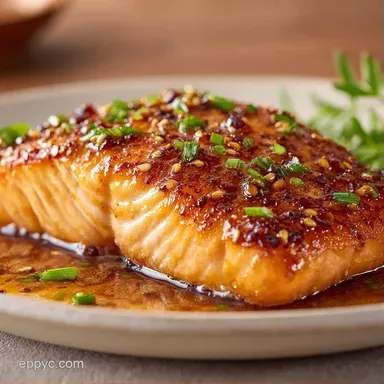
Crispy Skin Glazed Salmon: Honey-Glazed and Seared
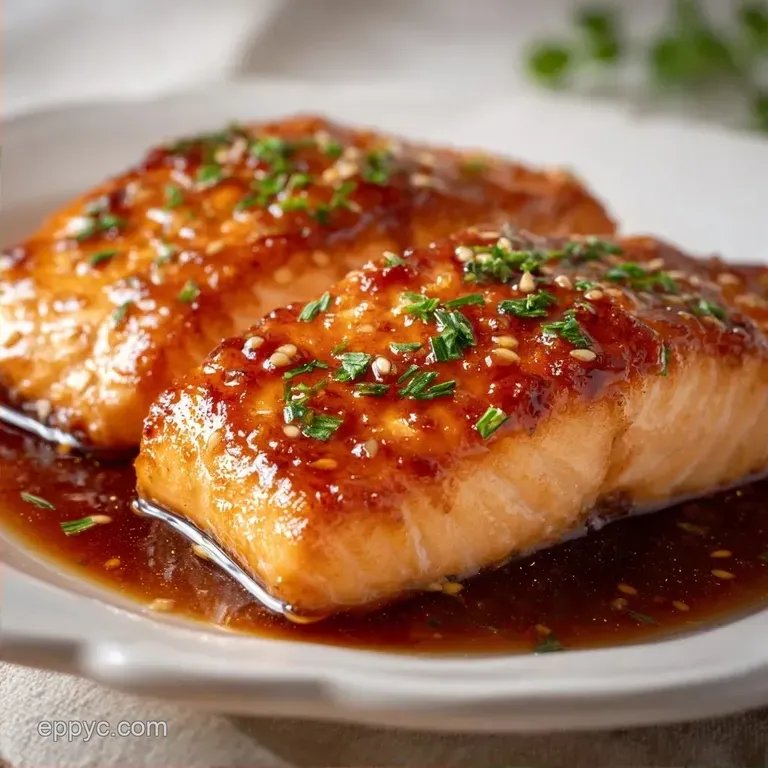
- Time: 12 min active + 10 min cooking
- Flavor/Texture Hook: Mahogany crisp skin with a sticky, ginger soy glaze
- Perfect for: A fast weeknight dinner that feels fancy
Ever wonder why restaurant salmon has that glass like skin while yours often feels like wet cardboard? I used to struggle with this every single time. I'd throw the fillets in the pan, hear a decent sizzle, but the moment I tried to flip them, the skin stayed behind, clinging to the metal like it was glued there.
It was frustrating, especially when the fish itself was overcooked and dry.
Then I realized the problem wasn't my pan or my heat, but the water. Even a tiny bit of moisture on the skin creates steam, and steam is the enemy of a crunch. Once I started treating the drying process as the most important part of the meal, everything changed.
Now, this Crispy Skin Glazed Salmon is my go to when I want something that tastes like a high end bistro but takes less than half an hour. You get that deep, savory contrast between the shatter crisp skin and the velvety, honey soy glaze that clings to the flesh.
Making the Best Crispy Skin Glazed Salmon
The secret is all in the timing of the glaze. If you put the honey and soy on too early, the sugars burn before the skin ever gets crisp. You have to sear the skin first, then add the liquid gold at the very end to baste the fish. It's a two stage process that ensures you don't sacrifice the texture for the flavor.
When you're cooking this, look for the color. You aren't looking for "golden brown," you're looking for mahogany. That deep, dark hue tells you the fat has fully rendered and the skin is practically a cracker. Trust me on this, don't flip too early. If the fish resists the spatula, it's not ready.
Since this recipe relies on high heat, a cast iron skillet is your best friend here. It holds the temperature steady so the pan doesn't cool down the second the cold fish hits the oil.
If you don't have one, any heavy bottomed non stick pan will do, but cast iron gives you that consistent sear that makes the Crispy Skin Glazed Salmon really stand out.
The Secret to the Crunch
Surface Dryness: Water turns to steam at 212°F, which prevents the skin from hitting the high temperatures needed for browning. Getting it bone dry ensures an immediate sear.
Fat Rendering: Salmon skin is full of natural oils. Heating them slowly but steadily melts that fat, essentially frying the skin in its own oil.
Sugar Timing: Honey and soy sauce contain sugars that burn quickly. Adding them only after the sear prevents the glaze from turning bitter and black.
Pressure Application: Salmon fillets tend to curl when they hit heat. Pressing them down keeps the entire surface in contact with the pan.
| Method | Cook Time | Texture | Best For |
|---|---|---|---|
| Stovetop | 10 minutes | Shatter crisp skin | Maximum crunch |
| Oven | 12-15 minutes | Tender, softer skin | Cooking large batches |
| Air Fryer | 8-10 minutes | Evenly crisp | Low mess cleanup |
Component Analysis
| Ingredient | Science Role | Pro Secret |
|---|---|---|
| Honey | Glaze Thickener | Use a runny honey for easier whisking |
| Soy Sauce | Salt & Umami | Use low sodium to control the saltiness |
| Lemon Juice | Acidity | Adds brightness to cut through the fatty fish |
| Ginger/Garlic | Aromatics | Grate them fine so they don't burn in the pan |
Shopping List
For the fish, grab four skin on fillets. Make sure they are roughly the same thickness so they finish cooking at the same time.
- 4 salmon fillets, skin on (approx. 6 oz / 170g each) Why this? Skin on is non negotiable for the texture.
- 1 tbsp neutral oil Why this? Avocado or grapeseed oil handles high heat without smoking.
- 1 tsp kosher salt Why this? Larger grains are easier to distribute evenly.
- ½ tsp cracked black pepper Why this? Coarse pepper adds a nice bite.
- ¼ cup honey Why this? Provides the sticky, glossy finish.
- 2 tbsp soy sauce Why this? Deep salty base that complements honey.
- 1 tbsp fresh lemon juice Why this? Balances the sweetness of the honey.
- 3 cloves garlic, minced Why this? Fresh garlic beats powdered every time.
- 1 tsp fresh ginger, grated Why this? Adds a zesty, authentic heat.
- ½ tsp sriracha Why this? A tiny kick to wake up the palate.
Substitution Options
| Original Ingredient | Substitute | Why It Works |
|---|---|---|
| Honey (1/4 cup) | Maple Syrup (1/4 cup) | Similar sugar content. Note: Gives a woodier, autumnal flavor |
| Soy Sauce (2 tbsp) | Tamari (2 tbsp) | gluten-free alternative. Note: Slightly richer, saltier taste |
| Sriracha (1/2 tsp) | Red Pepper Flakes (pinch) | Simple heat. Note: Lacks the vinegary tang of sriracha |
Right then, before we start, make sure your glaze is whisked together and sitting ready. There is nothing worse than scrambling for the lemon juice while your salmon is sizzling away and potentially overcooking.
Step by step Guide
Phase 1: The Prep
- Pat the salmon fillets completely dry using paper towels. Spend extra time on the skin side. Note: According to Serious Eats, removing surface moisture is the only way to avoid steaming the fish.
- Season the flesh side with salt and pepper. Leave the skin side alone for now so it stays dry.
Phase 2: The Sear
- Heat the neutral oil in a 12 inch cast iron or heavy bottomed non stick skillet over medium high heat until it shimmers.
- Place fillets skin side down. Immediately press down with a spatula for 30-60 seconds. Note: This stops the fish from curling up.
- Cook undisturbed for 5-7 minutes until the skin is mahogany colored and releases easily from the pan. You should hear a steady, crackling sizzle.
Phase 3: The Glaze
- Flip the fillets carefully.
- Immediately pour the whisked glaze (honey, soy sauce, lemon juice, garlic, ginger, and sriracha) into the pan around the fish.
- Cook for 2-3 minutes until the glaze bubbles and thickens into a syrup.
- Continuously baste the top of the salmon with a spoon. The smell of toasted garlic and ginger should be vivid now.
Chef's Note: Don't let the glaze boil dry. As soon as it coats the back of your spoon and the salmon reaches your preferred doneness, pull the pan off the heat.
Fixing Common Mishaps
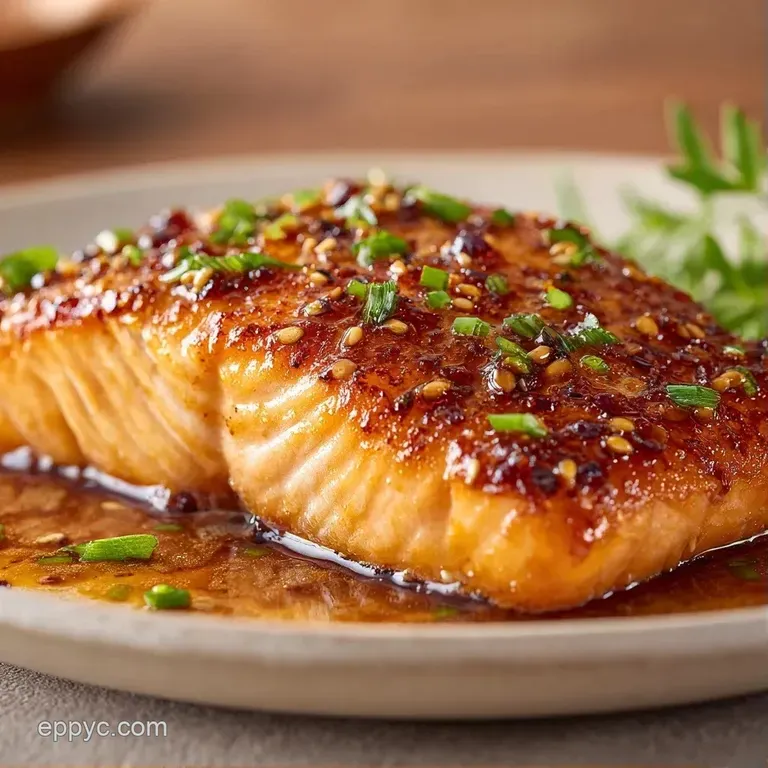
Cooking fish can be nerve wracking because it happens so fast. The biggest issue is usually the skin sticking. If the fish won't budge, it's usually because the pan wasn't hot enough or you flipped too soon. Let the proteins bond and release naturally.
Another common problem is the glaze burning. Because honey has a high sugar content, it can go from "sticky" to "burnt" in about 30 seconds. Keep the fish moving and the glaze bubbling.
Skin Sticking to the Pan
If the skin is tearing, your pan likely cooled down too much. Wait for the oil to shimmer before adding the fish.
Glaze Burning Too Quickly
If the sauce turns black, your heat is too high. Lower the flame slightly once the glaze hits the pan.
Overcooked Salmon
If the fish feels firm like a steak, it's overdone. It should have a slight "give" when pressed.
| Problem | Root Cause | Solution |
|---|---|---|
| Soggy Skin | Too much moisture | Pat dry with more paper towels |
| Bitter Glaze | Sugar burned | Lower heat during the basting phase |
| Uneven Cook | Fillets different sizes | Buy uniform 6oz cuts |
Common Mistakes Checklist
- ✓ Did I pat the skin bone dry?
- ✓ Is the oil shimmering before the fish goes in?
- ✓ Did I press the fillets down for the first minute?
- ✓ Is the glaze added only after the flip?
- ✓ Did I avoid moving the fish during the first 5 minutes?
Adjusting the Portion Size
If you're just cooking for one or two, use a smaller skillet. In a huge pan, the glaze will spread too thin and evaporate before it can coat the fish. Reduce your cooking time by about 20% if the fillets are thinner than 1 inch.
For a crowd (8+ fillets), don't crowd the pan. If you put too many fillets in at once, the pan temperature drops, and you'll end up with steamed fish instead of crispy skin. Work in batches. For the glaze, you can double the recipe, but only increase the salt and sriracha by 1.5x to keep the flavors balanced.
If you're baking this in the oven for a group, lower the temp to 375°F (190°C) and extend the time. You won't get the same shatter crisp skin as the stovetop, but it's much easier for large groups.
| Portion | Pan Size | Heat Adjustment | Batching |
|---|---|---|---|
| 1-2 Fillets | 8 inch | Standard | Single batch |
| 4 Fillets | 12 inch | Standard | Single batch |
| 8+ Fillets | 12 inch | Medium High | 2-3 separate batches |
Fish Cooking Truths
You might have heard that searing salmon "seals in the juices." This is a total myth. Searing creates a crust for flavor and texture, but moisture loss happens regardless of how you start the cook. The "seal" is just a tasty brown layer.
Some people think you should cook salmon on high heat the entire time. That's a recipe for burnt skin and raw centers. The medium high setting allows the fat to render out of the skin without incinerating the outside before the heat reaches the middle.
Storage and Waste
Cooked Crispy Skin Glazed Salmon stays good in the fridge for about 3 days in an airtight container. Note that the skin will lose its crunch in the fridge as it absorbs moisture from the fish.
I don't recommend freezing cooked salmon, as the texture becomes mealy. However, you can freeze raw fillets. Just make sure they are completely thawed and patted dry before they hit the pan.
For zero waste, don't toss the salmon scraps or the leftover glaze in the pan. If you have a bit of glaze left, it's amazing drizzled over steamed bok choy or roasted carrots. If you have skin scraps, fry them up separately as "fish chips" for a salty snack.
Perfect Pairing Ideas
This dish is quite rich and sweet, so you need something to cut through that. A fresh, acidic side is best. I love serving this with a bright cucumber salad or steamed asparagus with a squeeze of lime.
If you want something heartier, this pairs perfectly with my Twice Baked Potatoes recipe, which adds a creamy, salty contrast to the sticky glaze.
For a lighter, more Italian inspired vibe, you could serve the salmon alongside some Creamy Lemon Pasta. The lemon in the pasta mirrors the lemon in the glaze, tying the whole plate together.
According to USDA FoodData, salmon is packed with omega-3s, so keeping the sides light and veggie forward keeps the meal balanced. Just remember to keep the skin side up when plating so that crunch stays intact until the first bite!
High in Sodium
810 mg 810 mg of sodium per serving (35% 35% of daily value)
The American Heart Association recommends a daily sodium limit of 2,300 mg, and ideally 1,500 mg for most adults to reduce cardiovascular risk.
Tips to Reduce Sodium
-
Reduce Kosher Salt-25%
Cut the kosher salt in half or omit it entirely; the soy sauce already provides a significant amount of salt for the salmon.
-
Swap Soy Sauce-20%
Replace regular soy sauce with low-sodium soy sauce or coconut aminos to significantly lower the sodium load in the glaze.
-
Sriracha Alternative-10%
Substitute sriracha with fresh chili flakes or a pinch of cayenne pepper to keep the heat without the processed sodium.
-
Increase Acidity-10%
Add an extra tablespoon of fresh lemon juice; the acidity mimics the 'bite' of salt and enhances the overall flavor profile.
-
Amplify Aromatics
Increase the amount of fresh ginger and garlic to add more depth and punch to the dish without adding any sodium.
Recipe FAQs
How to get the skin perfectly crispy?
Pat the fillets completely dry with paper towels. Place them skin side down in shimmering oil and press firmly for 30 60 seconds to ensure full contact with the pan.
Should I glaze salmon before or after cooking?
Glaze after the skin is crispy and you have flipped the fish. Adding the honey and soy sauce too early will cause the sugars to burn before the skin reaches a mahogany color.
How to prevent the salmon skin from curling in the pan?
Press down firmly with a spatula immediately after adding the fillets. This holds the skin flat against the heat and ensures a uniform, golden brown sear.
Is it true that I need to sear the flesh side first for a better crust?
No, this is a common misconception. Start with the skin side down for 5 7 minutes to build a crispy base, which protects the delicate flesh from overcooking.
What should I do if the glaze burns too quickly in the pan?
Lower the heat immediately. This prevents the honey and soy sauce from scorching while you baste the fillets during the final 2 3 minutes.
How to store leftovers without losing quality?
Store in an airtight container in the fridge for up to 3 days. Note that the skin will lose its crunch as it absorbs moisture from the fish during refrigeration.
What is a great side dish for this glazed salmon?
Serve it alongside a creamy grain or steamed greens. If you enjoyed the flavor balance here, the same rich profile works beautifully in a Sicilian salmon risotto.
Crispy Skin Glazed Salmon