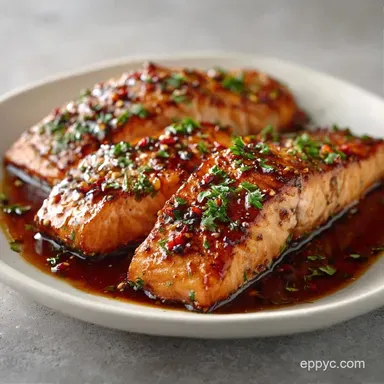
Soy Sauce Glazed Salmon: Foolproof and Sticky
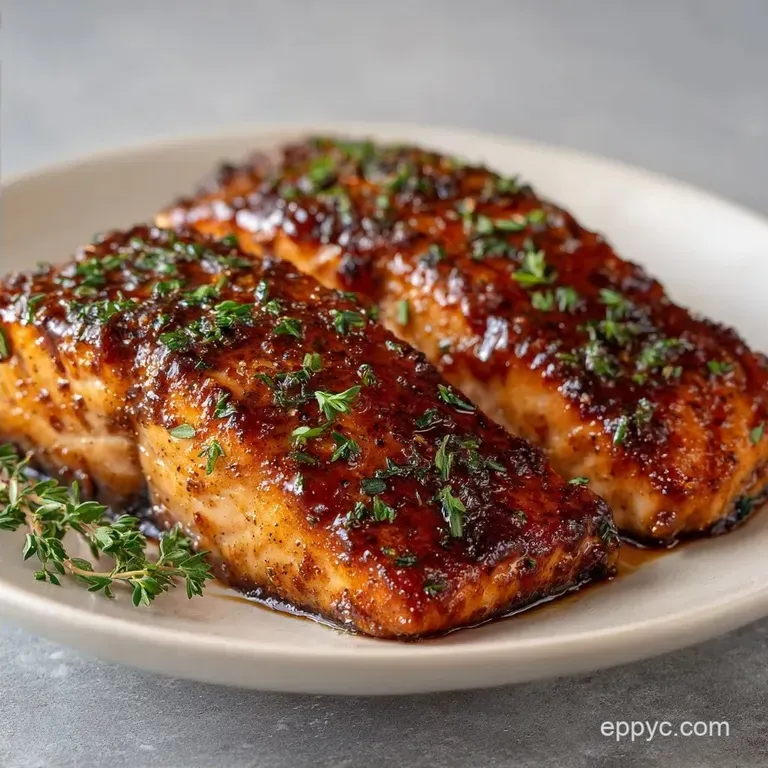
- Time: 10 min active + 10 min cooking
- Flavor/Texture Hook: Sticky, charred exterior with a velvety, buttery center
- Perfect for: A fast weeknight dinner that feels like a treat
Soy Sauce Glazed Salmon
That sharp, salty sizzle when the cold salmon hits the hot oil is the best part. I remember the first time I tried making this, I just poured the sauce over the raw fish and threw it in the pan. It was a disaster. The honey burned instantly, turning into a bitter, black mess before the salmon even got warm.
I spent ten minutes scraping the pan, wondering why my "easy" dinner looked like a charcoal briquette.
But then I figured out the trick. You have to treat the glaze like a syrup, reducing it separately until it's thick and glossy. Once you get that lacquer right, the contrast is wild. You get this shatter crisp, caramelized exterior that gives way to a rich, flaky center.
It's that specific tension between the salty soy and the bright lemon that makes this a staple in my house.
This is a recipe about balance. We're playing with the richness of the omega-3s in the salmon against the pungent heat of fresh ginger. It's comforting, vivid, and honestly, way easier than it looks once you stop rushing the sauce.
The Magic of Sweet and Savory
I used to think the glaze just "stuck" because of the honey, but it's actually a bit more interesting. When we simmer the soy and honey, we're evaporating the water and concentrating the sugars. This creates a viscous liquid that doesn't just run off the fish but actually bonds to the protein as it heats up.
Here is the breakdown of why this specific method works:
- Sugar Concentration: Boiling the glaze reduces water content, making the sauce thick enough to coat the salmon without sliding off.
- Surface Dehydration: Patting the fish bone dry removes surface moisture, which allows the oil to sizzle immediately and create a crust.
- Controlled Carryover: Finishing the fish in the oven ensures the center reaches a buttery consistency without the outside burning.
- Acid Balance: The lemon juice cuts through the heavy fat of the salmon, preventing the dish from feeling too "weighty" on the tongue.
Since we're dealing with a delicate protein, the method you choose changes the result.
| Method | Time | Texture | Best For |
|---|---|---|---|
| Stovetop | 10 mins | More charred, stickier | Intense flavor, fast cook |
| Oven | 15 mins | More even, tender | Larger batches, less mess |
| Air Fryer | 12 mins | Crispy edges, leaner | Single servings, health focus |
Breaking Down the Flavor Base
I've learned that the quality of your soy sauce really changes the vibe here. A light soy is saltier and thinner, while a dark soy gives you that deep, mahogany color we're after. Trust me, don't use the "low sodium" version unless you're prepared to add an extra pinch of salt to the fillets.
| Ingredient | Science Role | Pro Secret |
|---|---|---|
| Honey | Thickening agent | Use a mild clover honey to avoid overpowering the ginger |
| Fresh Ginger | Aromatic punch | Grate it on a microplane for a velvety texture without chunks |
| Lemon Juice | pH Balancer | Add it to the glaze, not the fish, to avoid "cooking" the protein early |
| Sesame Oil | Depth provider | Stir this in at the very end to keep its nutty aroma intact |
Tools for a Better Sear
You don't need a professional kitchen, but a few specific tools make a huge difference. If you use a non stick pan, you'll get a decent cook, but you won't get that deep, mahogany crust.
I prefer a cast iron or stainless steel skillet because they hold heat better, ensuring the salmon doesn't just "steam" in its own juices.
I also highly recommend a silicone brush for the glaze. Using a spoon can sometimes tear the delicate crust you just worked so hard to build. A brush lets you layer the sauce on without disturbing the sear. If you're doing a bigger batch, a baking sheet with parchment paper is a lifesaver for cleanup.
Step-by-step Cooking Guide
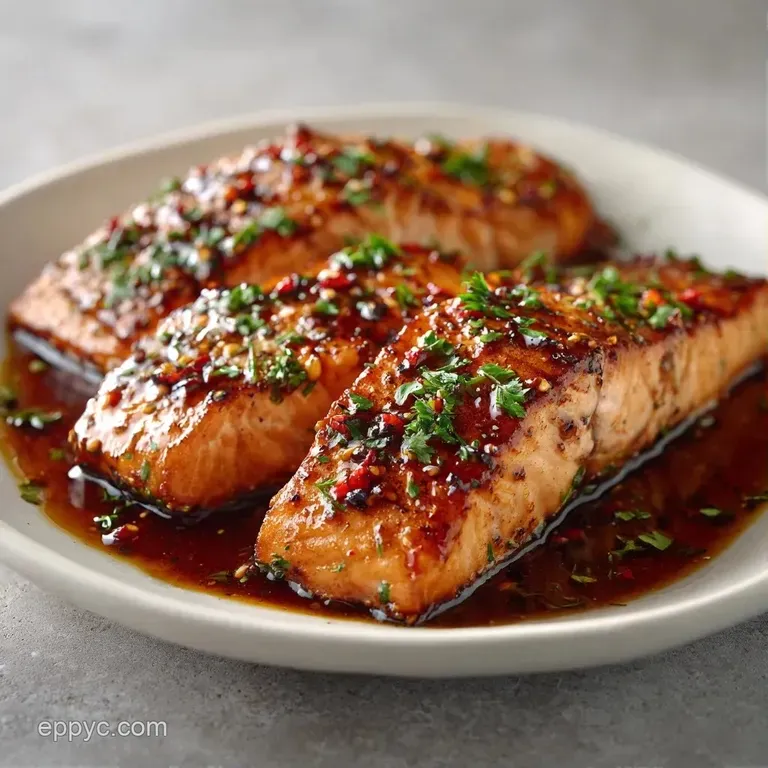
Let's get into the actual process. Remember, the goal is a sticky exterior and a tender interior.
1. Preparing the Glaze
Combine the soy sauce, honey, lemon juice, ginger, and garlic in a small saucepan over medium heat. Whisk constantly for 3-5 minutes until the mixture bubbles and reduces into a thick, syrupy consistency. Stir in the sesame oil at the very end and remove from heat.
Note: If you over reduce it, it will turn into candy; stop when it coats the back of a spoon.
2. Prepping the Protein
Pat the four 6 oz salmon fillets completely dry with paper towels. This is non negotiable. Season them with sea salt and black pepper.
3. The Initial Sear
Heat 1 tbsp neutral oil in an oven safe skillet over medium high heat until the oil is shimmering. Place the salmon skin side up. Sear for 3-4 minutes until a golden brown crust forms.
4. Adding the Flavor
Flip the fillets carefully. Generously brush the top of each piece with your reduced soy glaze.
5. The Final Finish
Transfer the skillet to a 400°F (200°C) oven for 4-6 minutes. Alternatively, stay on the stovetop and spoon the glaze over the fish every minute until it's sticky and the salmon flakes easily with a fork.
Avoiding Common Salmon Mistakes
One of the biggest frustrations for home cooks is seeing that weird white stuff leaking out of the salmon. According to Serious Eats, this is called albumin, a protein that pushes out when the muscle fibers contract too quickly from high heat. It's harmless, but it doesn't look great. To minimize it, don't overcook your fish.
Why Your Salmon is Dry
Usually, this is a timing issue. Salmon continues to cook after you take it off the heat. If you wait until it's "perfect" in the pan, it'll be overdone by the time it hits the plate. Pull it when the center is still slightly translucent.
Why Your Glaze is Bitter
This happens when the honey burns. If you're cooking on the stovetop, keep the heat at medium. If the sauce starts to smoke, add a teaspoon of water to bring the temperature down immediately.
| Problem | Root Cause | Solution |
|---|---|---|
| Sticky pan | Honey burnt on surface | Use a stainless steel pan and medium heat |
| Fish sticking | Pan wasn't hot enough | Wait for oil to shimmer before adding fish |
| Glaze too thin | Not reduced enough | Simmer for another 2 minutes before brushing |
Common Mistakes Checklist:
- ✓ Did you pat the salmon completely dry?
- ✓ Is the glaze thick like syrup, not watery?
- ✓ Did you avoid overcrowding the pan?
- ✓ Did you pull the fish while the center was still slightly under?
Different Ways to Glaze
If you want to tweak the flavor profile, you can easily swap the sweetener. For a more earthy, autumn vibe, try a Maple Soy Sauce Glazed Salmon by replacing the honey with pure maple syrup. It adds a woody depth that pairs beautifully with the ginger.
If you're craving something with a kick, you can stir a teaspoon of sriracha or red pepper flakes into the glaze. For an even more intense heat, you could drizzle some homemade hot honey over the finished fillets just before serving.
For those who prefer a lighter approach, an Air Fryer Soy Sauce Glazed Salmon is a great option. Just brush the fish, air fry at 400°F for about 8-10 minutes, and baste halfway through. It gives you a similar result with less oil.
Keeping Leftovers Fresh
Salmon is one of those proteins that can go from great to "meh" very quickly if you overheat it during reheating.
Storage: Store leftover fillets in an airtight container in the fridge for up to 3 days. I don't recommend freezing this specific dish because the glaze can separate and the texture of the fish often becomes mushy.
Reheating: Avoid the microwave if you can. Instead, place the salmon in a pan over low heat with a splash of water or a tiny bit of butter. Cover it with a lid for 2-3 minutes. This steams the fish back to life without drying out the fibers.
Zero Waste: Don't toss the leftover glaze in the pan. Scrape it out and use it as a marinade for tofu or drizzle it over steamed bok choy. If you have salmon skin scraps, fry them separately in a little oil until they shatter, then use them as a salty garnish for a salad.
What to Serve on the Side
This dish is quite rich and salty, so you need sides that provide a fresh contrast. A bright, acidic vegetable or a neutral starch is the way to go.
- The Starch Base: Steamed jasmine rice or quinoa are the classics. If you want something more interesting, try coconut rice to lean into the tropical notes.
- The Fresh Balance: Sautéed snap peas, steamed broccoli, or a crisp Asian style noodle salad work perfectly to cut through the richness.
- The Garnish: Never skip the fresh elements. A sprinkle of toasted sesame seeds, sliced scallions, and a wedge of fresh lime make the colors pop and the flavors sing.
Very High in Sodium
1240 mg 1240 mg of sodium per serving (54% 54% of daily value)
The American Heart Association recommends a daily sodium limit of no more than 2,300 mg to reduce the risk of hypertension and heart disease.
Tips to Reduce Sodium
-
Swap the Soy Sauce-30%
Replace regular soy sauce with low-sodium soy sauce or coconut aminos to significantly lower the salt content of the glaze.
-
Eliminate Added Salt-25%
Remove the 1/2 tsp of sea salt entirely; the soy sauce already provides enough salinity for the salmon fillets.
-
Increase Citrus Acidity-10%
Double the fresh lemon juice to provide a sharp, bright flavor that tricks the palate into needing less salt.
-
Boost Fresh Aromatics
Increase the amount of fresh ginger and minced garlic to add depth and punchy flavor without adding any milligrams of sodium.
Recipe FAQs
Do you put soy sauce on salmon before or after cooking?
After searing. Brushing the glaze on later prevents the honey and soy sauce from burning during the initial high heat sear.
How do I ensure the salmon skin gets crispy rather than soggy?
Pat the fillets completely dry with paper towels before seasoning. Sear in shimmering oil to create a crisp texture.
What happens if I add the soy sauce glaze too early?
The sugars will scorch. Adding the glaze before searing creates a bitter, burnt crust instead of a glossy, sticky finish.
What is the ideal internal temperature to remove the salmon from the heat?
135°F to 140°F (57-60°C). The temperature will continue to rise slightly during resting, ensuring the fish remains tender.
Must I use low sodium soy sauce for this glaze?
No, but it is recommended. Standard soy sauce works, but low sodium prevents the glaze from becoming overly salty as it reduces.
How to reheat leftover soy glazed salmon?
Heat gently in the oven at 275°F (135°C). This method warms the fish through without overcooking the center.
What is a good glaze to put on salmon?
A reduction of soy sauce, honey, and lemon juice. If you loved this salty sweet balance, see how we use a similar profile in our brown sugar chicken.
Soy Sauce Glazed Salmon