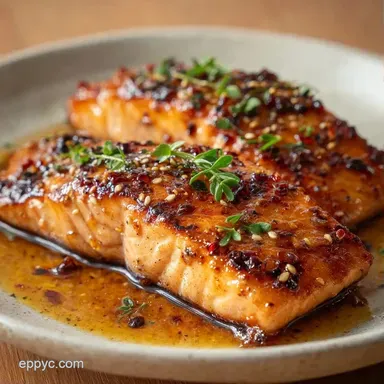
Spicy Soy Salmon Glaze: Crispy and Umami
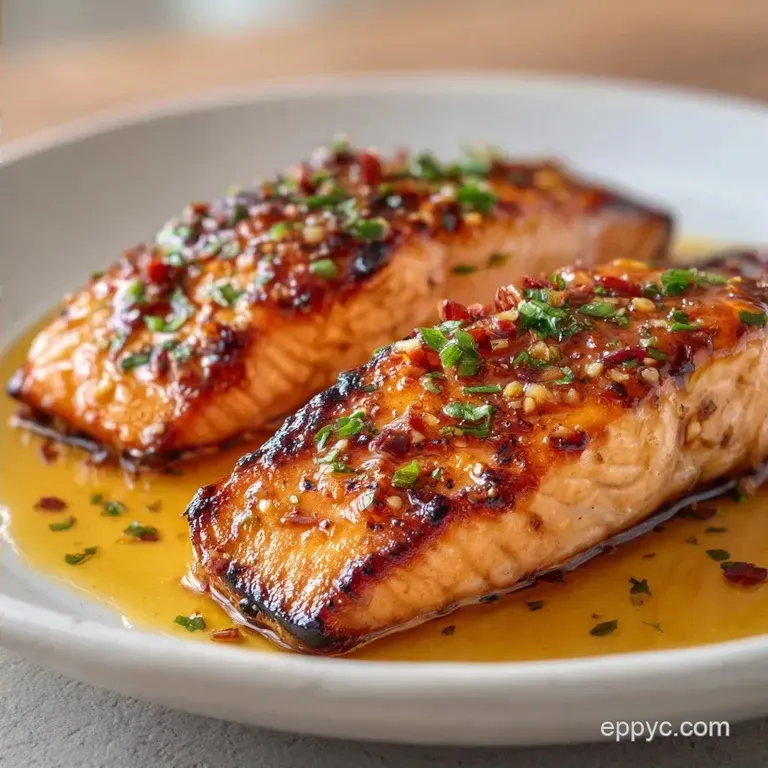
- Time: 5 min active + 15 min cooking
- Flavor/Texture Hook: Shatter crisp skin with a velvety, umami rich coating
- Perfect for: A high impact weeknight dinner that feels like a treat
Better Spicy Soy Salmon Glaze
That sharp, pungent hit of fresh ginger hitting shimmering oil is the moment I know dinner is going to be a win. There's something about the way the soy sauce bubbles and thickens into a dark, glossy lacquer that makes the whole kitchen smell like a high end Tokyo eatery.
I remember the first time I tried this; I was convinced I had to soak the fish for half a day to get the flavor deep inside, but all that did was cure the salmon into something resembling a salty cracker.
Forget the idea that you need a long soak for deep flavor. The truth is, marinating salmon for too long actually breaks down the protein fibers and ruins the texture, leaving you with something mushy.
By using a concentrated glaze applied during the final stage of cooking, you keep the fish flaky and moist while locking in a punchy, concentrated flavor on the outside.
You can expect a dish that balances the heat of Sriracha with the mellow sweetness of honey. The Spicy Soy Salmon Glaze isn't just a sauce; it's a coating that caramelizes under the heat, creating a sticky crust that clings to the fish.
It's a fast process, but the result is a vivid, comforting meal that tastes like you spent way more time on it than you actually did.
The Secret to Success
- Sugar Caramelization: The honey and soy sauce react to the high oven heat, transforming from a liquid into a thick, sticky syrup.
- Surface Contact: Pressing the fish down ensures the skin doesn't curl, allowing the heat to create a uniform, crispy layer.
- Acid Balance: Lemon juice cuts through the heavy fat of the salmon and the salt of the soy, brightening the overall profile.
- Thermal Carryover: Pulling the fish slightly before it's "done" lets the internal temp rise, preventing that chalky white protein (albumin) from leaking out.
| Method | Time | Texture | Best For |
|---|---|---|---|
| Fast Sear | 20 mins | Crispy skin, glossy top | Weeknights |
| Classic Bake | 35 mins | Uniformly tender | Meal prep |
| Slow Roast | 50 mins | Buttery, soft | Special dinner |
The Building Blocks
| Ingredient | Science Role | Pro Secret |
|---|---|---|
| Honey | Thickener/Sweetener | Use a light clover honey to avoid overpowering the ginger |
| Soy Sauce | Umami/Salt | Low sodium allows you to control the saltiness better |
| Sriracha | Heat/Acidity | Adds a vinegary kick that activates the taste buds |
| Fresh Ginger | Aromatic | Grate it finely so you don't get woody chunks in the glaze |
Equipment Needed
I honestly don't think you need a fancy setup for this, but one specific tool is non negotiable. You need an oven safe skillet, like a cast iron or a stainless steel pan. If you use a non stick pan that can't go in the oven, you'll have to transfer the fish to a baking sheet, which ruins the sauce reduction and risks breaking the fillets.
A small whisk is also a lifesaver here. Since the honey is thick, you want to make sure it's fully integrated with the soy and Sriracha before it hits the pan. If you don't have one, a fork works, but you'll spend more time scrubbing the honey out of the tines. Finally, keep a stack of paper towels handy.
Moisture is the enemy of the sizzle.
The Cooking Process
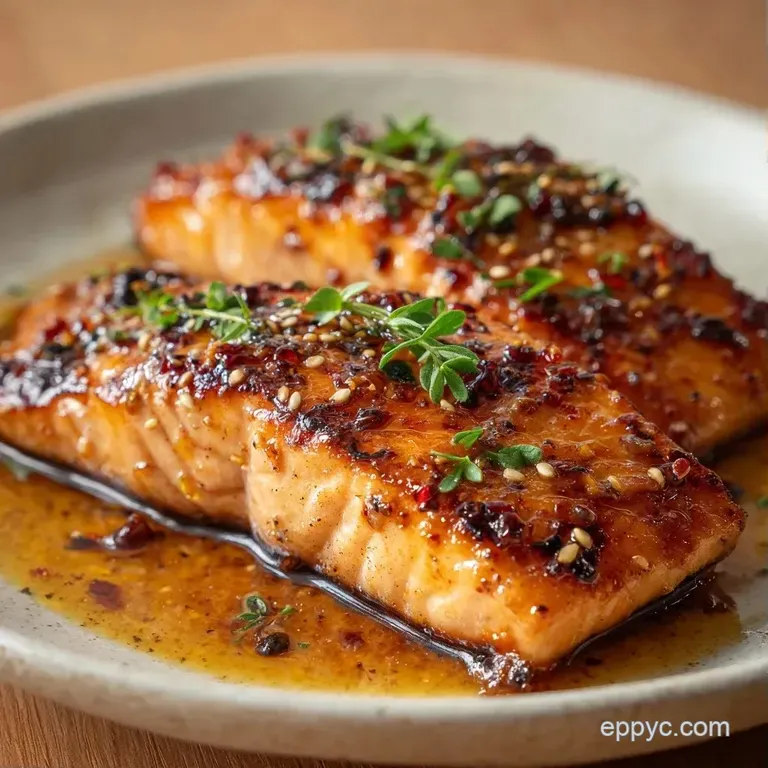
For the Salmon
- 2 salmon fillets (6 oz each)
- 1/2 tsp salt Why this? Enhances natural fish flavors
- 1/4 tsp black pepper Why this? Adds a subtle woody heat
- 1 tbsp neutral oil Why this? High smoke point avoids burning
For the Sweet and Spicy Soy Salmon Glaze
- 3 tbsp soy sauce Why this? The salty, umami base
- 2 tbsp honey Why this? For that sticky, lacquer finish
- 1 tbsp Sriracha Why this? Adds heat and depth
- 1 tbsp fresh lemon juice Why this? Cuts through the richness
- 1 tsp fresh ginger, grated Why this? Fresh, zingy aroma
- 2 cloves garlic, minced Why this? Pungent, savory backbone
- 1/2 tsp red pepper flakes Why this? Adds a slow burn heat
Substitution Options
| Original Ingredient | Substitute | Why It Works |
|---|---|---|
| Honey (2 tbsp) | Maple Syrup (2 tbsp) | Similar viscosity. Note: Adds a distinct woody, autumnal flavor |
| Sriracha (1 tbsp) | Chili Garlic Sauce (1 tbsp) | Similar heat profile. Note: Texture is chunkier, less smooth |
| Soy Sauce (3 tbsp) | Tamari (3 tbsp) | gluten-free alternative. Note: Slightly richer, saltier taste |
| Fresh Ginger (1 tsp) | Ground Ginger (1/4 tsp) | Similar flavor. Note: Lacks the bright, citrusy punch of fresh |
Phase 1: The Prep & Dry
Pat the salmon fillets completely dry with paper towels. This is the most important step. If the fish is damp, it will steam instead of sear, and you'll never get that mahogany color. Season both sides with salt and pepper.
Phase 2: The Flash Sear
Heat neutral oil in your oven safe skillet over medium high heat until it shimmers. Place salmon skin side down. Press firmly with a spatula for 10 seconds. Sear for 3-4 minutes until the skin is crispy and mahogany colored. You should hear a consistent, aggressive sizzle here.
Phase 3: The Glaze & Bake
While the fish sears, whisk together the soy sauce, honey, Sriracha, lemon juice, ginger, garlic, and red pepper flakes in a bowl. Flip the fillets. Immediately pour the Spicy Soy Salmon Glaze into the pan, and brush the tops of the fish with any remaining glaze.
Transfer the skillet to a preheated 400°F (200°C) oven. Bake for 5-8 minutes until the sauce reduces into a thick syrup. The aroma should shift from raw garlic to a toasted, caramelized scent.
Pro Tips & Pitfalls
Chef's Note: If you want an even more intense crust, try adding a tiny pinch of baking soda to the salt you use for seasoning. It raises the pH of the skin, which helps it brown faster and shatter when you bite into it.
One thing I've learned the hard way is that honey can burn if it hits a dry, white hot pan. That's why we flip the fish first. The salmon acts as a buffer between the pan and the sugar, allowing the glaze to bubble and thicken without turning bitter. According to Serious Eats, ensuring a dry surface is the primary key to a successful sear, as water absorbs the energy that should be browning the protein.
Avoiding Burnt Sugar
If you notice the sauce darkening too quickly in the oven, slide a piece of foil over the pan. This traps the heat but prevents the top layer of the glaze from scorching.
Stopping the Overcooked Middle
Salmon continues to cook after it leaves the oven. Use a meat thermometer to pull the fish at 130°F (54°C) for a medium finish. The carryover heat will bring it to the ideal temperature while it rests.
The Stick Factor
If the fillets are sticking to the pan, don't force them. Give them another 30 seconds. The fish will naturally release from the pan once the sear is fully developed.
| Problem | Root Cause | Solution |
|---|---|---|
| Glaze is too thin | Not enough oven time | Bake 2 more mins or reduce sauce separately |
| Skin is soggy | Fish was too wet | Pat dry with one more paper towel next time |
| Bitter taste | Honey burnt in pan | Lower heat slightly before adding glaze |
Common Mistakes Checklist
- ✓ Did you pat the skin bone dry?
- ✓ Did you press the fillet down upon contact?
- ✓ Is the oven preheated to exactly 400°F (200°C)?
- ✓ Did you flip the fish before pouring the glaze?
- ✓ Did you let the fish rest for 3 minutes before serving?
Adjusting Your Batch
If you're cooking for just yourself, you can easily halve this. Use a smaller 8 inch skillet so the glaze doesn't spread too thin and evaporate instantly. Reduce the oven time by about 20%, as a single fillet often cooks faster than two.
When scaling up for a crowd, don't just double the garlic and red pepper flakes. I find that those flavors intensify when cooked in bulk. Increase them by only 1.5x. Most importantly, work in batches.
If you crowd the pan with four or five fillets, the temperature will drop, the oil will splatter, and you'll end up with poached fish instead of seared fish.
Flavor Myths
Myth: You must marinate salmon to make it flavorful. As I mentioned, marinating for hours often ruins the texture. A high concentration glaze applied at the end provides more impact and keeps the fish tender.
Myth: Searing "seals in" the juices. Searing is about flavor, not moisture. You aren't creating a waterproof barrier; you're creating a crust. Moisture loss happens regardless, so the real goal is not overcooking the center.
Storage Guidelines
Store any leftover salmon in an airtight container in the fridge for up to 2 days. To reheat, avoid the microwave it'll turn the fish rubbery. Instead, place it in a pan over low heat with a teaspoon of water or butter to loosen the glaze.
For zero waste, don't toss the ginger peels or the garlic ends. I keep them in a freezer bag and throw them into my next pot of vegetable stock. If you have leftover glaze in the pan, pour some hot water into it, scrape up the brown bits, and use it as a sauce for steamed bok choy.
Serving Suggestions
This dish is a powerhouse of flavor, so it needs sides that provide a bit of balance. I usually serve it over a bed of steamed jasmine rice to soak up the extra glaze. If you're looking for a similar flavor profile in another meal, my Hot Honey Recipe uses a similar sweet heat balance that works great on roasted carrots.
For a fresher touch, try a side of smashed cucumbers with rice vinegar and sesame oil. The coolness of the cucumbers offsets the heat of the Sriracha. If you want a more substantial meal, some sautéed spinach or charred broccoli is the way to go.
The richness of the Spicy Soy Salmon Glaze pairs beautifully with the slightly bitter notes of dark leafy greens.
Recipe FAQs
What is the best way to get crispy salmon skin with this glaze?
Press firmly for 10 seconds after placing the fillets skin side down. This ensures maximum contact with the shimmering oil for a mahogany colored, crispy finish.
Is this a good easy salmon recipe for beginners?
Yes, it is highly accessible. With only 5 minutes of prep, it is a perfect weeknight meal. If you enjoyed the simplicity of this method, you'll love our cheddar dip for a quick appetizer.
How to make the spicy soy glaze reduce properly?
Transfer the skillet to a preheated 400°F (200°C) oven. Bake for 5-8 minutes until the soy and honey mixture thickens into a heavy syrup.
Do I need to marinate the salmon overnight for the best flavor?
No, this is a common misconception. This recipe uses a quick glaze added during the flip, which prevents the acid from breaking down the fish texture.
What is the best temperature for roasting this salmon?
Use 400°F (200°C). This temperature reduces the glaze quickly without overcooking the center of the fillets.
Can I make this as a lemon free recipe?
No, this recipe requires lemon juice for balance. The acidity is essential to cut through the richness of the honey and soy sauce.
How to store and reheat leftover glazed salmon?
Store in an airtight container in the fridge for up to 2 days. Reheat in a pan over low heat with a teaspoon of water to loosen the glaze and prevent rubbery fish.
Spicy Soy Salmon Glaze