Cottage Cheese Pancakes: Silky and Crisp
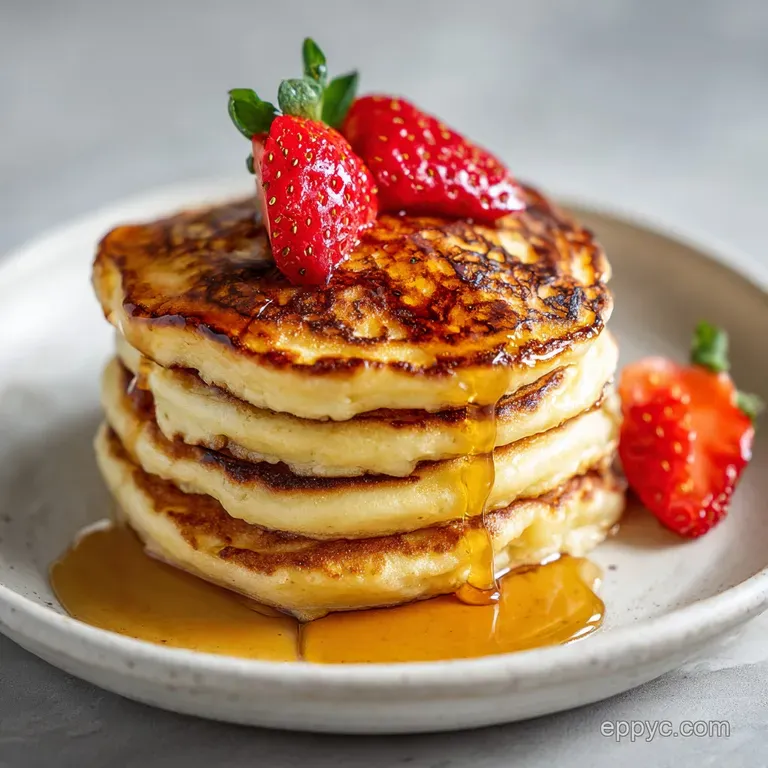
- Time: Active 10 mins, Passive 15 mins, Total 25 mins
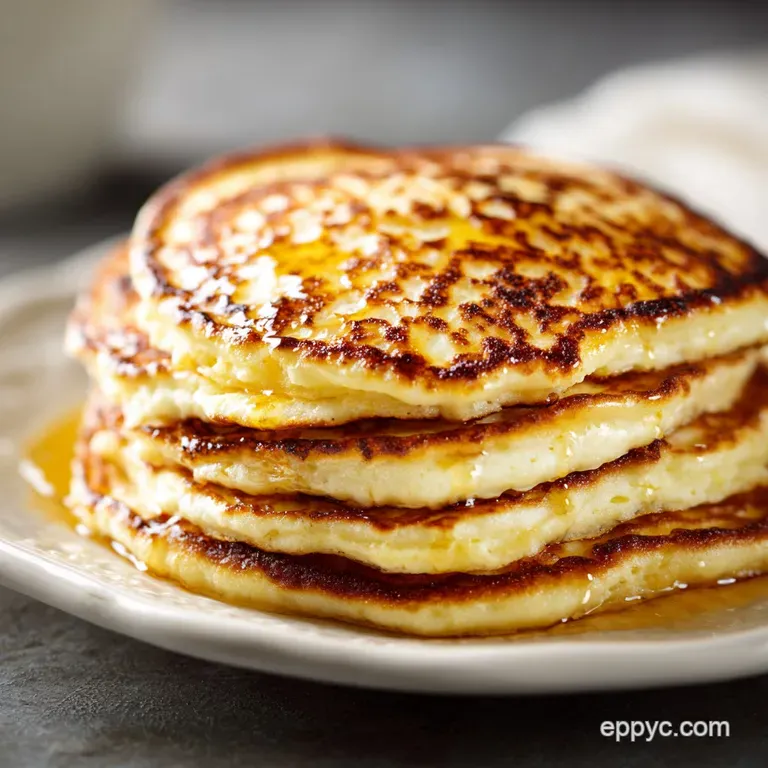
- Flavor/Texture Hook: Silky, custard like interior with a golden, nutty crust
- Perfect for: Post workout fuel or a lazy, high protein brunch
- Whisking Up Fluffy Cottage Cheese Pancakes
- The Architecture of the Crumb
- Analyzing the Primary Components
- Essential Pantry Ingredients
- Minimal Tools for Efficiency
- Execution of the Recipe
- Resolving Common Texture Issues
- Adjusting the Serving Size
- Exposing Traditional Kitchen Fallacies
- Inspired Recipe Variations
- Storage and Sustainability
- Ideal Side Dish Pairings
- Recipe FAQs
- 📝 Recipe Card
Whisking Up Fluffy Cottage Cheese Pancakes
The first time I tried making these, I didn't use a blender. I just stirred the curds into the flour and hoped for the best. Big mistake. I ended up with what I can only describe as "warm cheese blobs" in a flat pancake. It wasn't exactly the cozy, soulful breakfast I was dreaming of.
But once I realized the magic of emulsifying the eggs and cheese together, everything changed.
Now, whenever I hear that initial sizzle of butter hitting the cast iron, I know I'm minutes away from a stack that actually keeps me full until lunch. The aroma of toasted oats and cinnamon fills the kitchen, and it’s honestly one of those digital detox moments where I can just focus on the rhythmic flip of the spatula.
It's a heartfelt way to start a Tuesday or a Sunday.
You're going to love how these feel like a cheat meal but act like a nutritional powerhouse. We're talking 27.8g of protein per serving without touching a tub of chalky powder. It’s all about working with the ingredients you likely already have in the back of your fridge, empowered by a little bit of kitchen physics.
The Architecture of the Crumb
The Protein Lattice: Blending cottage cheese breaks down casein proteins, allowing them to form a cohesive network with the eggs that traps air bubbles.
Oat Hydration: Rolled oats act like tiny sponges, absorbing the liquid from the eggs and cheese to create a sturdy, "flaky" structure without gluten.
The Maillard Reaction: The residual sugars in the dairy react with heat to create a deeply toasted, golden brown exterior that provides a necessary "shatter" against the soft middle.
| Cooking Method | Total Time | Texture Outcome | Best For |
|---|---|---|---|
| Non stick Skillet | 15 mins | Evenly golden and soft | Consistent results |
| Cast Iron Skillet | 18 mins | Crispy, lacquered edges | Texture enthusiasts |
| Electric Griddle | 12 mins | Uniformly flat and airy | Feeding a crowd |
Giving the batter a brief rest after blending is the secret to a pancake that doesn't fall apart. This pause allows the oat starches to fully hydrate, turning a thin liquid into a scoopable, stable batter.
Analyzing the Primary Components
| Component | Science Role | Pro Secret |
|---|---|---|
| Cottage Cheese | Provides structure and moisture | Use small curd for easier emulsification |
| Large Eggs | Acts as the primary binder | Room temp eggs blend more smoothly |
| Rolled Oats | Provides complex carbohydrates | Toast them for 3 mins first for nuttiness |
| Baking Powder | Creates the chemical leavening | Ensure it's fresh for maximum "poof" |
Using a digital scale to measure your 90g of oats is a game changer for consistency. Volume measurements for oats can vary wildly depending on how settled they are in the cup, which leads to either a runny mess or a dry puck.
Essential Pantry Ingredients
- 1 cup (225g) cottage cheese: The heart of the dish. Why this? Provides the creamy, custard like base and high protein content.
- Substitute: Ricotta cheese (adds a lighter, more delicate citrus note).
- 3 large eggs: Our structural glue. Why this? Emulsifies the fats and liquids into a cohesive batter.
- Substitute: Flax eggs (will result in a much denser, nuttier pancake).
- 1 cup (90g) old-fashioned rolled oats: The gluten-free flour replacement. Why this? Adds fiber and a chewy, satisfying bite.
- Substitute: If you prefer a different grain, try the technique in my How to Make recipe for a similar fluffy vibe.
- 1 tsp baking powder: Our lift. Why this? Reacts with the acidity in the cheese to create bubbles.
- Substitute: 1/4 tsp baking soda plus 1/2 tsp lemon juice.
- 1/2 tsp ground cinnamon: The warmth. Why this? Bridges the gap between the savory cheese and sweet toppings.
- Substitute: Ground cardamom or nutmeg for a more floral, Scandinavian profile.
- 1 tsp pure vanilla extract: Depth of flavor. Why this? Makes the pancakes taste like a high end dessert.
- Substitute: Almond extract (use only 1/4 tsp as it is very strong).
- 1 pinch kosher salt: Flavor enhancer. Why this? Cuts through the richness and makes the vanilla pop.
- Substitute: Sea salt or pink Himalayan salt.
- 1.5 tbsp unsalted butter: For the pan. Why this? Provides the best flavor and a crispy, browned exterior.
- Substitute: Ghee or coconut oil for a higher smoke point.
Chef's Tip: Freeze your butter for 10 minutes before adding it to the pan. Cold butter hits the heat and creates steam immediately, which helps the edges of the pancake "shatter" rather than just soaking up the fat.
Minimal Tools for Efficiency
You don't need a professional kitchen to pull this off, but two tools are non negotiable for the best version of this recipe. A high speed blender (like a NutriBullet or Vitamix) is essential for turning those cottage cheese curds into a velvety liquid.
If you try to do this by hand, you'll end up with a chunky texture that won't hold together as well.
Next,, a heavy bottomed skillet is your best friend. I prefer a well seasoned cast iron because it holds heat so efficiently. When the batter hits the surface, you want a definitive sizzle.
This immediate sear sets the bottom of the pancake, making the eventual flip much easier and preventing the batter from spreading too thin across the pan.
Execution of the Recipe
- Measure your 90g of rolled oats into your blender. Note: Grinding these first into a fine flour ensures the smoothest texture.
- Add the 225g of cottage cheese and 3 eggs to the blender jar.
- Pour in the vanilla extract, cinnamon, salt, and baking powder.
- Process on high for 45 seconds until the batter is completely smooth and pale yellow.
- Rest the batter in the blender for 5 minutes. Note: This is the "hydration phase" where oats soak up moisture.
- Heat your skillet over medium low heat and add a portion of the 1.5 tbsp butter.
- Scoop 1/4 cup of batter into the pan until you hear a gentle sizzle.
- Cook for 3 minutes until small bubbles form and the edges look matte.
- Flip carefully and cook for another 2 minutes until the center feels firm to the touch.
- Serve immediately while the edges are still crisp and the center is steaming.
Resolving Common Texture Issues
Why Your Pancakes Are Mushy
If the middle of your pancake feels wet despite the outside being brown, your heat is likely too high. The outside sears before the internal proteins have a chance to coagulate. Because these are flourless, they rely entirely on the eggs and cheese setting.
Lower the heat to medium low and give them more time; patience is the secret to a firm, custardy center.
Why Your Batter Is Too Thin
Sometimes cottage cheese has more liquid (whey) than others. If your batter looks like heavy cream instead of a thick milkshake, it won't hold its shape in the pan. You can fix this easily by adding an extra tablespoon of oats and blending again. Let it rest for another two minutes to thicken up.
| Problem | Root Cause | Solution |
|---|---|---|
| Sticking to pan | Pan not hot enough | Wait for the butter to foam before pouring |
| Rapid browning | Heat is too high | Lower flame; use a heavy bottomed pan |
| Pancakes falling apart | Flipping too early | Wait for edges to look dry and bubbles to pop |
Common Mistakes Checklist
- ✓ Skipping the 5 minute batter rest (leads to thin, runny pancakes).
- ✓ Using "low-fat" cottage cheese (lacks the fat needed for a silky crumb).
- ✓ Crowding the pan (drops the temperature and prevents crispy edges).
- ✓ Flipping more than once (deflates the air bubbles created by the baking powder).
- ✓ Using old baking powder (results in a leaden, flat pancake).
Adjusting the Serving Size
When you're cooking for one, you can easily halve this recipe. Since it calls for 3 eggs, whisk the eggs together in a small bowl first, then use roughly 1.5 eggs (about 3 tablespoons of the whisked mixture). Reduce the pan size accordingly to keep the heat consistent.
If you're scaling up for a brunch party, you'll want to work in batches. Don't double the salt or cinnamon directly; instead, increase them by 1.5x for a double batch to avoid an overpowering spice profile.
Keep the finished pancakes in a 200°F (95°C) oven on a wire rack never stack them while they're hot, or the steam will turn that "shatter" crust into a soggy mess.
Exposing Traditional Kitchen Fallacies
"low-fat dairy is better for baking." This is a total myth in the world of flourless pancakes. Fat provides the "shortness" or tenderness of the crumb. Using fat free cottage cheese will result in a rubbery, chewy texture that lacks the velvety mouthfeel of the full fat version.
The fat also helps the edges crisp up into that golden lace we all crave.
Another common misconception is that you must use "pancake mix" for a fluffy result. In reality, the combination of cottage cheese and eggs creates a natural leavening through steam and protein expansion that far exceeds the chemical lift of most box mixes.
You're getting a superior rise through simple biology, not processed additives.
Inspired Recipe Variations
The Savory Sweet Balance
For those who don't want a sugar bomb for breakfast, try leaning into the savory side. Omit the cinnamon and vanilla. Instead, fold in some chopped chives or a teaspoon of lemon zest after blending.
Serve these topped with a dollop of Greek yogurt and a sprinkle of "everything bagel" seasoning for a high protein breakfast that feels sophisticated.
The Protein Power Up
If you really want to empower your morning routine, you can swap the rolled oats for a mix of half oats and half almond flour. This increases the healthy fats and creates a slightly denser, nuttier flavor profile.
It's a great "digital nomad" breakfast quick to make, incredibly satiating, and perfect for a day of focus.
Storage and Sustainability
These pancakes store surprisingly well. You can keep them in an airtight container in the fridge for up to 4 days. To reheat, avoid the microwave if you can it turns them rubbery.
Instead, pop them in a toaster or a dry skillet for 2 minutes per side to bring back that signature "shatter" on the edges.
For zero waste fans, if you have leftover batter that you don't want to fry, you can actually bake it! Pour the remaining batter into a greased muffin tin and bake at 350°F (180°C) for about 12-15 minutes.
They turn into little "pancake bites" that are perfect for grabbing on your way out the door. You can also freeze the cooked pancakes for up to 2 months; just place parchment paper between them so they don't turn into a giant frozen block.
Ideal Side Dish Pairings
While these are a meal on their own, pairing them with the right sides can turn breakfast into an event. I love serving these with a side of crispy turkey bacon or a fresh berry compote. The acidity of raspberries or blueberries cuts through the richness of the cottage cheese perfectly.
If you’re looking for a more savory spread, these pancakes are a fantastic companion to a hearty Cheesy Hashbrown Casserole Recipe. The contrast between the soft, custard like pancake and the crispy, shredded potatoes is a texture lover's dream. It’s the kind of heartfelt meal that makes anyone feel like a master of the morning kitchen.
Recipe FAQs
What does cottage cheese do to pancakes?
It replaces flour and adds protein. The curds break down during blending to create a smooth, custard like base that traps air when cooked.
Are cottage cheese pancakes worth the hype?
Yes, they absolutely are for high protein needs. They deliver a fluffy, satisfying texture that is significantly higher in protein than traditional buttermilk versions.
How much cottage cheese can I add to pancake mix?
Start with a 1:1 substitution ratio by volume for dry mix. If you are using a standard box mix, substitute up to one cup of the required liquid with cottage cheese to boost protein, but you might need a splash more liquid.
Can I use cottage cheese instead of yogurt in pancakes?
Yes, cottage cheese is often a superior replacement for yogurt. Because it requires blending in this recipe, the curds break down smoothly, giving you a texture similar to Greek yogurt but with more structural integrity.
Why do my cottage cheese pancakes taste eggy?
This is usually due to insufficient vanilla or overcooking. Ensure you use a full teaspoon of vanilla extract to mask the egg flavor, and be careful not to cook them so long that the egg proteins seize up and taste sulfurous.
How do I ensure the batter doesn't turn out chunky?
Use a high speed blender and blend on high for at least 45 seconds. The blending action is crucial for emulsifying the cheese proteins with the eggs, which is the same technique used for creating stable sauces like mayonnaise.
What is the best way to make these ahead of time for a busy morning?
Prepare the batter the night before and store it covered in the refrigerator. The flavors meld, and while the oats will hydrate further, you just need to stir it well before pouring onto the griddle; this is similar to how some overnight oats recipes improve with extra rest time.
Fluffy Cottage Cheese Pancakes
Ingredients:
Instructions:
Nutrition Facts:
| Calories | 452 kcal |
|---|---|
| Protein | 27.8 g |
| Fat | 21.4 g |
| Carbs | 34.4 g |
| Fiber | 4.5 g |
| Sugar | 3.2 g |
| Sodium | 645 mg |
