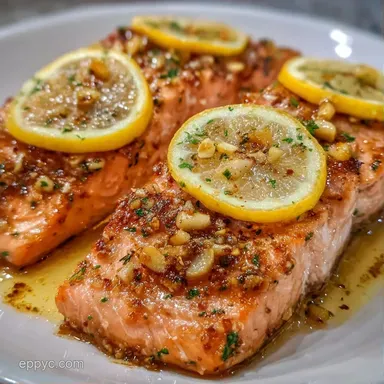
Lemon Garlic Baked Salmon: Tender and Zesty
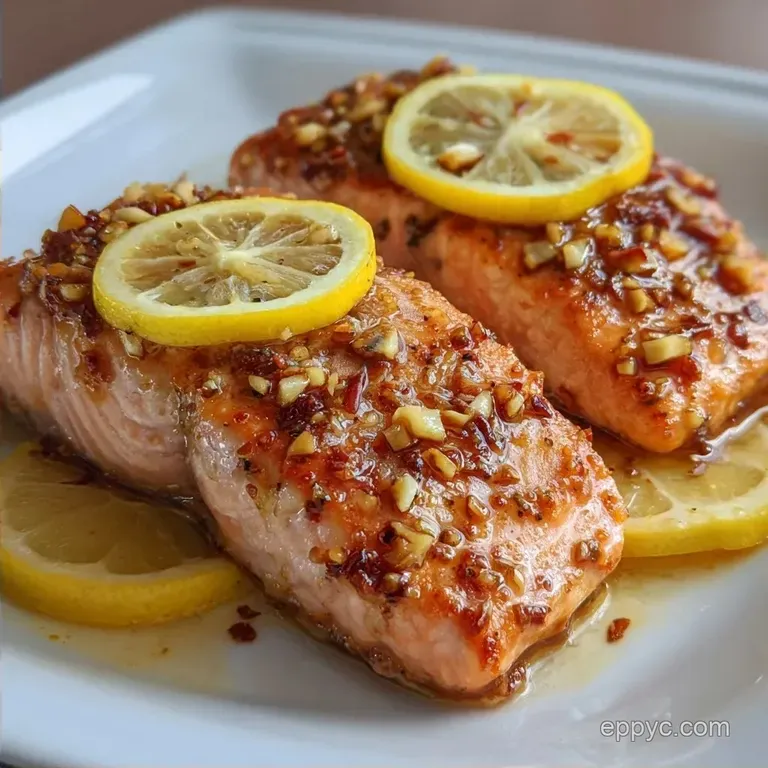
- Time: 10 min active + 15 min baking
- Flavor/Texture Hook: Velvety butter sauce with a shatter crisp edge
- Perfect for: Low stress weeknight dinners or healthy meal prep
- Lemon Garlic Baked Salmon
- The Secret To Juicy Fish
- Component Analysis
- What You'll Need Now
- Essential Kitchen Tools
- Easy Step By Step Guide
- Fixing Common Salmon Problems
- Simple Ingredient Swaps
- Adjusting for Batch Size
- Truth About Salmon Myths
- Storage and Waste Tips
- Best Side Dish Pairings
- Recipe FAQs
- 📝 Recipe Card
Lemon Garlic Baked Salmon
That first sizzle when the butter hits the hot oven air is honestly the best part. There is nothing quite like the smell of garlic and lemon filling the kitchen, making the whole house feel like a bistro. I remember the first time I tried to make salmon in a pan.
I was so terrified of overcooking it that I kept poking it every thirty seconds, and I ended up with something that had the texture of a dry sponge.
Most people think you need to sear salmon in a heavy skillet to get that professional look. I am here to tell you that is just not true. Oven roasting is actually a lot more forgiving and keeps the fillets much juicier.
It takes the guesswork out of the process, so you can actually enjoy your glass of wine instead of hovering over the stove.
This Lemon Garlic Baked Salmon is about simplicity and smart shortcuts. We are using a over high heat roast to get a great color without drying out the middle. It is a straightforward approach that gives you a high end result without the stress of splashing oil or uneven heat.
The Secret To Juicy Fish
I used to wonder why some salmon turned out silky while others felt chalky. It usually comes down to how the heat hits the protein. Here is what is actually happening when you follow this method:
Fat Barrier: The melted butter and olive oil create a protective layer. This stops the moisture from evaporating too quickly, which is why the fish stays velvety inside.
Acid Timing: Adding the lemon juice just before baking prevents the acid from "cooking" the fish (like ceviche) before it even hits the oven. This keeps the texture natural.
Quick Heat: By using 375°F, we cook the fish fast enough to avoid the slow drying effect of low temperatures, but not so fast that the outside burns before the inside is done.
Moisture Control: Patting the fish dry is the most important part. Water on the surface creates steam, and steam prevents browning. Removing that water means the butter can actually cling to the fish.
The way we apply the heat makes a huge difference. I've put together a quick look at how this compares to the pan method.
| Method | Time | Texture | Best For |
|---|---|---|---|
| Oven Baked | 15 mins | Uniformly tender | Large batches, beginners |
| Stovetop Sear | 8-10 mins | Crispy skin, gradient cook | Single fillets, skin lovers |
It's mostly a matter of how much you want to clean up. The oven is way cleaner.
Component Analysis
Understanding your ingredients helps you make better decisions when you're staring at an empty fridge. Here is the breakdown of why these specific items are in the recipe.
| Ingredient | Science Role | Pro Secret |
|---|---|---|
| Unsalted Butter | Heat conductor & moisture lock | Use unsalted so you can control the salt levels |
| Fresh Garlic | Aromatic depth | Mince it fine to avoid big, burnt chunks |
| Lemon Zest | Concentrated citrus oil | The zest has more flavor than the juice |
| Fresh Parsley | Freshness balance | Add at the very end to keep the color bright |
I always tell people not to skip the zest. The juice provides the tang, but the zest provides that floral, bright aroma that makes the dish feel fresh. If you are looking for other bright flavors, you might like my creamy lemon pasta for a similar vibe in a different dish.
What You'll Need Now
For this Lemon Garlic Baked Salmon, you want fillets that are roughly the same thickness. If one is thin and one is thick, the thin one will be dry by the time the thick one is safe to eat. I usually go for center cut fillets because they are the most consistent.
For the Salmon:
- 4 salmon fillets, about 6 oz eachWhy this? Standard size for a 15 minute cook time
- ½ tsp saltWhy this? Enhances natural flavors
- ¼ tsp black pepperWhy this? Adds a subtle woody heat
- 1 tbsp olive oilWhy this? Raises the smoke point of the butter
For the Lemon Garlic Butter:
- 3 tbsp unsalted butter, meltedWhy this? Creates a rich, velvety glaze
- 3 cloves garlic, mincedWhy this? Pungent, savory base
- 1 tbsp fresh lemon juiceWhy this? Cuts through the fat of the salmon
- 1 tsp lemon zestWhy this? Adds the "bright" citrus notes
- 1 tbsp fresh parsley, finely choppedWhy this? Visual pop and herbal finish
If you find yourself without butter, you can use more olive oil, though you will lose that creamy richness. If you are out of fresh garlic, garlic powder works in a pinch, but use only a third of the amount since it's more concentrated.
| Original Ingredient | Substitute | Why It Works |
|---|---|---|
| Unsalted Butter | Olive Oil | dairy-free alternative. Note: Less creamy, more fruity |
| Fresh Garlic | Garlic Powder | Pantry staple. Note: Use 1/2 tsp instead of 3 cloves |
| Fresh Parsley | Dried Parsley | Available everywhere. Note: Less color, milder taste |
| Salmon Fillets | Steelhead Trout | Similar fat content. Note: Slightly milder flavor |
You can't go wrong with trout if salmon is too expensive this week. It handles the heat almost exactly the same way.
Essential Kitchen Tools
You don't need a professional kitchen to pull this off, but a few tools make it a lot easier. A rimmed baking sheet is a must. If you use a flat tray without edges, the melted butter will run off the side and create a smoke show in your oven.
Parchment paper is also a lifesaver. It prevents the salmon from sticking and means you basically have zero cleanup. I once tried to use foil without greasing it, and I spent twenty minutes scrubbing salmon skin off my pan. Trust me, just use the parchment.
A small whisk or a fork works for the butter mixture. You don't need a fancy blender or processor. Just a bowl and a way to stir it together.
Easy step by step Guide
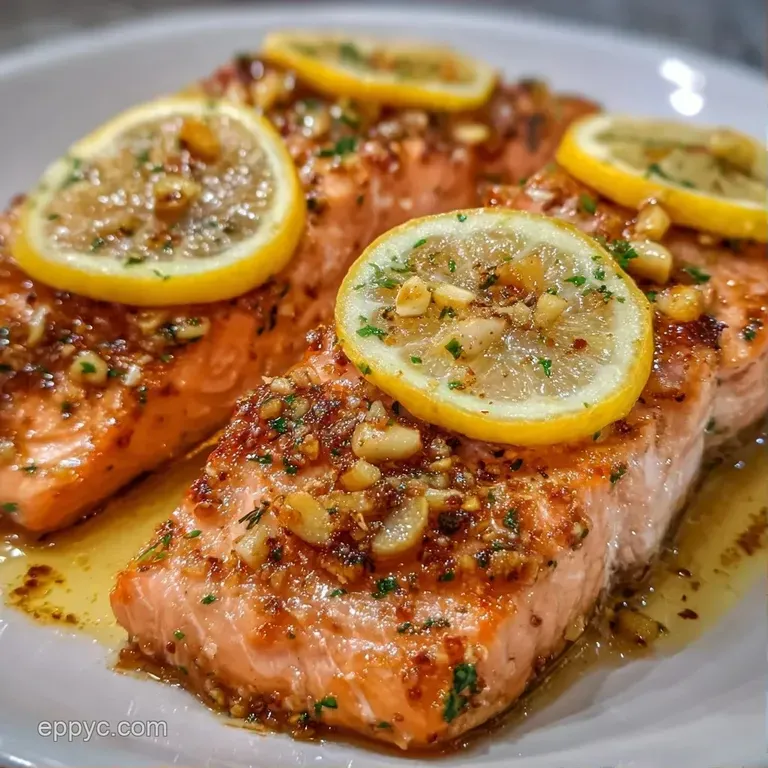
Ready to get started? Let's get into the actual process. This is a quick one, so keep your ingredients prepped and ready to go.
Step 1: Prepare the Base
Preheat your oven to 375°F (190°C). While that is warming up, line your rimmed baking sheet with parchment paper. This is your insurance policy against a messy oven.
Step 2: Dry the Fish
Pat the salmon fillets dry with a paper towel. Note: Moisture is the enemy of browning. Place them skin side down on the baking sheet.
Step 3: Basic Seasoning
Season both sides of each fillet with the salt and pepper. Don't be shy, but remember that the butter sauce will add its own richness.
Step 4: Mix the Infused Glaze
In a small bowl, whisk together your melted butter, minced garlic, lemon juice, and lemon zest. It should look like a thick, aromatic emulsion.
Step 5: Apply the Sauce
Spoon the lemon garlic butter mixture evenly over each fillet. Make sure you get some on the sides of the fish, not just the top. This protects the edges from drying out.
Step 6: The Roast
Bake for 12-15 minutes. Watch for the edges to become opaque and the center to feel slightly firm but still have some "give" when pressed.
Step 7: The Flake Test
To be absolutely sure, take a fork and gently push the thickest part of the fillet. It should flake apart easily without being mushy.
Step 8: The Finish
Remove the pan from the oven. Sprinkle the fresh parsley over the top immediately. The heat from the fish will wake up the oils in the parsley.
Step 9: The Rest
Let the fish rest on the pan for 2-3 minutes before moving it to a plate. This lets the juices redistribute so the fish stays moist.
Chef's Note: If your fillets are very thin (less than an inch), check them at 10 minutes. Salmon goes from "perfect" to "chalky" very quickly.
Fixing Common Salmon Problems
Even the best of us mess up a fillet now and then. The most common issue is definitely the dryness. If your salmon comes out feeling like a piece of cardboard, you likely left it in for an extra two minutes too long.
Another thing people struggle with is the garlic. If you see little black specks of burnt garlic, it's usually because the garlic was minced too unevenly or the oven was too hot. Mincing it into tiny, consistent pieces ensures it cooks at the same rate as the butter.
If the fish isn't browning, you probably didn't pat it dry enough. Water creates steam, and steam keeps the temperature at 212°F, which isn't hot enough to brown the proteins.
Why Your Fish Is Dry
This usually happens due to overcooking or using fillets that are too thin for the suggested time.
| Problem | Root Cause | Solution |
|---|---|---|
| Chalky Texture | Overcooked | Reduce bake time by 2 mins |
| Bitter Taste | Burnt Garlic | Mince garlic finer |
| No Color | Wet Surface | Pat fillets drier with paper towels |
Common Mistakes Checklist
- ✓ Did you preheat the oven fully?
- ✓ Is the salmon patted dry?
- ✓ Did you use a rimmed pan to catch the butter?
- ✓ Did you check for flaking at 12 minutes?
- ✓ Did you let the fish rest for 2 minutes?
Simple Ingredient Swaps
If you are looking to change things up, this recipe is very flexible. For those who avoid dairy, you can replace the butter with a high-quality olive oil or even melted ghee. Ghee is great because it has a higher smoke point than butter, which is helpful if you like a slightly more charred edge.
If you want a different protein entirely, you can use this same butter sauce on a grilled flank steak or roasted shrimp. The lemon garlic combo is a universal winner.
For a "one pan" meal, you can toss some asparagus or thin broccoli florets right onto the baking sheet around the salmon. Just make sure the vegetables are thin enough to cook in 15 minutes. If you use thicker carrots, start them in the oven 10 minutes before you add the fish.
Adjusting for Batch Size
Scaling this recipe is pretty simple, but you can't just multiply everything and hope for the best. If you are cooking for a crowd, the biggest risk is crowding the pan.
Cutting it Down (2 servings) If you are just making two fillets, use a smaller baking sheet. The time stays mostly the same, but keep a close eye on them around the 11 minute mark, as smaller batches can sometimes cook slightly faster due to better airflow.
Scaling it Up (8+ servings) When doubling the recipe, don't double the salt. Increase the salt and pepper to only 1.5x the original amount. Use two separate baking sheets instead of one giant one. If you crowd the fillets, they will steam each other, and you'll lose that beautiful roasted edge.
If you use a very large, deep pan for a big batch, lower the temperature to 350°F and extend the time by about 5-7 minutes. This ensures the middle fillets cook through before the outside ones burn.
Truth About Salmon Myths
There are a lot of "rules" about salmon that are actually just myths. Let's clear a few things up.
Myth: Searing seals in the juices. This is the most common lie in the kitchen. Searing creates flavor and a crust, but it doesn't create a waterproof seal. Moisture loss happens whether you sear or bake. The goal is just to stop cooking the moment it's done.
Myth: Frozen salmon is lower quality. Actually, most "fresh" salmon at the grocery store was frozen on the boat anyway. The key is how it was frozen. As long as it was flash frozen quickly, the quality is almost identical to fresh. Just thaw it slowly in the fridge overnight.
Myth: You must cook salmon until it's opaque throughout. According to some guidelines, you can eat salmon medium rare. While I prefer it opaque for this specific recipe, leaving a slightly translucent center is perfectly safe and often tastes more tender.
Storage and Waste Tips
If you have leftovers, store them in an airtight glass container. Salmon stays good in the fridge for about 3 days. To reheat it without drying it out, avoid the microwave. Instead, put it in a 275°F oven for about 5-10 minutes, or gently warm it in a pan with a tiny bit of extra butter.
Freezing cooked salmon is possible, but the texture changes. It becomes a bit more fibrous. I recommend using frozen cooked salmon for salmon cakes or salads rather than eating it as a main fillet.
To avoid waste, don't throw away the lemon hulls. You can freeze the leftover zest in a small container for future recipes. If you have leftover garlic stems, toss them into a freezer bag with some oil and use them to infuse your cooking oil later.
Even the parchment paper can sometimes be reused if it isn't too greasy, though it's usually better to recycle it.
Best Side Dish Pairings
Since this Lemon Garlic Baked Salmon is rich and tangy, you want sides that either lean into the brightness or provide a creamy contrast.
A simple bunch of roasted asparagus is the classic choice. Since they cook in the same amount of time as the salmon, they are the perfect partner. Toss them in olive oil, salt, and pepper, and slide them onto the pan.
If you want something more filling, a wild rice pilaf or a quinoa salad works wonders. The nutty flavor of the grains balances the acidity of the lemon. For something a bit more indulgent, a side of sautéed spinach with a hint of nutmeg adds a velvety texture that complements the fish perfectly.
I also love serving this with a crisp cucumber salad with a dill vinaigrette. The coolness of the cucumbers cuts through the butter sauce and refreshes your palate between bites. It turns a simple dinner into a full, balanced meal.
Recipe FAQs
What is the best way to bake a simple salmon fillet?
Bake at 375°F for 12 15 minutes. Pat the fillets dry and coat them in the lemon garlic butter mixture for a fast, flavor packed meal.
How to cook salmon so it doesn't taste fishy?
Pat the fillets dry with a paper towel. This removes surface moisture and odors before applying the lemon juice glaze to neutralize fishy notes.
How to tell if the salmon is finished cooking?
Check for opaque edges and a center that flakes easily with a fork. This typically occurs after 12 15 minutes of baking.
Is it true that I must use high heat to sear salmon before baking?
No, this is a common misconception. Baking at 375°F provides a gentle, consistent heat that cooks the fish evenly without needing a separate searing step.
How to reheat leftover salmon without drying it out?
Place fillets in a 275°F oven for 5 10 minutes. Avoid using the microwave, which often makes the fish rubbery and dry.
What is a great side dish to serve with this salmon?
Pair it with a roasted vegetable. This fish goes exceptionally well with roasted zucchini for a light and healthy meal.
Can I freeze salmon after it has been baked?
Yes, though the texture becomes more fibrous. I recommend using frozen cooked salmon for salads or cakes rather than as a standalone fillet.
Lemon Garlic Baked Salmon