Creamy Lemony Hummus Dressing in 5 Minutes
- Time: 5 min active
- Flavor/Texture Hook: Tangy, smooth, and bright
- Perfect for: Buddha bowls, meal prep, and quick lunches
- Lemony Hummus Dressing Recipe for Easy Meals
- Why Hummus Works as a Base
- What Each Ingredient Does
- The Shopping List Breakdown
- Necessary Equipment for Mixing
- Step by Step Mixing Guide
- Fixing Common Texture Issues
- Simple Dietary Adaptations
- Storage and Zero Waste
- Best Ways to Serve
- Common Dressing Myths
- Recipe FAQs
- 📝 Recipe Card
Lemony Hummus Dressing Recipe for Easy Meals
I remember a random Tuesday about a year ago when I was staring at a hummus tub with maybe two tablespoons left in it. I didn't want to waste it, but I also didn't have anything to dip. I tossed in some lemon juice and a splash of water, whisked it up, and suddenly my boring kale salad felt like something from a cafe.
It's one of those "kitchen win" moments. You take a pantry staple and turn it into a bright, zesty sauce that makes everything taste fresher. This Lemony Hummus Dressing Recipe is exactly that, and it's become my go to for when I'm too tired to make a complex vinaigrette.
You can expect a dressing that feels rich but tastes light. It doesn't have that heavy, cloying feel of some store-bought options. Instead, it's punchy and clean, providing a bold contrast to roasted vegetables or grains.
Why Hummus Works as a Base
Tahin Stabilization: The sesame paste in hummus acts as a natural binder, which helps the oil and lemon juice stay mixed.
Creamy Texture: Because the chickpeas are already pureed, you get a silky consistency without needing an immersion blender or a food processor.
Balanced Salt: Most hummus already has salt and garlic, so you spend less time adjusting the seasoning from scratch.
| Method | Time | Texture | Best For |
|---|---|---|---|
| Fast (Hummus Base) | 5 mins | Creamy/Thick | Buddha bowls, wraps |
| Classic (Tahini Base) | 15 mins | Thinner/Nuttier | Traditional salads |
What Each Ingredient Does
| Ingredient | What It Does | Best Swap |
|---|---|---|
| Plain Hummus | Provides body and creaminess | Greek Yogurt (non vegan) |
| Lemon Juice | Cuts richness with acidity | Apple cider vinegar |
| Dijon Mustard | Adds tang and stabilizes emulsion | Yellow mustard |
| Olive Oil | Adds a smooth mouthfeel | Avocado oil |
The Shopping List Breakdown
To get this right, you'll want specific items. Don't just grab any mustard, as the seeds in whole grain can make the texture a bit chunky.
- 1/2 cup (120g) plain hummus Why this? Forms the creamy, high protein base
- 1 tsp (5g) Dijon mustard Why this? Emulsifies the oil and adds a sharp bite
- 2 tbsp (30ml) fresh lemon juice Why this? Provides the essential brightness
- 1 tbsp (15ml) extra virgin olive oil Why this? Adds a fruity, rich finish
- 2 tbsp (30ml) filtered water Why this? Adjusts the thickness for pouring
- 1/4 tsp (1.5g) sea salt Why this? Enhances all other flavors
- 1/8 tsp (0.5g) cracked black pepper Why this? Adds a subtle, woody heat
Necessary Equipment for Mixing
You don't need a fancy kitchen setup for this. In fact, using a mason jar is actually my favorite way to do it because you can shake it up and store it in the same container.
If you prefer a bowl, a small ceramic one and a whisk work best. The whisk helps break up any clumps of hummus quickly. A measuring spoon set is also handy to ensure the lemon juice doesn't overpower the chickpeas.
Step by step Mixing Guide
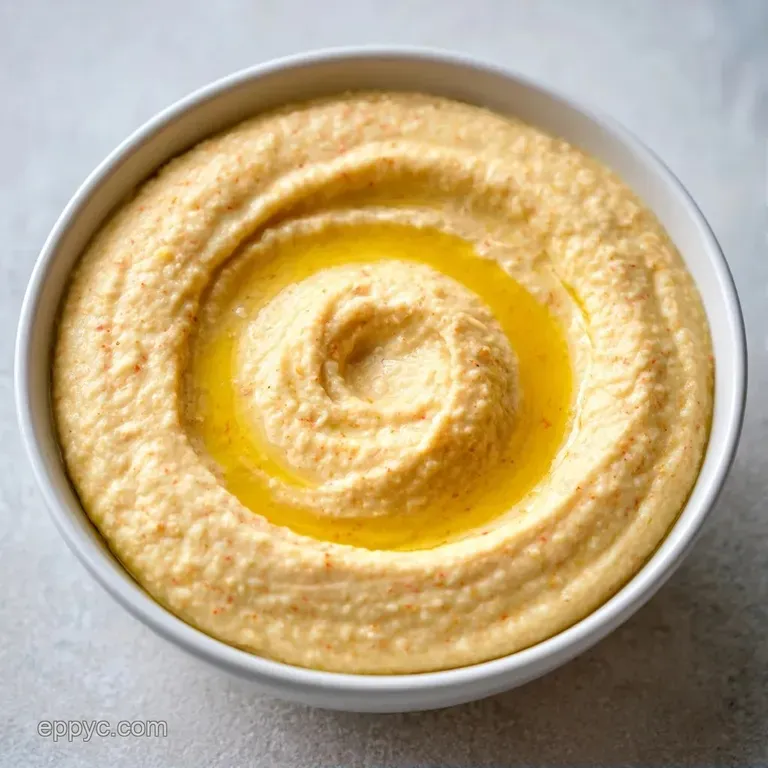
- Combine the hummus and Dijon mustard in a small mixing bowl or mason jar. Note: Whisk vigorously until the mixture is completely smooth and the mustard is fully incorporated.
- Slowly whisk in the lemon juice and olive oil.
- Continue whisking until the texture becomes glossier and a consistent, velvety sheen appears.
- Add filtered water one tablespoon at a time. Note: Whisk after each addition to control the thickness.
- Stop adding water when the dressing reaches a 'ribbon stage,' where it pours slowly off the whisk leaving a visible trail.
- Stir in the sea salt.
- Stir in the cracked black pepper.
- Taste a small amount on a leaf of lettuce to check the balance.
Chef's Note: If you have a lemon with a thick skin, zest it before juicing and stir a pinch of the zest in at the end. It adds a floral aroma that juice alone can't provide.
Fixing Common Texture Issues
If your dressing isn't behaving, it's usually a matter of ratios. Since store-bought hummus varies in thickness, you might need to tweak the water.
Why Your Dressing Is Too Thick
If it looks more like a dip than a dressing, you likely need more liquid. Adding water too quickly can sometimes cause the oil to separate, so go slow.
Fixing a Separated Sauce
A "broken" sauce happens when the oil doesn't bind. This is rare with hummus, but if it happens, whisk in a teaspoon of warm water rapidly.
Dealing with Too Much Lemon
If the acidity is too sharp, add another tablespoon of hummus. This adds more fat and protein to mellow out the acid, which is a basic principle of flavor balancing described by Serious Eats.
| Problem | Root Cause | Solution |
|---|---|---|
| Too thick to pour | Not enough water | Add water 1 tsp at a time |
| Tastes too salty | Hummus was over salted | Add 1 tsp maple syrup or more lemon |
| Oil floating on top | Whisked too slowly | Whisk vigorously for 30 seconds |
Simple Dietary Adaptations
Depending on your diet, you can swap a few things around. This Lemony Hummus Dressing Recipe is naturally vegan, but here are some ways to shift the flavor.
For a Garlic Heavy Kick: Stir in half a teaspoon of garlic powder or one small grated clove of fresh garlic.
Looking for a Spicy Twist: Add a teaspoon of Sriracha or a pinch of smoked paprika.
Lower Calorie Option: Replace the olive oil with an extra tablespoon of water or a splash of unsweetened almond milk. This reduces the fat content while keeping the volume.
Storage and Zero Waste
Store this in an airtight glass jar in the fridge for up to 5 days. It might thicken up as it chills, which is normal. Just give it a good shake or whisk in a teaspoon of water to bring it back to life before serving.
I don't recommend freezing this dressing. The emulsion can break during the freezing and thawing process, leaving you with a grainy texture.
To keep things zero waste, use the actual hummus container if there's enough room. Just add your ingredients directly to the tub and stir. If you have leftover lemon rinds, toss them in your compost or use them to infuse some vinegar for later.
Best Ways to Serve
This is a versatile sauce. It's fantastic as a Hummus Dressing for Buddha Bowl setups with quinoa, roasted sweet potatoes, and chickpeas. The acidity cuts right through the earthiness of the roasted veg.
It also works as a Hummus Dressing for Kale Salad, as the creaminess helps soften the tough fibers of the kale. For a snack, try it as a dip for Homemade Artisan Crackers.
If you want something even fresher, you can drizzle this over a Vibrant Green Goddess Salad to add a layer of Mediterranean heartiness.
Decision Shortcut:
- If you want a dip: Use less water.
- If you want a salad drizzle: Follow the ribbon stage.
- If you want a wrap spread: Use 1 tbsp less lemon juice.
Common Dressing Myths
One common myth is that you need a high speed blender to make a creamy dressing. Actually, the pre pureed nature of hummus does the hard work for you, making a hand whisk more than enough.
Another misconception is that adding oil always makes a dressing "heavy." When balanced with enough lemon juice and water, the oil actually carries the flavor across your palate more effectively.
Recipe FAQs
Can I make dressing from hummus?
Yes, hummus makes an excellent creamy base. Simply whisk it with lemon juice, olive oil, and Dijon mustard to transform the thick dip into a pourable dressing.
How to make this lemony hummus dressing?
Whisk hummus and Dijon mustard together until smooth. Gradually stir in lemon juice and olive oil, then add filtered water one tablespoon at a time until it reaches a ribbon stage.
How to get the perfect "ribbon stage" consistency?
Add filtered water one tablespoon at a time. Whisk after each addition and stop once the dressing pours slowly off the whisk, leaving a visible trail behind.
What is the best way to store leftovers?
Keep it in an airtight glass jar in the fridge for up to 5 days. If the dressing thickens while chilling, whisk in a teaspoon of water to restore the velvety texture.
Is it true I can freeze this dressing for later use?
No, this is a common misconception. Freezing and thawing breaks the emulsion, which typically leaves you with a grainy, separated texture.
What can I add to cooked quinoa to stop it from tasting bland?
Drizzle this lemony hummus dressing over your grains. The acidity from the lemon and the creaminess of the hummus add immediate depth. If you enjoy using lemon to brighten flavors, you can apply the same balancing technique in our lemon herb risotto.
How to make this dressing using a mason jar?
Combine all ingredients inside the jar and shake vigorously. Shaking is an efficient alternative to whisking and ensures the mustard and hummus are fully incorporated.
Lemony Hummus Dressing