Banana Bread: Moist and Tender
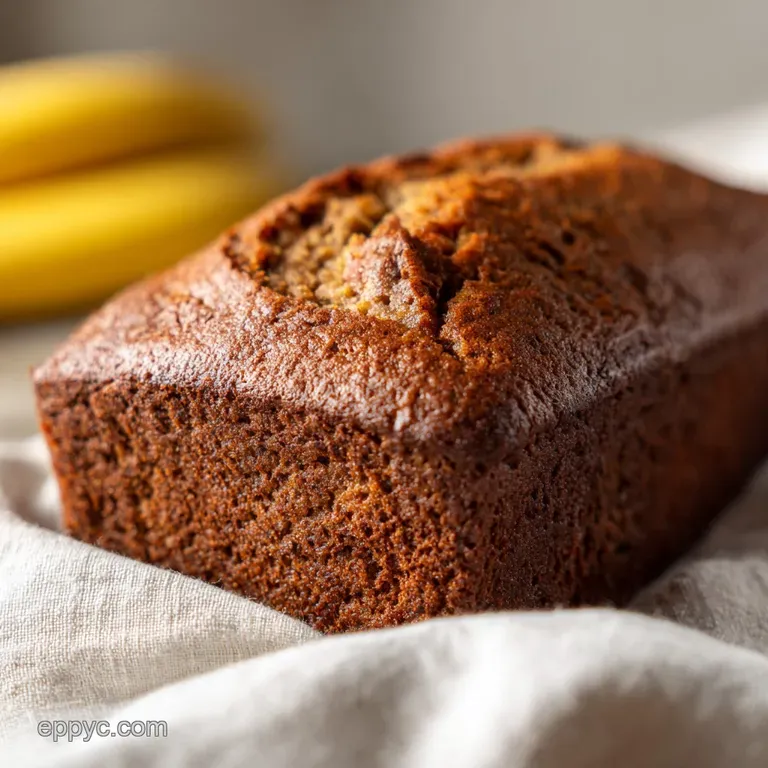
- Time: Active 15 minutes, Passive 60 minutes, Total 75 minutes
- Flavor/Texture Hook: Deeply caramelized sweetness with a velvety, tender crumb
- Perfect for: Weekend brunch, wholesome snacking, or beginner friendly gifting
- Crafting the Ultimate Moist Banana Bread Recipe
- Why This Inventive Loaf Works
- Essential Baking Specs
- Wholesome Ingredients Selection
- Essential Tools for Success
- Step-by-Step From Prep to Plate
- Solving Common Baking Problems
- Creative Variations and Substitutions
- Preserving the Velvety Texture
- Pairing Ideas for Serving
- Dispelling Common Baking Myths
- Recipe FAQs
- 📝 Recipe Card
Crafting the Ultimate Moist Banana Bread Recipe
Forget everything you’ve heard about needing nearly black, liquified bananas to get a decent result. There is a common myth that unless your fruit looks like it’s about to walk out the door, the bread will be dry. Honestly, that’s just not true.
While very ripe fruit is great, you can get an incredible, bold flavor and a shatter crisp crust with bananas that are simply heavily speckled. The real secret isn't just the age of the fruit; it’s how we balance the moisture and fats to keep the crumb from becoming a leaden brick.
I remember my first attempt at this years ago. I thought more butter meant a better loaf. I ended up with a greasy mess that felt heavy in the stomach. Then I tried oil, and while it was moist, it lacked that wholesome, rich soul we all crave. The discovery of the "hybrid fat" technique changed my kitchen life.
By using both butter for that inventive flavor and oil for lasting tenderness, we get the best of both worlds.
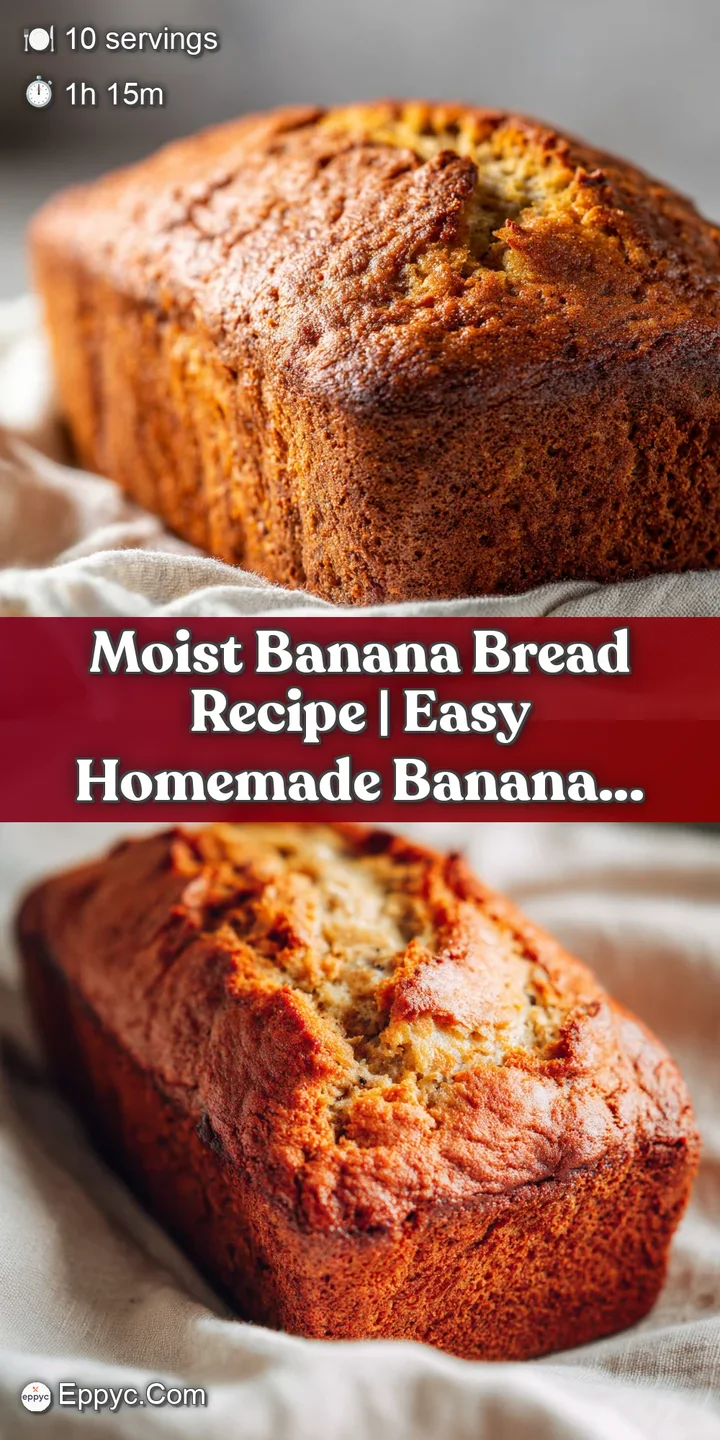
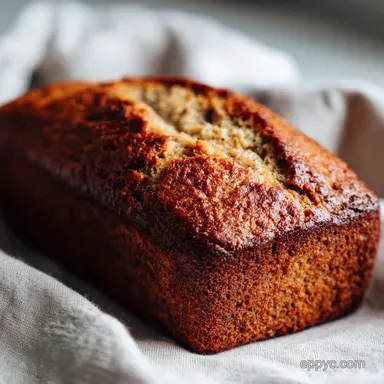
When you pull this loaf out of the oven, the aroma of toasted cinnamon and caramelized sugar fills the room in a way that feels like a warm hug. The top should have a slight crack, revealing a moist interior that is anything but soggy.
This is about building layers of satisfaction, starting with the mashing of the fruit and ending with that first, buttery slice. Let's get into what makes this specific method so reliable.
Why This Inventive Loaf Works
Understanding the "how" behind your bake makes you a more intuitive cook. It's not about following a map blindly; it's about knowing why we're taking the turn.
- The Hybrid Fat Strategy: Butter provides a bold, wholesome flavor through its milk solids, while vegetable oil stays liquid at room temperature, ensuring the bread feels silky even two days later.
- Acid Base Equilibrium: Using sour cream introduces lactic acid, which reacts with the baking soda to create immediate lift, preventing the dense "gummy" texture often found in fruit heavy breads.
- Hygroscopic Sugar Balance: Brown sugar pulls moisture from the air and the bananas, locking it into the crumb so the loaf doesn't dry out as it cools.
- Starch Protection: Folding the dry ingredients gently prevents the development of tough gluten ribbons, keeping the texture light and velvety rather than bread like.
| Method | Bake Time | Texture Result | Best For |
|---|---|---|---|
| Standard Loaf (9x5) | 60 minutes | Even, velvety crumb | Classic thick slices |
| Muffin Tins | 20-22 minutes | High crust to crumb ratio | On the-go snacking |
| Mini Loaf Pans | 35-40 minutes | Quick baking, dense | Gifting to neighbors |
Finding the right balance between speed and quality is the hallmark of a great home cook. While a classic loaf takes longer to bake, the slow caramelization of the sugars against the pan edges creates a far superior flavor profile compared to quick fix muffins.
Essential Baking Specs
When you're aiming for that satisfying, bold bake, precision matters. We aren't just tossing things in a bowl; we're creating an emulsion that needs to hold up under heat.
| Component | Role in the Bake | Pro Secret |
|---|---|---|
| Overripe Bananas | Primary moisture/sugar | Mash by hand for textural pockets of fruit |
| Sour Cream | Tenderness/Acidity | Use full fat for the most velvety finish |
| Brown Sugar | Flavor depth/Moisture | Pack it firmly to ensure correct weight |
| Baking Soda | Chemical leavening | Sift to avoid bitter "soda clumps" in the loaf |
The interaction between the fruit's natural enzymes and the added sugars is what gives this loaf its characteristic dark, rich hue. If you choose to use homemade ghee instead of standard butter, you'll find the nutty notes are even more pronounced, adding a sophisticated layer to the final product.
Wholesome Ingredients Selection
Choosing the right elements is the first step toward a satisfying result. We want ingredients that play well together to create a bold, cohesive flavor.
- 3 large overripe bananas (approx 450g): Look for skins with plenty of brown spots. Why this? Higher sugar content and easier to mash smoothly.
- 1/2 cup unsalted butter, melted (115g): This provides the classic, wholesome dairy backbone. Why this? Melted butter incorporates more easily into the sugar mix.
- 2 tbsp neutral vegetable oil (30ml): Any flavorless oil like canola or grapeseed works perfectly. Why this? Keeps the bread moist even when refrigerated.
- 3/4 cup brown sugar, packed (150g): Use dark brown sugar if you want an even deeper molasses kick. Why this? Adds moisture and a hint of caramel flavor.
- 1/4 cup granulated sugar (50g): Helps with the structure and the crispness of the top crust.
- 1 large egg, room temperature: Essential for binding the fats and liquids together. Why this? Room temp eggs emulsify better than cold ones.
- 1/4 cup full fat sour cream (60g): The secret weapon for a velvety texture. Why this? Adds fat and acidity for a tender crumb.
- 1 tbsp vanilla extract: Don't skimp here; quality vanilla makes a massive difference.
- 1 1/2 cups all purpose flour (210g): The structural foundation of our loaf.
- 1 tsp baking soda: Our primary lifting agent.
- 1/2 tsp fine sea salt: To balance the intense sweetness of the bananas.
- 1 tsp ground cinnamon: For that inventive, warm spiced aroma.
| Original Ingredient | Substitute | Why It Works |
|---|---|---|
| Sour Cream (1/4 cup) | Greek Yogurt (full fat) | Similar acidity and fat content. Note: Crumb may be slightly tangier. |
| Unsalted Butter | Coconut Oil (melted) | Maintains fat ratio. Note: Adds a subtle tropical scent to the loaf. |
| Brown Sugar | Coconut Sugar | Deep mineral flavor. Note: Results in a slightly drier, more crumbly texture. |
Using high-quality cinnamon is one of those small changes that feels truly inventive. If you can find Saigon or Ceylon cinnamon, the bold, spicy sweet notes will transform the bread from standard to standout.
Essential Tools for Success
You don't need a high tech kitchen to make a stunning loaf, but having the right basics makes the process much more satisfying.
First, a 9x5-inch loaf pan is non negotiable for the correct rise. If you use a larger pan, your bread will be flat; too small, and it will overflow. I always recommend parchment paper to line the pan.
It’s not just about cleaning up; it’s about being able to lift the entire loaf out without the bottom sticking and tearing.
A sturdy silicone spatula is also your best friend here. You need something flexible enough to scrape the bottom of the bowl but firm enough to fold the thick batter without deflating it. Finally,, a wire cooling rack is essential.
If you let the bread sit in the hot pan for too long, the steam will collect at the bottom, making the crust soggy instead of that beautiful, firm texture we’re after.
step-by-step From Prep to Plate
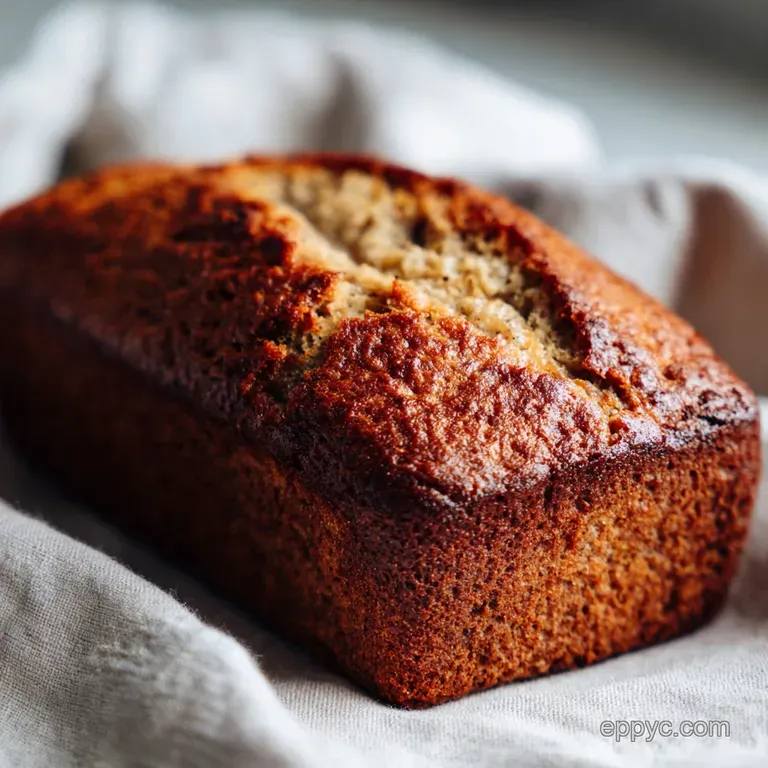
The process of making this banana bread recipe is almost as satisfying as eating it. The way the kitchen starts to smell halfway through the bake is pure magic.
- Prep the oven. Preheat your oven to 350°F (175°C). Grease a 9x5-inch loaf pan and line it with parchment paper, leaving an overhang on the sides for easy removal. Note: The overhang acts as a "sling" for the hot loaf.
- Process the fruit. In a small bowl, mash the 3 large bananas until mostly smooth, leaving a few small lumps for texture. Wait until they look like a chunky puree.
- Mix the fats. In a large mixing bowl, whisk together the 1/2 cup melted butter, 2 tbsp oil, 3/4 cup brown sugar, and 1/4 cup granulated sugar until the mixture reaches a wet sand consistency.
- Emulsify the wet base. Whisk in the 1 egg, 1/4 cup sour cream, 1 tbsp vanilla extract, and mashed bananas until fully incorporated. Note: Whisking well here builds a stable foundation.
- Sift the dry goods. Sift the 1.5 cups flour, 1 tsp baking soda, 1/2 tsp salt, and 1 tsp cinnamon directly into the wet ingredients.
- The gentle fold. Use a silicone spatula to gently fold the mixture until no dry streaks of flour remain. Stop immediately once combined to avoid toughness.
- Fill the pan. Pour the batter into the prepared loaf pan and smooth the top with your spatula.
- The long bake. Bake for 60 minutes. Smell for the aroma of toasted sugar around the 50 minute mark to check progress.
- Test for doneness. Insert a toothpick into the center; it should come out clean. Listen for a slight sizzle if you press the top very gently.
- Cool and release. Allow the bread to cool in the pan for 10 minutes before lifting it out using the parchment overhang to cool completely on a wire rack.
Solving Common Baking Problems
Even with a reliable recipe, things can go sideways in the kitchen. Most issues with fruit based breads come down to moisture management and oven temperature.
The Dreaded Gummy Bottom
If your loaf looks perfect on top but has a dense, wet layer at the base, it's usually due to under mashing or under baking. Large chunks of banana release a lot of moisture in one spot, creating a "sinkhole" of unbaked batter. Always ensure your bananas are mashed into a consistent puree with only tiny lumps.
Why the Center Sinks
A sunken middle often happens because the oven door was opened too early. The rush of cold air causes the delicate structure of the rising bread to collapse before it has set. Wait until at least 45 minutes have passed before checking the loaf.
Another cause is expired baking soda; if it's old, it won't have the strength to hold the heavy fruit up.
| Problem | Root Cause | Solution |
|---|---|---|
| Burnt Top, Raw Middle | Oven temp too high or rack too high | Move to middle rack; tent with foil at 40 mins. |
| Dry, Crumbly Texture | Over measuring flour | Use the "spoon and level" method for flour. |
| No Rise / Heavy Loaf | Inactive baking soda | Replace soda every 6 months for bold lift. |
Common Mistakes Checklist
- ✓ Pat the bananas dry if they seem excessively watery after mashing.
- ✓ Preheat your oven for at least 20 minutes before the pan goes in.
- ✓ Don't overmix the batter - 15 to 20 folds is usually plenty.
- ✓ Let the bread cool for the full 10 minutes in the pan to set the structure.
- ✓ Ensure your egg is truly at room temperature to avoid curdling the butter.
Creative Variations and Substitutions
Once you've mastered the base, it's time to get inventive. This recipe is a fantastic canvas for bold flavors and wholesome additions.
If you’re a fan of texture, adding 1/2 cup of toasted walnuts or pecans provides a satisfying crunch that contrasts beautifully with the velvety crumb. For a more indulgent version, dark chocolate chips are a classic choice.
If you're looking for something truly unique, try adding a tablespoon of orange zest to the batter; the citrus notes brighten the heavy sweetness of the bananas in a very sophisticated way.
For those who enjoy a bit of a ferment, using a sourdough bread discard approach can be fascinating. You can replace the sour cream with 1/2 cup of sourdough discard. It adds a complex, tangy layer that balances the sugar perfectly. If you do this, you might need to add an extra pinch of baking soda to help with the rise.
| Premium Ingredient | Budget Alternative | Flavor Impact | Savings |
|---|---|---|---|
| Pure Vanilla Bean | Vanilla Extract | Slightly less "speckled" look | Save $4-6 |
| Grade A Maple Sugar | Brown Sugar | Less woody/floral notes | Save $3-5 |
| Macadamia Nuts | Toasted Sunflower Seeds | Nutty but less buttery | Save $5-7 |
Preserving the Velvety Texture
The best part about this banana bread recipe is that it actually tastes better the next day. The flavors have time to meld, and the moisture redistributes throughout the loaf.
Storage Guidelines
Keep the cooled loaf in an airtight container at room temperature for up to 4 days. If you live in a very humid environment, you might want to move it to the fridge after day two to prevent mold.
However, refrigeration can slightly toughen the crumb, so always let a cold slice come to room temperature or give it a quick 10 second zap in the microwave to restore that velvety feel.
Freezing for Later
This bread freezes beautifully. I recommend slicing the loaf first, then placing pieces of parchment paper between the slices before wrapping the whole thing in foil and a freezer bag. This way, you can grab a single slice whenever the craving hits. It will stay fresh in the freezer for up to 3 months.
Zero Waste Tips
Don't throw away those over ripe bananas! If you have too many, peel them and freeze them in a bag. When you're ready to bake, just thaw them in a bowl; they will be very watery, which is perfect for this recipe.
Also, don't toss the banana peels soak them in water for 24 hours to create a nutrient rich "tea" for your houseplants.
Pairing Ideas for Serving
While a plain slice is satisfying on its own, you can really make this a bold experience by being inventive with your toppings.
A thick smear of salted butter is the gold standard, especially when the bread is still slightly warm. If you want something more wholesome, a dollop of almond butter and a drizzle of honey adds a great protein boost.
For a dessert style serving, try a quick cream cheese frosting or even a scoop of vanilla bean ice cream.
If you have leftovers that are starting to get a bit dry (though with the oil and sour cream, that shouldn't happen quickly!), this bread makes the most incredible French toast. Because it's dense and sweet, it soaks up the custard beautifully and gets a crispy, caramelized exterior that is absolutely bold and satisfying.
It’s a great way to ensure every crumb of your inventive bake is enjoyed.
Dispelling Common Baking Myths
In the world of home baking, some "rules" are meant to be broken. Let's look at a few things people get wrong about this classic.
The most persistent myth is that you must mash the bananas until they are a complete liquid. In reality, leaving a few small lumps provides little pockets of intense banana flavor and moisture throughout the bread. It creates a more "homemade" and satisfying texture than a perfectly uniform, factory like crumb.
Another common misconception is that "more leavening equals more rise." If you add too much baking soda, the bread will rise too quickly, the structure won't be able to support it, and the whole loaf will collapse in the middle. It also leaves a soapy, metallic aftertaste.
Stick to the measured teaspoon for that bold, clean flavor we're aiming for. Finally, don't believe the idea that you can't use frozen bananas. As long as you include the liquid that leaches out during thawing, they work just as well as fresh ones.
Recipe FAQs
What is the secret to the best banana bread?
The secret is using overripe bananas and not overmixing the batter. Leaving a few small lumps in the bananas provides better texture, and gentle folding ensures the bread stays moist rather than dense or rubbery.
Is brown sugar or white sugar better for banana bread?
Use a combination of both. Brown sugar adds essential moisture and a deeper molasses flavor, while the granulated sugar ensures a lighter, tender crumb structure.
What to add to banana bread to make it special?
Include ground cinnamon for aromatic depth. If you enjoyed mastering the spice profiles here, you can apply similar flavor balancing techniques to our classic southern cornbread for a richer taste.
Why put sour cream in banana bread?
Sour cream provides critical acidity and fat for a velvety crumb. It reacts with the baking soda to help the loaf rise while ensuring the final result remains exceptionally moist for several days.
How to prevent the bottom from burning?
Line the 9x5-inch pan with parchment paper using an overhang. This creates a protective barrier between the pan and the batter, ensuring even heat distribution throughout the 60-minute bake time.
How to tell if the banana bread is finished baking?
Insert a toothpick into the center of the loaf. If it comes out clean or with just a few moist crumbs, the bread is perfectly cooked at the 60-minute mark.
How to store banana bread so it stays fresh?
Keep it in an airtight container at room temperature. It will stay fresh for up to 4 days, though you can move it to the refrigerator in humid climates to prevent mold.
Moist Banana Bread Recipe
Ingredients:
Instructions:
Nutrition Facts:
| Calories | 318 kcal |
|---|---|
| Protein | 3.5 g |
| Fat | 14.0 g |
| Carbs | 46.3 g |
| Fiber | 1.7 g |
| Sugar | 25.4 g |
| Sodium | 252 mg |
