Cream Cheese Pound Cake: Ultra Moist and Silky
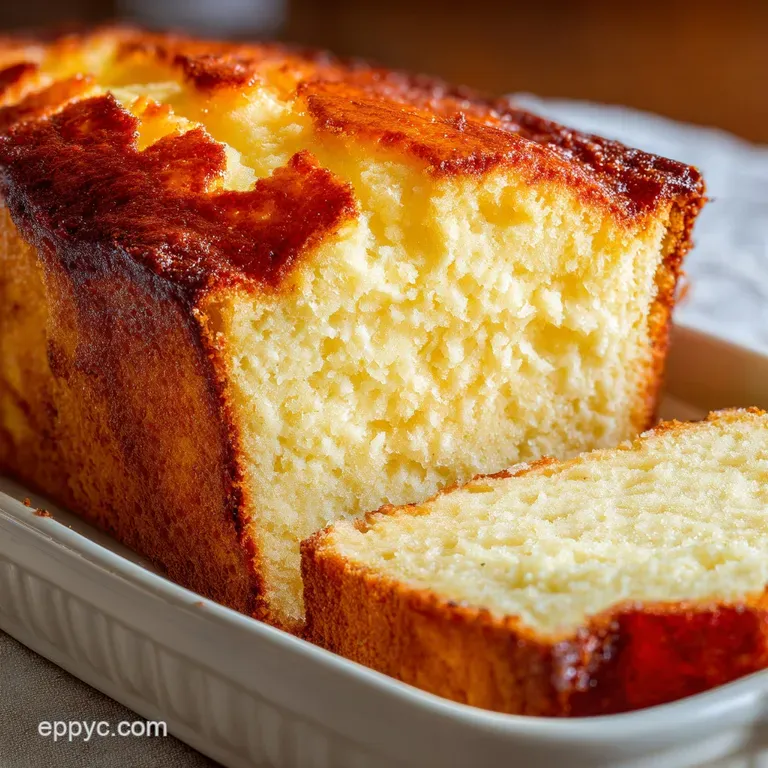
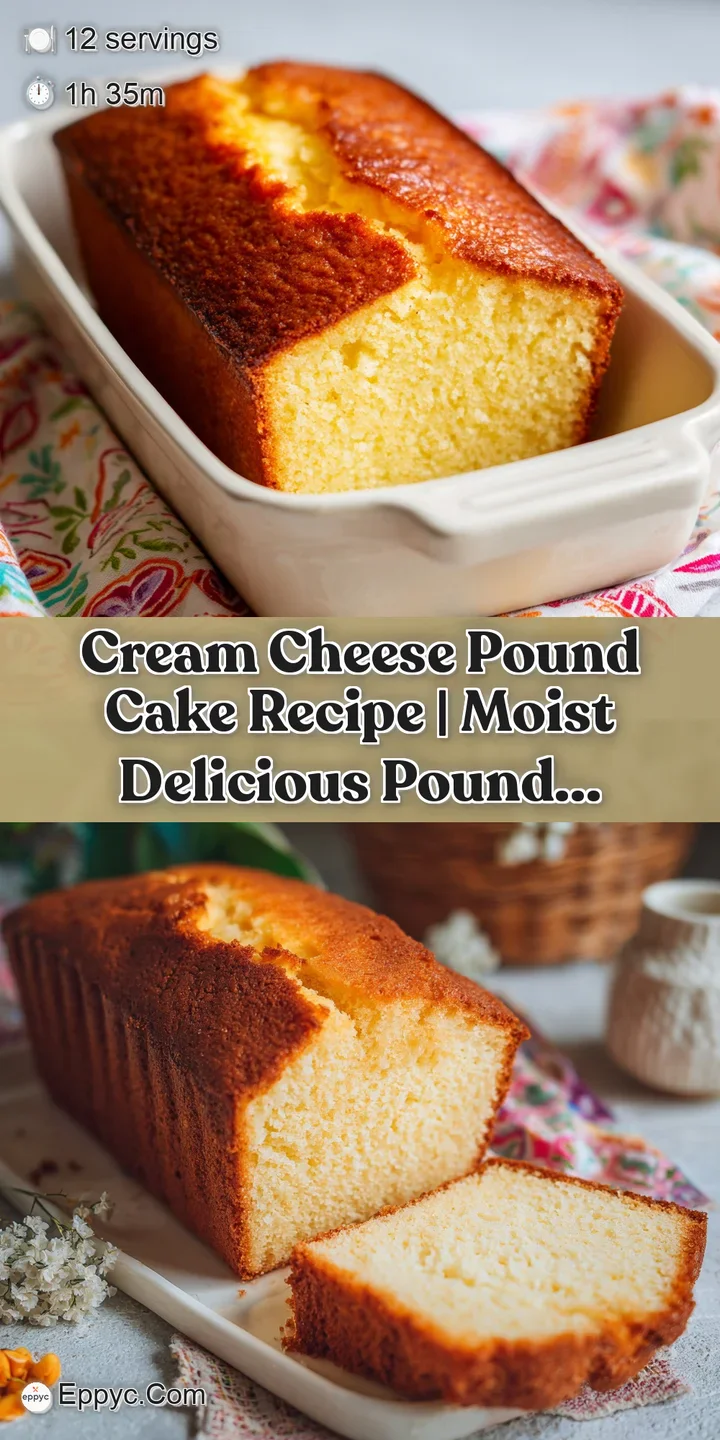
- Time: Active 20 minutes, Passive 75 minutes, Total 95 minutes
- Flavor/Texture Hook: Silky, melt in-your mouth crumb with a tangy sweet finish
- Perfect for: High end dinner parties, celebratory brunches, or artistic gift giving
- Bake the Best Cream Cheese Cake Today
- Why This Texture Works So Well
- Choosing Your Premium Baking Elements
- Tools for Your Best Loaf
- Step by Step Baking Instructions
- Solving Common Baking Texture Issues
- Scaling Your Cake Production
- Kitchen Myths and Realities
- Customizing Your Cake Flavor Palette
- Keeping Your Cake Fresh Longer
- Beautiful Pairings for Every Slice
- Recipe FAQs
- 📝 Recipe Card
Bake the Best Cream Cheese Cake Today
We have all been there. You spend an hour in the kitchen, carefully measuring flour and whisking eggs, only to pull a loaf out of the oven that looks more like a rubbery brick than a delicate dessert.
It is heartbreaking when your cake turns out dense and gummy, or even worse, develops that strange "glue streak" at the bottom because the emulsion broke. I remember my first attempt years ago; I didn't realize that cold cream cheese would never fully integrate, leaving little white lumps that looked like polka dots in my batter.
It was a texture disaster that lacked any sense of artistry.
This recipe is the definitive fix for those common baking heartaches. By focusing on temperature and aeration, we are going to create a cake that is truly show stopping. The addition of cream cheese doesn't just add flavor; it acts as a structural genius, providing a richness that butter alone cannot achieve.
It creates a crumb so tight and velvety that it feels like silk on the tongue. We aren't just baking a snack; we are crafting a piece of edible art that brings pure joy to anyone who takes a bite.
When you master this specific method, you'll see why the ratios matter so much. The high fat content from the Philadelphia cream cheese interferes with gluten development, ensuring that the cake never becomes tough or bread like. Instead, you get a luxurious, moist cream cheese loaf cake that stands tall and proud.
Trust me, once you see that golden, shattering crust emerge from the oven, you'll never go back to a standard pound cake recipe again. Let’s get into the details of why this specific balance works so beautifully.
Why This Texture Works So Well
Understanding the physics of your batter is what separates a good cook from a pastry artist. This isn't just about mixing things in a bowl; it’s about managing air and fat to create the perfect structure.
- Aeration Foundation: Creaming the butter and cream cheese together for five minutes creates millions of tiny air pockets. When the sugar is added, those crystals act like tiny shovels, enlarging those pockets to ensure the cake rises without needing chemical leaveners.
- Gluten Inhibition: The high acidity and fat in the cream cheese shorten the gluten strands in the all purpose flour. This results in a "short" crumb that is tender rather than chewy.
- Moisture Retention: Unlike milk or water, the fats in cream cheese don't evaporate easily during the long 75 minutes bake time. This keeps the interior exceptionally moist while the outside develops a beautiful, crisp exterior.
- Protein Stabilization: The six large eggs provide the structural "walls" for the air pockets we've created. By adding them one at a time, we ensure a stable emulsion that won't collapse under the weight of the sugar and flour.
| Method Type | Total Time | Final Texture | Best Occasion |
|---|---|---|---|
| Fast No Bake | 15 minutes | Mousse like, soft | Quick weeknight treat |
| Classic Baked | 1 hours 35 mins | Dense, velvety crumb | Show stopping celebrations |
Making the choice between a fast version and a classic baked version usually comes down to the texture you desire. While a simple no bake cheesecake 4 ingredients recipe is wonderful for a hot summer day, it lacks the architectural integrity and deep, caramelized flavor of a traditional baked Cream Cheese Cake.
The classic version allows for that iconic crust that provides a sensory contrast to the silky interior.
Choosing Your Premium Baking Elements
| Ingredient | Science Role | Pro Secret |
|---|---|---|
| Unsalted Butter | Flavor and Aeration | Use butter with at least 82% fat content for a richer mouthfeel. |
| Philadelphia Cream Cheese | Structure and Tang | Always use the full fat block version; tub spreads contain too much water. |
| Granulated Sugar | Tenderizing and Browning | Extra fine sugar dissolves faster, creating a more uniform air cell structure. |
| All Purpose Flour | Structural Frame | Sifting the flour twice introduces air and prevents dry clumps in the batter. |
Every element in this recipe plays a specific role in the final artistry of the dish. For the best cream cheese pound cake recipe, we use unsalted butter to have total control over the seasoning.
The vanilla bean paste is a must have here; those tiny black flecks signal to everyone that this is a premium, homemade creation.
Ingredients & Substitutes
- 1.5 cups unsalted butter, softened to 65°F: Why this? Essential for trapping air during the creaming process.
- Substitute: Salted butter (reduce added sea salt to a pinch).
- 8 oz Philadelphia cream cheese, softened: Why this? Provides the signature velvety crumb and structural stability.
- Substitute: Mascarpone (will be richer but less tangy).
- 3 cups granulated white sugar: Why this? Sweetens and tenderizes by holding onto moisture.
- Substitute: Caster sugar for an even finer texture.
- 6 large eggs, room temperature: Why this? Bonds the fats and liquids into a stable emulsion.
- Substitute: 1.5 cups liquid egg substitute (note: rise may be slightly lower).
- 3 cups all purpose flour, sifted: Why this? Provides the protein needed to hold the cake's shape.
- Substitute: Cake flour (results in an even softer, more fragile crumb).
- 1 tbsp vanilla bean paste: Why this? Adds deep floral notes and visual elegance.
- Substitute: 1 tbsp pure vanilla extract.
- 0.5 tsp fine sea salt: Why this? Sharpens the sweetness and balances the richness.
- Substitute: Table salt (use slightly less).
- 4 oz cream cheese, softened (frosting): Why this? The base for a silky, pourable glaze.
- Substitute: Greek yogurt for a thinner, tangier drizzle.
- 2 cups powdered sugar, sifted (frosting): Why this? Provides smooth sweetness without grittiness.
- Substitute: Maple syrup (will result in a much thinner glaze).
- 2 tbsp whole milk (frosting): Why this? Thins the frosting to the perfect "drip" consistency.
- Substitute: Heavy cream for a more opaque, thicker finish.
Tools for Your Best Loaf
To achieve the level of artistry required for this cake, you need the right tools. A stand mixer, such as a KitchenAid, is almost non negotiable here. The creaming process takes a full five minutes, which is exhausting with a hand mixer and nearly impossible by hand. You also need a high-quality 9x5 inch loaf pan.
I prefer a light colored aluminum pan because it distributes heat evenly; dark pans can cause the edges to brown too quickly before the center is set.
A fine mesh sifter is your best friend for both the flour and the powdered sugar. We want a delicate, airy batter, and lumps are the enemy of that goal. Finally, a long wooden skewer or a dedicated cake tester is essential.
Because this cake is so dense, a standard toothpick might not reach deep enough to give you an accurate reading of the center.
Chef's Tip: Before you start, wrap your cream cheese and butter in a warm towel for 10 minutes if you forgot to take them out of the fridge. Achieving that 65°F temperature is the difference between a grainy batter and a silky emulsion.
step-by-step Baking Instructions
- Prepare the oven and pan. Preheat your oven to 325°F and thoroughly grease and flour a 9x5 inch loaf pan, tapping out any excess flour. Note: This low temperature ensures the cake bakes evenly without a massive crack in the top.
- Cream the fats. Place 1.5 cups softened butter and 8 oz cream cheese in your mixer bowl. Beat on medium high speed until pale and voluminous, resembling whipped frosting.
- Incorporate the sugar. Slowly pour in 3 cups of granulated sugar while the mixer is running. Continue beating for a full 5 minutes until the mixture is light, fluffy, and no longer gritty when rubbed between your fingers.
- Emulsify the eggs. Add 6 large eggs, one at a time. Beat each egg until fully incorporated and the batter looks smooth before adding the next one.
- Add aromatics. Mix in 1 tbsp vanilla bean paste. The aroma should be floral and intense.
- Fold in dry ingredients. Turn the mixer to the lowest setting. Add 3 cups sifted flour and 0.5 tsp sea salt in three batches. Mix only until the last streak of white disappears to prevent overworking the gluten.
- Transfer and level. Scrape the batter into the prepared pan. Use a spatula to smooth the top until it is perfectly level.
- The long bake. Bake at 325°F for 1 hours 15 mins. The top should be deep golden and a skewer should come out clean.
- Cooling process. Let the cake rest in the pan for 10 minutes, then invert onto a wire rack. The cake must be completely cool before frosting to prevent the glaze from melting off.
- Glaze and garnish. Whisk 4 oz cream cheese, 2 cups powdered sugar, and 2 tbsp milk. Drizzle over the cake until it drips artfully down the sides.
Solving Common Baking Texture Issues
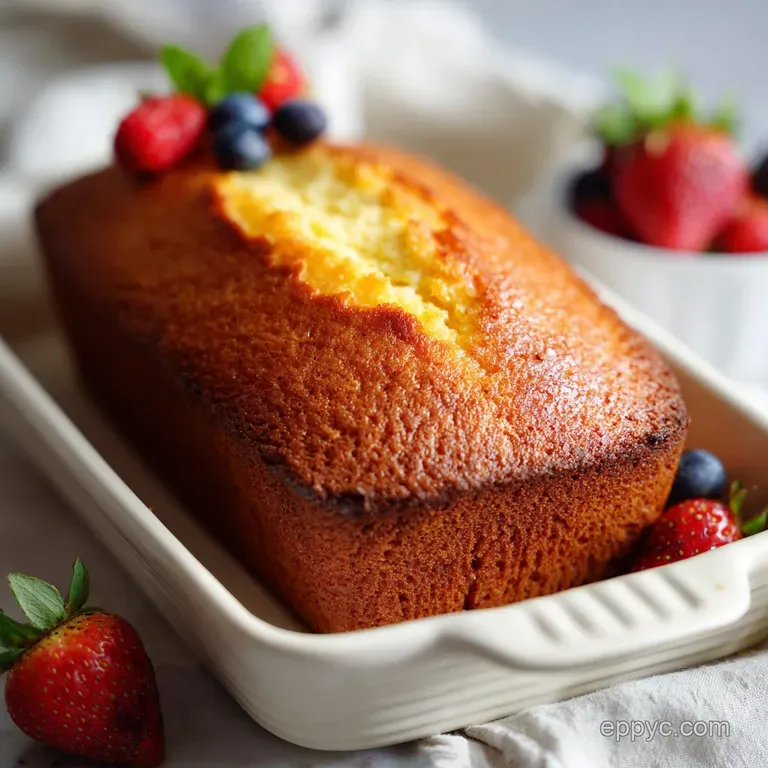
Even experienced bakers run into trouble sometimes. The beauty of a Cream Cheese Cake is that it is forgiving, but it does have its quirks. Most issues stem from temperature or over mixing.
Preventing Middle Cake Collapse
If your cake looks beautiful in the oven but craters the moment you take it out, it usually means the structure wasn't fully set. This often happens if the oven door was opened too early, causing a sudden temperature drop. Always wait at least 60 minutes before checking for doneness.
Avoiding the Dense Glue Streak
That heavy, wet layer at the bottom of the cake is usually caused by under creaming the butter and sugar or using cold eggs. When the emulsion is weak, the fat separates during baking and sinks to the bottom. Ensure everything is room temperature to keep that fat suspended in the air pockets.
| Problem | Root Cause | Solution |
|---|---|---|
| Gummy Texture | Over mixing the flour | Mix on low speed only until flour disappears. |
| Dark Edges/Raw Center | Oven temperature too high | Use a dedicated oven thermometer to verify 325°F. |
| Cracked, Dry Top | Excessive air in batter | Tap the pan on the counter 3 times before baking. |
Common Mistakes Checklist
- ✓ Ensure butter is 65°F (pliable but not greasy) to maximize air capture.
- ✓ Sift flour twice to guarantee a velvety, lump free crumb.
- ✓ Add eggs one at a time to maintain a stable, creamy emulsion.
- ✓ Never skip the 5 minute creaming step; this is your primary leavening.
- ✓ Cool the cake entirely before glazing to ensure the frosting stays thick and white.
Scaling Your Cake Production
If you want to make a smaller version of this classic cream cheese cake recipe, you can easily halve it and use a standard 8x4 inch loaf pan. Reduce the baking time by about 15 minutes, but start checking with a skewer at the 50 minute mark.
To halve the eggs, beat one egg in a small bowl and use half of the volume.
When doubling the recipe for a large gathering, it is best to bake two separate loaves rather than one giant one. The center of a massive cream cheese cake takes too long to set, often resulting in dried out edges before the middle is done.
If you must use a larger pan, like a Bundt pan, increase the temperature to 350°F and monitor the internal temperature carefully; it should reach 210°F.
| Servings | Pan Size | Cook Time | Key Adjustment |
|---|---|---|---|
| 6 Servings | 8x4 Loaf Pan | 55 minutes | Halve all ingredients exactly. |
| 12 Servings | 9x5 Loaf Pan | 1 hours 15 mins | Standard recipe (as written). |
| 24 Servings | Two 9x5 Pans | 1 hours 15 mins | Do not double salt; use 1.5x. |
If you want X, do Y If you want a crispier crust, sprinkle a tablespoon of coarse sugar over the batter before baking. If you want a tangier finish, add a teaspoon of fresh lemon juice to the cream cheese frosting.
If you want an extra moist crumb, replace 1/4 cup of the butter with 1/4 cup of full fat sour cream.
Kitchen Myths and Realities
Many people believe that "over beating" applies to every stage of baking. This is a myth when it comes to the first half of this recipe. You actually cannot over beat the butter and sugar for this specific cake.
The more air you incorporate at the beginning, the lighter and more show stopping your cake will be. The danger only begins once the flour is added.
Another common misconception is that all cream cheeses are created equal. Many "value" brands have a higher water content, which can cause this recipe to fail by creating steam in the oven, leading to a cavernous hole in the center. I always stick with a classic creamy cheesecake recipe from scratch using Philadelphia blocks because the consistency is guaranteed. If you're interested in citrus flavors as a variation, you might enjoy reading about how to make a Homemade Orange Cake which uses similar creaming techniques.
Customizing Your Cake Flavor Palette
Artistry in baking comes from how you decorate and flavor your base. While the classic vanilla is divine, you can easily transform this into a signature creation. For a bright citrus twist, fold in the zest of two lemons and replace the milk in the frosting with lemon juice.
If you are feeling indulgent, adding a swirl of cinnamon sugar through the middle of the batter before baking creates a beautiful marbled effect.
For those who need a quicker fix for their cravings, you might consider my Sweet Cream Cheese Spread which provides that same tangy joy in a fraction of the time. However, for a true centerpiece, nothing beats the presence of a tall, frosted cream cheese loaf cake.
Keeping Your Cake Fresh Longer
Storing your cake properly is vital to maintaining that velvety texture. Because of the high fat and sugar content, this cake actually tastes even better on the second day as the flavors have time to meld. Keep it in an airtight container at room temperature for up to 3 days.
If you live in a very humid environment, it is better to store it in the fridge, but be sure to bring it back to room temperature before serving; cold fat masks the delicate vanilla notes.
To freeze, wrap the un frosted cake tightly in plastic wrap and then a layer of aluminum foil. It will stay fresh for up to 3 months. When you're ready to enjoy it, thaw it overnight in the refrigerator and then apply the fresh frosting.
For zero waste, if you have any leftovers that have started to dry out, they make incredible French toast or can be cubed and used as a base for a berry trifle.
Beautiful Pairings for Every Slice
The garnish strategy for this cake is all about color balance. Since the cake and icing are both white/cream colored, we need vibrant accents to make it a show stopping dessert. I recommend a three color approach to create visual joy.
First, add a dusting of Bright Gold using freshly grated lemon zest. This adds a hint of sunshine and cuts through the richness. Second, place a few Deep Crimson fresh raspberries along the top of the drizzle; the tartness is the perfect foil for the sweet cake.
Finally, add a single Emerald Green mint leaf to each slice. The green makes the red of the berries pop and provides a professional, artistic finish.
Serve this cake with a sharp, hot espresso or a glass of dry sparkling wine. The acidity in both drinks helps cleanse the palate between bites of the rich, moist cream cheese loaf cake.
Whether it's a quiet morning coffee or a grand dinner finale, this cake is guaranteed to bring a sense of artistry and joy to your table.
Recipe FAQs
What is the difference between cheesecake and cream cheese cake?
They are fundamentally different structures. A traditional cheesecake is a dense, egg-thickened custard baked in a crust, whereas a cream cheese cake is a leavened, flour based pound cake enriched with cream cheese.
What are the ingredients in a cream cheese cake?
The base consists of 1.5 cups unsalted butter, 8 oz cream cheese, 3 cups granulated sugar, 6 large eggs, 3 cups sifted all-purpose flour, 1 tbsp vanilla bean paste, and 0.5 tsp fine sea salt. The frosting requires an additional 4 oz cream cheese, 2 cups sifted powdered sugar, and 2 tbsp whole milk.
What is the secret to a creamy cheesecake?
Stable emulsification is the key to a silky texture. By adding eggs one at a time and ensuring each is fully incorporated before adding the next, you build a stable batter that prevents curdling. If you enjoy mastering this kind of structural emulsion, you can apply similar logic to our Creamy Vegan Mac n Cheese for a perfectly smooth sauce.
How to make a simple cheesecake?
Cream the butter and 8 oz of cream cheese on medium high speed until pale and voluminous. Slowly beat in 3 cups of sugar for 5 minutes, incorporate 6 eggs one at a time with vanilla bean paste, then fold in 3 cups of flour and salt before baking at 325°F for 75 minutes.
Is it true I should bake at 400°F to get a golden crust?
No, this is a common misconception. Baking at 325°F is essential to ensure the dense batter bakes through to the center without the exterior drying out or cracking before the interior sets.
How to ensure the flour doesn't cause lumps?
Sift the flour thoroughly before adding it to the bowl. Turn your mixer to the lowest setting and add the flour in three separate batches, mixing only until the final streak of flour disappears to maintain the delicate structure.
How to prepare the frosting?
Whisk 4 oz of softened cream cheese, 2 cups of sifted powdered sugar, and 2 tbsp of whole milk until completely smooth. Once the cake has cooled entirely, drizzle this mixture evenly over the top for a polished finish.
Moist Cream Cheese Pound Cake
Ingredients:
Instructions:
Nutrition Facts:
| Calories | 722 kcal |
|---|---|
| Protein | 8.1 g |
| Fat | 35.4 g |
| Carbs | 95.2 g |
| Fiber | 0.8 g |
| Sugar | 71.1 g |
| Sodium | 192 mg |
