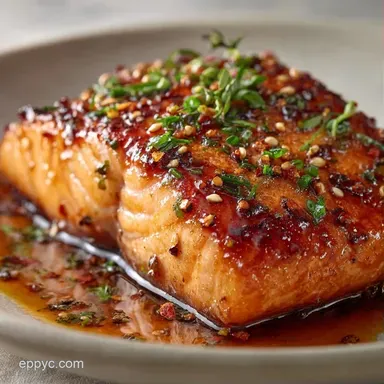
Sweet Baked Salmon Filet: Caramelized and Silky
- Time: 5 min active + 15 min cook
- Flavor/Texture Hook: Sticky, honey soy glaze with flaky, tender fish
- Perfect for: Busy weeknight dinners or an impressive but low effort date night
Have you ever wondered why restaurant salmon has that glossy, dark glaze while home versions often look pale or, worse, leak that weird white stuff? I used to struggle with this. I'd either end up with a fish that tasted like a bland cracker or something so overdone it had the texture of a pencil eraser.
The shift happened when I stopped treating the oven like a slow cooker. I realized that the heat needs to be aggressive to get the honey to bubble and brown before the inside of the fish dries out. Once I figured out the timing, everything changed.
This Sweet Baked Salmon Filet isn't about fancy techniques. It's about a few smart moves with heat and moisture. You can expect a dinner that feels like a treat but takes less time than ordering takeout.
The Secret to Sweet Baked Salmon Filet
The biggest mistake people make is putting wet fish into a hot oven. When salmon is damp, the heat spends the first few minutes evaporating that water instead of searing the surface. This leads to steaming rather than roasting, which is why you lose that beautiful color.
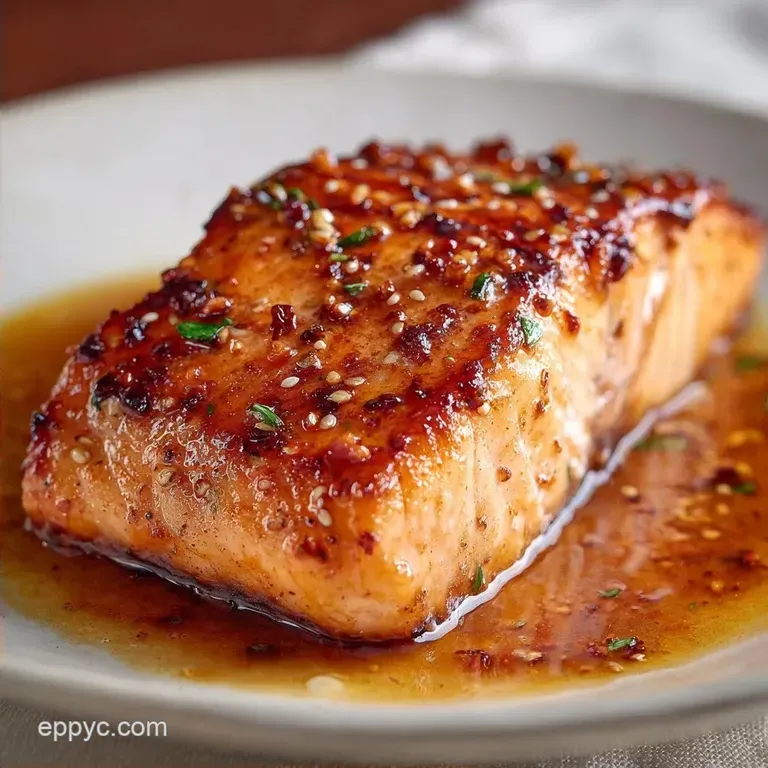
I started patting my fillets with paper towels until they were bone dry. This allows the olive oil and the honey soy glaze to stick instantly. When the fish hits the 400°F heat, the sugars in the honey caramelize immediately, creating a sticky, savory shell that locks in the moisture.
It's also about the resting period. If you cut into the fish the second it leaves the oven, the juices run out onto the plate. Letting it sit for 5 minutes allows the fibers to relax and the temperature to even out, ensuring a velvety texture from edge to edge.
Timing and Texture Details
I've tried doing this on the stove, but the oven is the way to go for consistency. Stovetop salmon is great for a crispy skin, but it's easy to burn the honey glaze before the thickest part of the fillet is cooked. The oven provides a surrounding heat that handles the glaze and the protein more evenly.
Caramelization: The honey and soy sauce react to the high heat, turning from a syrup into a sticky crust. This happens quickly at 400°F.
Internal Carryover: Protein continues to cook after it's removed from the heat. By pulling the fish at 135°F, you avoid the dreaded "dry salmon" syndrome.
Surface Tension: Using a parchment lined sheet prevents the sugars from bonding to the metal, meaning no scrubbing the pan for 20 minutes after dinner.
| Method | Time | Texture | Best For |
|---|---|---|---|
| Oven Bake | 15 min | Evenly flaky, glossy | Large fillets, meal prep |
| Stovetop | 10 min | Crispy skin, charred | Single portions, fast sear |
| Air Fryer | 12 min | Very firm, concentrated | Ultra fast, small cuts |
Ingredients and Their Roles
I don't believe in overcomplicating things. For this recipe, every ingredient serves a purpose. The soy sauce provides the salt and depth, while the lemon juice cuts through the richness of the salmon fat.
| Ingredient | Science Role | Pro Secret |
|---|---|---|
| Honey | Sugar source | Use a runny honey for easier brushing |
| Soy Sauce | Umami/Salt | Low sodium prevents the glaze from being too salty |
| Fresh Ginger | Aromatic | Grate it finely so you don't get "woody" chunks |
| Lemon Juice | Acid | Adds brightness and balances the honey's weight |
For the Salmon
- 1.5 lbs salmon fillet (skin on, center cut) Why this? Center cuts have consistent thickness for even cooking
- 1 tbsp olive oil Why this? High smoke point and helps seasonings stick
- 1/2 tsp sea salt Why this? Enhances the natural fish flavor
- 1/4 tsp ground black pepper Why this? Adds a subtle, earthy heat
For the Sweet Glaze
- 2 tbsp honey Why this? Creates the signature sticky mahogany crust
- 1 tbsp low sodium soy sauce Why this? Adds savory depth and salt
- 1 tsp fresh grated ginger Why this? Adds a zingy, fresh contrast
- 1 clove garlic, minced Why this? Provides a pungent, savory base
- 1 tsp fresh lemon juice Why this? Breaks down the heaviness of the honey
The Minimalist Tool List
You don't need a kitchen full of gadgets for this. I use a simple baking sheet and a small bowl. If you have a silicone brush, it makes the glaze application cleaner, but a spoon works just as well.
A digital meat thermometer is the only "must have" tool. According to Serious Eats, relying on a timer alone is risky because fillet thickness varies. A thermometer removes the guesswork and ensures you never overcook the fish.
Step by step Baking Guide
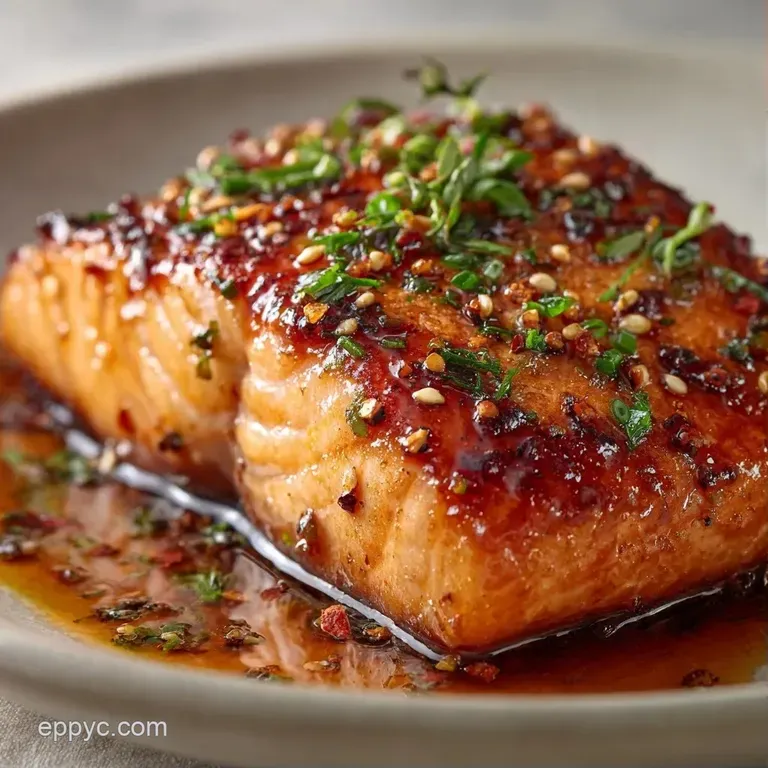
Right then, let's get into the actual process. This is where the magic happens.
- Preheat your oven to 400°F (200°C) and line a baking sheet with parchment paper. Note: Parchment is better than foil for sticky glazes.
- Pat the salmon fillets completely dry with paper towels. Note: This is the most important step for a good crust.
- Rub the fillets with olive oil and season evenly with salt and pepper.
- In a small bowl, whisk together the honey, soy sauce, ginger, minced garlic, and lemon juice until smooth.
- Generously brush the glaze over the top and sides of each fillet, ensuring an even coating.
- Place fillets on the prepared sheet and bake for 12–15 minutes until the glaze is bubbling and mahogany colored.
- Remove the fish from the oven when the internal temperature hits 135°F (57°C).
- Let it rest for 5 minutes to reach a final internal temperature of 145°F (63°C).
Avoiding Common Salmon Mistakes
The most common issue I see is the "white stuff" leaking out of the fish. That's called albumin. It's just protein that pushes out when the muscle fibers contract too quickly from high heat. While it's safe to eat, it doesn't look great. Pulling the fish at 135°F usually prevents this.
Why Your Glaze Burns
If your honey is too thick or your oven runs hot, the glaze can turn black before the fish is done. If you see this happening at the 10 minute mark, just tent a piece of foil loosely over the top to shield the sugar from the direct heat.
Why Your Salmon Sticks
Even with oil, honey can act like glue. Always use parchment paper. If you must use a pan, grease it heavily with butter or oil before adding the fish.
| Problem | Root Cause | Solution |
|---|---|---|
| White albumin leak | Overcooking/Too high heat | Pull fish at 135°F internal |
| Burnt honey crust | Sugar scorching | Tent with foil during last 5 mins |
| Dry texture | Overcooking | Rest for 5 mins before slicing |
Common Mistakes Checklist
- ✓ Did you pat the salmon dry?
- ✓ Did you use a meat thermometer instead of just a timer?
- ✓ Is the oven fully preheated to 400°F?
- ✓ Did you let the fish rest before serving?
- ✓ Did you use parchment paper to prevent sticking?
Swaps and Scaling Tips
If you're cooking for a crowd, don't just double the salt. Spices and salt don't always scale linearly. I usually increase the salt and pepper by only 1.5x when doubling the recipe. For the glaze, you can double it fully because you want plenty of it to brush on.
If you're making a single fillet, reduce the bake time by about 20%. Smaller pieces have more surface area relative to their volume and cook faster.
Decision Shortcut:
- If you want more char: Broil for the last 2 minutes.
- If you want a softer texture: Pull at 130°F.
- If you want a punchier flavor: Add an extra teaspoon of lemon juice.
Substitution Options:
| Original Ingredient | Substitute | Why It Works |
|---|---|---|
| Honey | Maple Syrup | Similar sugar profile. Note: Adds a woodier, autumn flavor |
| Soy Sauce | Coconut Aminos | Lower sodium, soy free. Note: Slightly sweeter than soy |
| Fresh Ginger | Ground Ginger | Convenient. Note: Use 1/4 tsp; it's more concentrated |
For those looking for a different dinner vibe, this fish goes great with some Amish Potato Pancakes on the side for a salty sweet combo.
Storage and Zero Waste
Once you've made your Sweet Baked Salmon Filet, any leftovers should be stored in an airtight container in the fridge for up to 3 days. I don't recommend freezing cooked salmon as the texture becomes grainy, but you can freeze the raw marinated fillets for up to 2 months.
When reheating, avoid the microwave. It'll turn your fish into rubber. Instead, pop it in a 275°F oven for about 10 minutes or warm it gently in a pan with a splash of water to keep it moist.
For zero waste, don't throw away the salmon skin if you trimmed it. I like to fry the skins in a little oil until they shatter like chips. You can also save any leftover glaze to toss with steamed broccoli or asparagus. If you're feeling adventurous, you can try a different pasta side, like my Stanley Tucci Creamy Lemon Pasta, though the lemon in the pasta might compete with the honey in the salmon.
Pairing and Plating Ideas
To make this look like a pro dish, plate the salmon on a bed of wilted spinach or quinoa. Drizzle any leftover pan juices over the top for extra gloss. A sprinkle of toasted sesame seeds or sliced green onions adds a pop of color that contrasts beautifully with the dark glaze.
Since the salmon is quite rich and sweet, pair it with something acidic or bitter. A simple arugula salad with a sharp vinaigrette or some roasted Brussels sprouts works perfectly to balance the meal.
Trust me on this: don't over garnish. The mahogany crust of the Sweet Baked Salmon Filet is the star of the show. Keep the sides simple and let the flavors do the talking. Right then, get your oven preheating and give this a go!
Recipe FAQs
How long to bake salmon fillet in the oven?
Bake for 12 15 minutes at 400°F (200°C). Remove the fish when the internal temperature hits 135°F (57°C) and let it rest for 5 minutes to reach a final temperature of 145°F (63°C).
Should you bake salmon at 350 or 400?
Stick with 400°F (200°C). This higher heat is essential to caramelize the honey and soy sauce into a mahogany glaze without overcooking the fillet.
How to bake salmon fillet with soy sauce and honey?
Whisk together honey, soy sauce, ginger, garlic, and lemon juice. Brush this mixture over olive oil-rubbed fillets and bake at 400°F for 12 15 minutes until bubbling.
Is it true that salmon is only done when it flakes easily with a fork?
No, this is a common misconception. While flaking is a helpful cue, using a meat thermometer to hit 135°F (57°C) before resting is the only way to ensure the fish remains juicy.
How to store and reheat leftover baked salmon?
Store in an airtight container in the fridge for up to 3 days. Reheat in a 275°F oven for 10 minutes or warm gently in a pan with a splash of water to avoid a rubbery texture.
How to get the best crust on baked salmon?
Pat the fillets completely dry with paper towels before adding olive oil. Removing surface moisture prevents the fish from steaming and allows the glaze to adhere and brown properly.
What is the best side dish to pair with this sweet salmon?
Serve it with a toasted, crusty bread. If you enjoyed mastering the temperature control here, see how the same precision works in our Sourdough Bread for a perfect pairing.
Sweet Baked Salmon Filet