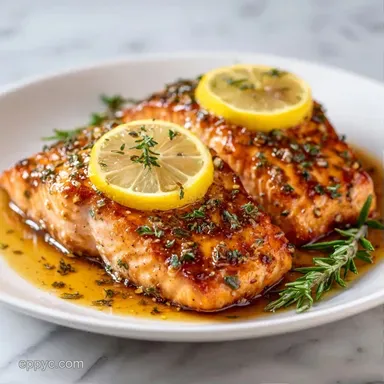
Lemon Honey Glazed Salmon: Sticky and Sweet
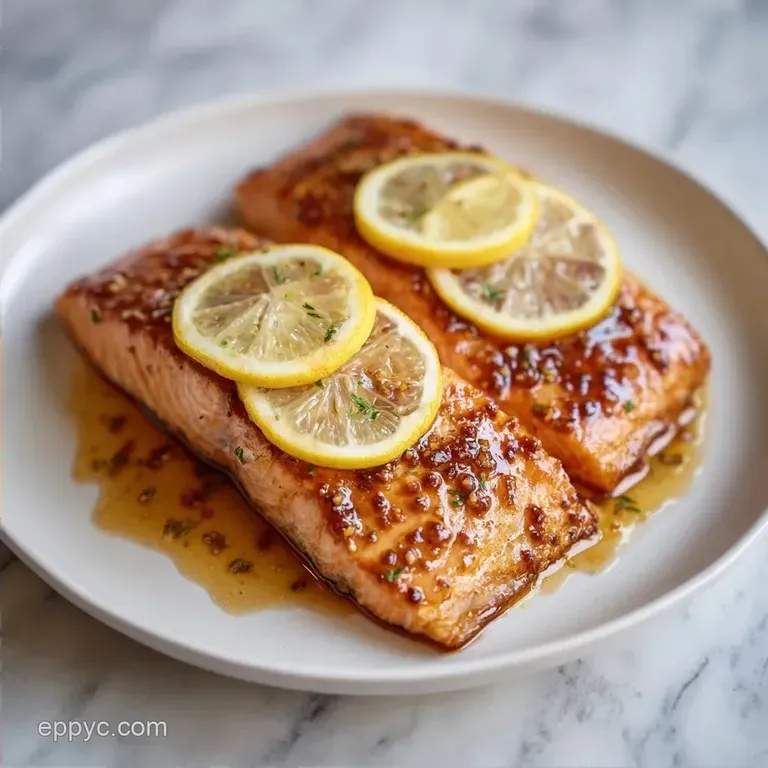
- Time: 5 min active + 15 min cook
- Flavor/Texture Hook: Sticky, caramelized glaze with a bright, citrusy finish
- Perfect for: Stress free weeknight dinners or a healthy date night
- Lemon Honey Glazed Salmon
- Why This Dish Wins
- Component Analysis
- Smart Shopping List Guide
- Essential Tools for Success
- Step by Step Cooking
- Avoiding Common Cooking Fails
- Troubleshooting Common Issues
- Adjusting the Portion Size
- Truths About Fish
- Storage and Reheating
- Serving and Pairing Ideas
- Recipe FAQs
- 📝 Recipe Card
Lemon Honey Glazed Salmon
That sound of the glaze bubbling in the oven is honestly the best part of my Tuesday nights. I remember the first time I tried a honey based glaze, I let it sit too long on the heat and it turned into a bitter, burnt mess.
I realized then that the trick isn't about how much sugar you add, but how you manage the heat so it caramelizes without scorching.
Now, I lean heavily on raw honey for this. I’ve tried maple syrup or brown sugar, but they don't give you that specific, glossy tackiness. Raw honey has a deeper, more floral note that plays off the salt and lemon in a way that feels balanced, not just sugary.
You can expect a dish that looks like it took an hour of effort but actually comes together in under 25 minutes. The salmon stays tender, and the glaze creates a thin, flavorful shell that locks everything in.
Why This Dish Wins
- Sugar Shield: Honey creates a protective layer on the fish, which slows down moisture loss during the over high heat bake.
- Acid Balance: The lemon juice breaks down the heavy sweetness of the honey, making the flavor bright instead of cloying.
- Heat Conduct: Using a rimmed baking sheet allows the glaze to pool slightly around the edges, essentially poaching the bottom of the fillet in honey butter flavors.
- Smoky Depth: Smoked paprika adds a "grilled" flavor even though this is entirely oven baked.
| Method | Time | Texture | Best For |
|---|---|---|---|
| Oven Baked | 15 mins | Uniform, glossy | Meal prep, families |
| Air Fryer | 10 mins | Crispier edges | Single servings, speed |
| pan fried | 12 mins | Seared, flaky | Restaurant style plating |
Component Analysis
| Ingredient | Science Role | Pro Secret |
|---|---|---|
| Raw Honey | Thickener & Glaze | Use raw for a bolder, more complex floral taste |
| Lemon Juice | pH Balancer | Fresh squeezed only, bottled is too metallic |
| Smoked Paprika | Color & Aroma | Adds a charred note without using a grill |
| Salmon Fillets | Main Protein | Pat them bone dry to get the glaze to stick |
Smart Shopping List Guide
For the fish, I always go for center cut fillets. They have a consistent thickness, so you don't end up with one end overcooked and the other raw. If you're buying from the counter, ask for "skin on" even if you don't eat the skin, as it protects the meat from the heat of the pan.
The honey is the real star here. I prefer a raw, unfiltered honey because it's thicker and more aromatic. If you're in a pinch, regular honey works, but avoid the "honey flavored" syrups that are mostly corn syrup. Those just make the fish taste like candy.
Ingredients: 4 salmon fillets (approx 1.5 lbs) Why this? Standard size for even cooking across the tray Salt to taste Black pepper to taste 1/4 cup raw honey Why this? Provides the sticky, caramelized texture 2 tbsp fresh lemon juice
Why this? Cuts through the fatty oils of the salmon 1 tbsp olive oil Why this? Emulsifies the glaze and prevents sticking 3 cloves garlic, minced Why this? Adds a sharp, savory punch 1/2 tsp smoked paprika Why
This? Gives a hint of wood fire flavor 1/4 tsp red pepper flakes Why this? Subtle heat to wake up the palate 1 lemon, thinly sliced into rounds Why this? Adds visual appeal and extra citrus oil 1 tbsp fresh parsley, chopped
Why this? Fresh, green contrast to the heavy glaze
| Original Ingredient | Substitute | Why It Works |
|---|---|---|
| Raw Honey | Maple Syrup | Similar sweetness. Note: Lacks the thickness, may be runnier |
| Salmon | Steelhead Trout | Very similar fat content and flavor profile |
| Olive Oil | Melted Butter | Adds richness. Note: Browns faster, watch for burning |
| Smoked Paprika | Sweet Paprika | Adds color. Note: Lacks the smoky depth |
Essential Tools for Success
You don't need a fancy kitchen for this, but a few things make it easier. A rimmed baking sheet is a must, otherwise, the honey glaze will run right off the edge and into your oven, which is a nightmare to clean. Parchment paper is my best friend here, as it makes cleanup a two second job.
I also suggest a digital meat thermometer. Salmon is incredibly easy to overcook, and the difference between "silky" and "dry" is only about 5 degrees. According to Serious Eats, pulling fish slightly before it hits the target temp is the key to success.
Step by step Cooking
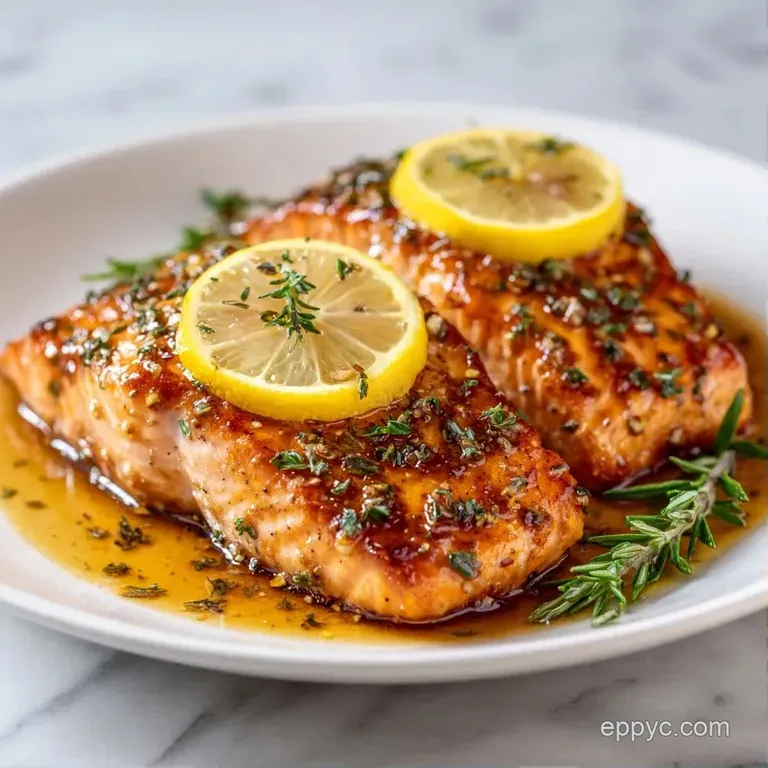
Phase 1: Preparing the Base 1. Line a large rimmed baking sheet with parchment paper. 2. Pat the salmon fillets completely dry with paper towels. Note: Moisture on the surface prevents the glaze from adhering 3. Season both sides lightly with salt and pepper.
Phase 2: Emulsifying the Glaze 4. In a small mixing bowl, whisk together the honey, lemon juice, olive oil, minced garlic, smoked paprika, and red pepper flakes. 5. Stir until the mixture is glossy and uniform. Note: The oil helps the honey stay fluid and spread evenly
Phase 3: The Cooking Process 6. Place the fillets on the prepared baking sheet. 7. Spoon the glaze generously over the tops and sides of each fillet. 8. Nestle the lemon slices around and on top of the fish. 9.
Bake at 400°F (200°C) for 12–15 minutes until the glaze bubbles and the salmon reaches an internal temperature of 135°F (57°C).
Phase 4: The Finishing Touch 10. Remove from the oven and let the salmon rest for 3 minutes. Note: This allows carryover heat to finish the center 11. Drizzle any remaining pan juices over the fillets. 12. Garnish with fresh chopped parsley.
Avoiding Common Cooking Fails
One of the most frequent issues is the "white stuff" (albumin) leaking out of the fish. This is just protein, and while it's harmless, it happens when the fish is cooked too fast or too hot. Keeping the oven at exactly 400°F helps minimize this.
If your glaze isn't thickening, it's usually because the fillets were too wet when you started. The water mixes with the honey and creates a sauce instead of a glaze. Always pat the fish dry, then dry it again.
Troubleshooting Common Issues
| Issue | Solution |
|---|---|
| Why Your Salmon Is Dry | Overcooking is the number one enemy. If you leave the fish in until it's "opaque" all the way through, you've already gone too far. |
| Why the Glaze Is Burnt | Honey has a low burn point. If your fillets are very thin, they might cook faster than the 12 minute mark. Start checking at 10 minutes if you're using thin tails. |
| Why the Fish Sticks | If you skip the parchment paper or the olive oil in the glaze, the sugars in the honey will act like glue on your pan. |
Common Mistakes Checklist
- ✓ Did you pat the salmon dry?
- ✓ Is the oven fully preheated to 400°F?
- ✓ Did you use a rimmed pan to catch the drips?
- ✓ Did you check the temp at 12 minutes?
- ✓ Did you let the fish rest for 3 minutes?
Adjusting the Portion Size
When you're cooking for just yourself, you can easily halve the recipe. Just be careful with the garlic and red pepper flakes; I usually keep those at full strength even for two fillets because they provide the primary flavor punch. Use a smaller baking sheet so the glaze doesn't spread too thin and burn.
If you're feeding a crowd, don't crowd the pan. If the fillets are touching, they'll steam instead of roast, and you'll lose that beautiful caramelized edge. Work in batches or use two separate trays. If using two racks in the oven, swap the trays halfway through the 15 minute cook time to ensure even browning.
For those who love a different flavor profile, you might enjoy a Soy Sauce Glazed Salmon for a more savory, umami heavy dinner.
Truths About Fish
Searing meat or fish does not "seal in juices." This is an old myth. Moisture loss happens regardless of how you start the cook. The sear, or in this case the glaze, is strictly for flavor and texture.
Some people think you have to cook salmon until it's light pink throughout. In reality, the most tender salmon is served medium, with a slightly translucent center. As long as it's hit the safe internal temperature, it's good to go.
Storage and Reheating
Store any leftovers in an airtight container in the fridge for up to 3 days. Don't bother freezing glazed salmon; the honey and lemon can alter the texture of the fish during the thawing process, making it mushy.
To reheat, avoid the microwave if you can. It turns salmon into rubber. Instead, put the fillets in a 275°F (135°C) oven for about 10 minutes, or until just warmed through.
If the glaze has dried out, add a tiny squeeze of fresh lemon juice to wake up the flavors.
If you have leftover lemon slices from the pan, don't toss them! They've been infused with honey and salmon oils. I like to chop them up and stir them into a Crunchy Ramen Noodle Asian Salad for an extra zing of acidity.
Serving and Pairing Ideas
This dish is naturally sweet and tangy, so you want sides that provide a neutral or earthy contrast. Roasted asparagus or steamed broccoli work wonders here. The char of the vegetables balances the honey glaze perfectly.
If you want something heartier, serve it over a bed of quinoa or jasmine rice. The rice soaks up the extra honey lemon drippings from the pan, which is basically liquid gold. A glass of chilled Sauvignon Blanc or a crisp sparkling water with lime completes the meal.
Decision Shortcut: If you want it extra spicy, double the red pepper flakes. If you want a deeper char, broil the fish for the last 2 minutes. If you're watching sugar, replace honey with a small amount of maple syrup.
Recipe FAQs
What is a good honey glaze for salmon?
A blend of raw honey, lemon juice, olive oil, garlic, smoked paprika, and red pepper flakes. This combination creates a glossy coating that balances sweetness with a touch of heat and acidity.
How do you bake salmon with honey lemon?
Whisk the glaze ingredients, spoon them over dried fillets, and bake at 400°F (200°C). Cook for 12 15 minutes until the internal temperature reaches 135°F (57°C), then let the fish rest for 3 minutes.
Is it true that salmon must be cooked until completely opaque to be safe?
No, this is a common misconception. Cooking until fully opaque often results in overcooked, dry fish; instead, rely on a meat thermometer to hit 135°F for a moist texture.
How do I stop the glaze from burning?
Check thin fillets starting at 10 minutes. Because honey has a low burn point, monitoring the oven closely prevents the sugars from scorching before the fish is done.
Can I use this recipe for a quick weeknight meal?
Yes, it takes only 23 minutes total. With just 5 minutes of prep and 15 minutes of cooking, it is an ideal choice for busy schedules.
How do I reheat leftover glazed salmon without it becoming rubbery?
Warm the fillets in a 275°F (135°C) oven for about 10 minutes. Avoid using a microwave, as it overcooks the proteins and ruins the delicate texture of the salmon.
What should I serve with this salmon for a complete meal?
Pair it with boiled asparagus to balance the sweetness. The creamy elements of a side dish complement the bright, acidic notes of the lemon glaze.
Lemon Honey Glazed Salmon