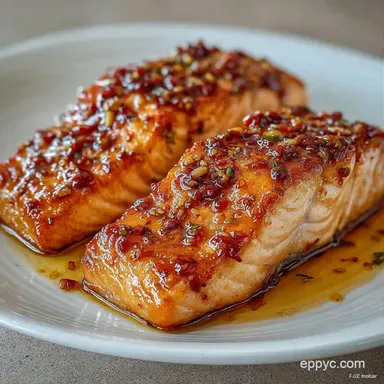
Quick Weeknight Salmon Glaze: Honey Garlic Baked
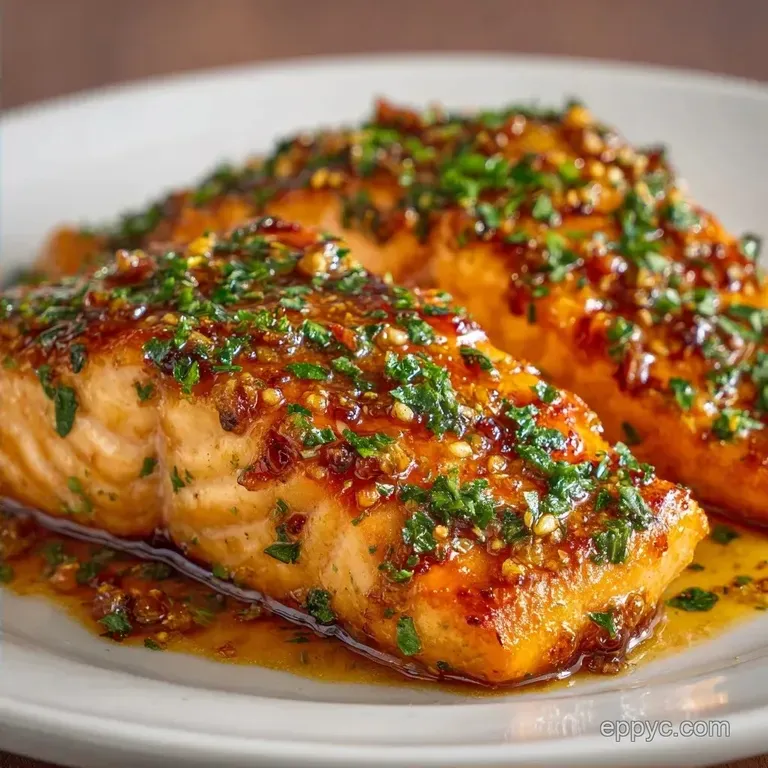
- Time: 5 min active + 12 min cook
- Flavor/Texture Hook: Sticky, charred exterior with velvety, flaky centers
- Perfect for: Hectic Tuesday nights, healthy meal prep, or beginner cooks
- Quick Weeknight Salmon Glaze Secrets
- Why This Glaze Actually Works
- Ingredient Deep Dive
- Essential Ingredients and Swaps
- Tools for the Job
- Step-by-Step Cooking Guide
- Solving Common Salmon Problems
- Flavor Twists and Diet Changes
- Adjusting Serving Sizes
- Truth About Salmon Myths
- Saving and Reheating Leftovers
- The Best Side Pairings
- Recipe FAQs
- 📝 Recipe Card
Quick Weeknight Salmon Glaze Secrets
That sudden, sharp sizzle when the broiler hits the honey is the best part. It's that moment where the sugar bubbles up and turns a deep, mahogany brown, smelling like a high end bistro right in your own kitchen.
I used to think you needed a heavy cast iron skillet or an expensive air fryer to get that charred look, but honestly, a simple baking sheet and a few minutes of high heat do the job better.
Forget the myth that salmon is too temperamental for the oven. People tell you it's easy to overcook or that you have to sear it first to "lock in juices," but that's just not true. Searing is for flavor, not for moisture.
By using a Quick Weeknight Salmon Glaze, you get the flavor hit on the surface while the oven gently brings the center to that perfect, translucent flake.
This recipe is all about speed and contrast. You've got the salty punch of soy sauce hitting the sweetness of honey, balanced out by a squeeze of lemon to keep it from feeling too heavy. It's a reliable, comforting meal that doesn't require a mountain of dishes or an hour of hovering over the stove.
Why This Glaze Actually Works
Sugar Caramelization: Honey contains fructose and glucose, which brown quickly under high heat. This creates that sticky, charred crust we love.
Fat Emulsification: Melted butter blends with the lemon juice and soy, creating a thicker sauce that clings to the fish instead of sliding off.
Acid Balance: The lemon juice breaks down the richness of the salmon's omega-3 fats, making the flavor feel brighter and less "fishy."
Controlled Heat: Baking at 400°F cooks the protein evenly, while the final broiler blast adds the visual and taste appeal of a grill.
| Method | Time | Texture | Best For |
|---|---|---|---|
| Oven + Broiler | 20 mins | Sticky & Flaky | Weeknights |
| Pan Sear | 15 mins | Crispy Skin | Date Night |
| Poaching | 25 mins | Soft & Silky | Light Lunch |
I've found that the difference between a "good" piece of fish and a "great" one is usually just how you handle the surface moisture. If the fish is wet, the glaze just slides off. If it's bone dry, the sauce grips the protein and caramelizes instantly.
Ingredient Deep Dive
| Ingredient | Science Role | Pro Secret |
|---|---|---|
| Honey | Thickener/Sweetener | Use a runny honey for easier mixing |
| Soy Sauce | Umami/Salt | Low sodium prevents the glaze from tasting like a salt lick |
| Lemon Juice | Acid/Tenderizer | Fresh is non negotiable for that bright "zing" |
| Unsalted Butter | Mouthfeel/Fat | Melt it slightly to help the glaze emulsify |
Essential Ingredients and Swaps
For the fish: - 4 salmon fillets, approx 6 oz each (170g) - 1/2 tsp salt Why this? Basic seasoning to draw out flavors - 1/4 tsp black pepper Why this? Adds a subtle, woody heat - 1 tbsp olive oil Why this? Prevents sticking to the
Parchment
For the Quick Salmon Glaze Recipe: - 1/3 cup honey Why this? Provides the primary sticky texture - 2 tbsp low sodium soy sauce Why this? Adds depth and salty contrast - 1 tbsp fresh lemon juice Why this? Cuts through the fat
- 3 cloves garlic, minced Why this? Adds a savory, aromatic punch - 1 tbsp unsalted butter, melted Why this? Smooths out the texture
| Original Ingredient | Substitute | Why It Works |
|---|---|---|
| Honey | Maple Syrup | Similar sugar content. Note: Adds a distinct woody/autumn flavor |
| Soy Sauce | Tamari | gluten-free alternative. Note: Slightly richer, saltier taste |
| Lemon Juice | Rice Vinegar | Similar acidity. Note: Less citrusy, more fermented profile |
| Butter | Coconut Oil | Same fat role. Note: Adds a subtle tropical note |
Tools for the Job
You don't need a professional kitchen for this, but a few basics make it smoother. A rimmed baking sheet is a must so the honey doesn't drip all over your oven floor. Parchment paper is my best friend here, because cleaning burnt honey off a metal tray is a nightmare I wouldn't wish on anyone.
I also recommend a small whisk and a silicone brush. The brush lets you really pack the Quick Weeknight Salmon Glaze onto the fillets, ensuring every inch gets that caramelized treatment. If you don't have a brush, a spoon works, but you'll likely end up with "bald spots" on your fish.
Step-by-step Cooking Guide
1. The Setup
Preheat your oven to 400°F (200°C). Line your baking sheet with parchment paper. Now, grab your paper towels and pat the salmon fillets bone dry. Note: This is the most important step for a sticky crust. Season them lightly with salt and pepper.
2. The Glaze Application
In a small bowl, whisk the honey, soy sauce, lemon juice, minced garlic, and melted butter until the mixture is smooth and velvety. Place your fillets on the tray, drizzle a bit of olive oil underneath them, and brush a generous layer of the glaze over the top.
3. The Heat Phase
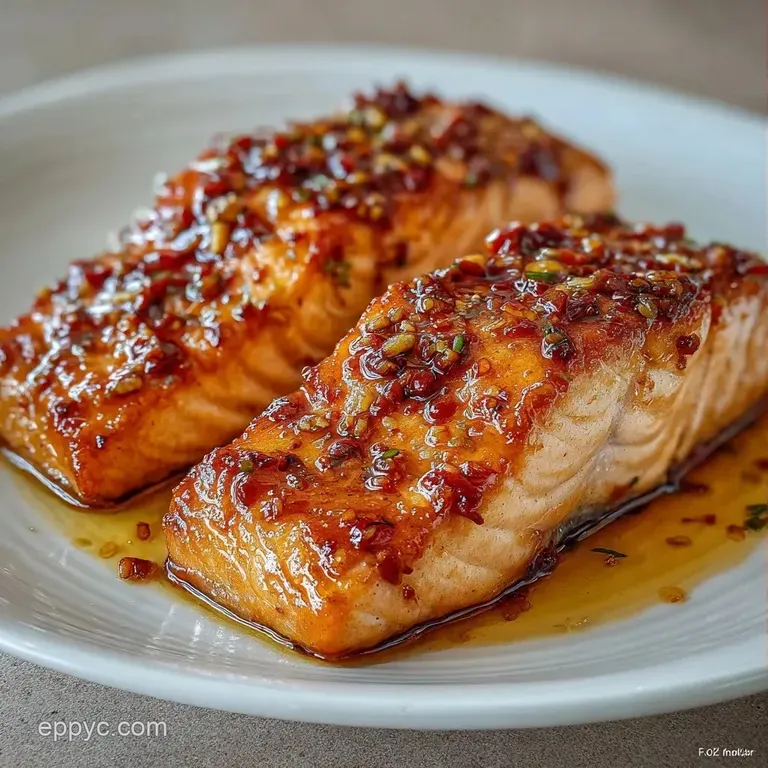
Slide the tray into the oven and bake for 10–12 minutes. You're looking for the fish to turn opaque and the glaze to start bubbling. For that professional charred look, turn on the broiler for the final 2 minutes.
Watch it like a hawk until the glaze is bubbling and charred in spots.
4. The Final Touch
Pull the tray out and let the fish rest for 3 minutes. Don't skip the rest, or you'll lose those precious juices. Pour any remaining pan juices from the parchment paper back over the fillets before serving.
Chef's Note: If you're using very thick fillets (over 1 inch), give them an extra 2 minutes of baking time before you hit them with the broiler.
Solving Common Salmon Problems
Why Your Glaze Burnt
Honey is basically liquid sugar, and sugar burns fast. If your glaze turned black before the fish was cooked, your broiler might be too powerful or the fillets were too thin. Next time, keep the fish slightly further from the top heating element.
Salmon Feels Rubbery
This happens when the internal temperature goes too high. According to Serious Eats, salmon is best when pulled slightly before it reaches the target temp, as carryover heat finishes the job. Aim for a medium center that still looks slightly translucent.
Glaze Is Too Thin
If the sauce didn't thicken, it's usually because the honey was too watery or the oven wasn't hot enough. Make sure you're using a thick, clover or wildflower honey and that your oven is fully preheated to 400°F.
| Problem | Root Cause | Solution |
|---|---|---|
| Sticky Mess | No parchment | Use parchment or a silicone mat |
| Bland Taste | Too much honey | Add an extra squeeze of lemon |
| Dry Fish | Overbaked | Use a meat thermometer (125-135°F) |
Common Mistakes Checklist
- ✓ Patting the fish dry with paper towels
- ✓ Using low sodium soy to avoid over salting
- ✓ Broiling only in the final 2 minutes
- ✓ Letting the fish rest before serving
- ✓ Using fresh lemon juice instead of bottled
Flavor Twists and Diet Changes
If you want something a bit more savory and less sweet, you can lean into a soy sauce glazed salmon style by doubling the soy and cutting the honey in half. It changes the profile from "sticky sweet" to "umami rich."
For those watching their sugar, you can swap the honey for a monk fruit syrup. It won't caramelize quite as deeply, but the flavor is remarkably close. If you're avoiding dairy, coconut oil replaces the butter perfectly without changing the overall vibe of the Quick Weeknight Salmon Glaze.
Another fun tweak is adding a pinch of red pepper flakes or a teaspoon of Sriracha to the glaze. This adds a "hot honey" element that contrasts beautifully with the fatty salmon. Just be careful not to overdo it, or you'll mask the delicate flavor of the fish.
Adjusting Serving Sizes
Cooking for one or two? If you're halving the recipe, use a smaller baking sheet. If the pan is too large, the glaze in the pan juices can burn before the fish is done. Reduce the baking time by about 2 minutes, but keep the broiler time the same to ensure that crust forms.
Feeding a crowd? When doubling or tripling the batch, don't crowd the pan. If the fillets are touching, they'll steam instead of roast, and you'll lose that charred edge. Work in batches or use two separate trays.
Also, only increase the salt and pepper to 1.5x the original amount, as the soy sauce provides plenty of sodium.
Truth About Salmon Myths
One big lie is that you need to "seal" the fish with a over high heat sear to keep it moist. In reality, searing creates a crust for taste, but it doesn't stop moisture from escaping. The moisture loss happens because of the internal temperature, not the lack of a sear.
Another myth is that you should cook salmon until it's opaque all the way through. If you do that, you've overcooked it. The center should remain a slightly lighter pink to keep the texture velvety and moist.
Saving and Reheating Leftovers
Store any leftover fillets in an airtight container in the fridge for up to 3 days. I actually love cold glazed salmon on a salad the next morning. If you must freeze it, wrap each fillet tightly in foil and place them in a freezer bag for up to 2 months.
To reheat without drying the fish out, avoid the microwave. Instead, place the salmon in a 250°F oven for about 10 minutes. This gently warms the fats without continuing to cook the protein. If the glaze looks dull, brush on a tiny bit of extra melted butter before warming.
For zero waste, take any leftover glaze in the pan and whisk it into a quick sauce for steamed broccoli or sautéed spinach. The honey and soy combination makes a fantastic vegetable glaze that ties the whole meal together.
The Best Side Pairings
Since this Quick Weeknight Salmon Glaze is quite rich and sweet, you need sides that offer a fresh contrast. I highly recommend a crunchy ramen noodle asian salad to add a vinegary snap and a lot of texture to the plate.
If you want something warmer, steamed bok choy or roasted asparagus are classic choices. The bitterness of the greens cuts through the honey perfectly. For a starch, a simple scoop of jasmine rice or quinoa works best, as it absorbs the extra glaze from the pan.
Avoid sides that are too sweet, like honey glazed carrots, or the whole meal will feel like a dessert. Stick to citrus, salt, and crunch to keep the flavors balanced and exciting.
Recipe FAQs
What is a good glaze to put on salmon?
A combination of honey, soy sauce, lemon juice, garlic, and melted butter. This mixture balances sweetness and acidity to complement the natural richness of the fish.
Do you glaze salmon before or after cooking?
Glaze before baking. Brushing the honey soy mixture on the fillets before they enter the oven allows the sugars to caramelize and create a flavorful crust.
How do you cook salmon in the oven?
Preheat your oven to 400°F (200°C). Place seasoned fillets on a parchment lined tray and bake for 10 12 minutes, finishing with 2 minutes under the broiler for a charred effect.
What is a great and easy salmon recipe?
This honey soy glaze recipe is a top choice. It requires only 5 minutes of prep and pairs perfectly with fluffy rice for a complete weeknight meal.
What are some other ways to cook salmon besides baking it?
Pan-searing, poaching, or grilling. These methods offer different textures, such as a crispier skin from searing or a more delicate flake from poaching.
What is the best way to cook king salmon?
Bake at 400°F (200°C) to preserve its high fat content. King salmon is oilier than other varieties, so a quick roast keeps the interior moist without making the fish feel too greasy.
What to drizzle on salmon?
The reserved pan juices. After letting the fish rest for 3 minutes, pour the remaining glaze from the baking sheet back over the fillets for maximum flavor.
Quick Weeknight Salmon Glaze