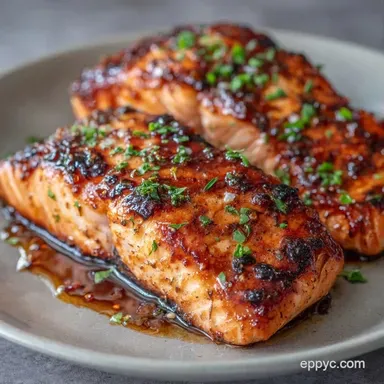
Fast Prep Glazed Salmon: Caramelized and Sticky
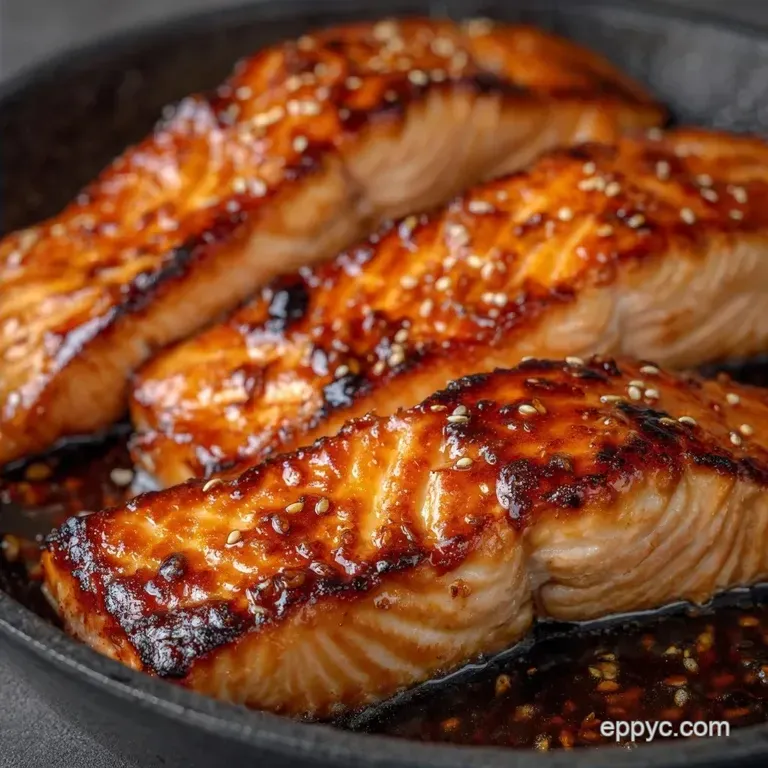
- Time: 5 min active + 10 min cooking
- Flavor/Texture Hook: Shatter crisp edges with a velvety, sweet salty center
- Perfect for: Hectic Tuesday nights or a quick date night dinner
- Fast Prep Glazed Salmon
- Why These Flavors Work
- Component Analysis
- Your Ingredient Essentials
- Necessary Kitchen Tools
- Step By Step Process
- Fix Common Cooking Errors
- Troubleshooting Common Issues
- Custom Flavor Variations
- Scale Your Batch
- Kitchen Myths
- Storage And Freshness
- The Best Side Pairings
- Recipe FAQs
- 📝 Recipe Card
Fast Prep Glazed Salmon
Ever wonder why restaurant salmon has that glass like shine and a crust that almost tastes like candy? I used to think it was some secret industrial glaze or a professional torch. It turns out it's just about how you handle the sugar and the heat.
When those sugars hit a 400°F oven, they don't just melt, they transform into a sticky lacquer that clings to the fish.
I remember the first time I tried to rush this. I didn't pat the fillets dry, and instead of a crust, I got a soggy, steamed mess. The glaze just slid off. But once I realized that moisture is the enemy of the sear, everything changed.
Now, this is my go to when I have exactly 15 minutes to get dinner on the table before the kids start acting like feral animals.
You can expect a dish that hits every taste bud. The salt from the soy, the zing from the lemon, and that deep, comforting sweetness from the honey and brown sugar. It's fast, it's punchy, and it feels way more expensive than it actually is.
Why These Flavors Work
- Sugar Layering: Mixing honey and brown sugar creates two different types of sweetness. Honey provides a floral, sticky base, while brown sugar adds a molasses depth that browns faster under the broiler.
- Acidic Cut: Fresh lemon juice breaks through the fat of the salmon and the heaviness of the sugar. This prevents the dish from tasting like a dessert.
- Salt Balance: Soy sauce doesn't just add salt, it adds umami. This anchors the sweetness and gives the glaze that signature dark color.
- Oil Barrier: A light coating of olive oil prevents the fillets from sticking to the foil and helps the sea salt adhere to the flesh.
| Method | Prep Time | Texture | Best For |
|---|---|---|---|
| Fast Prep | 5 minutes | Sticky & Charred | Weeknights |
| Classic | 25 minutes | Silky & Glazed | Sunday Dinner |
| Pan Seared | 15 minutes | Crispy Skin | Gourmet Lunch |
Component Analysis
| Ingredient | Science Role | Pro Secret |
|---|---|---|
| Honey | Thickener | Use a runny honey for easier whisking |
| Brown Sugar | Caramelization | Pack it tight for a deeper molasses hit |
| Soy Sauce | Umami Base | Low sodium lets you control the salt better |
| Lemon Juice | PH Balancer | Use fresh, not bottled, for the brightness |
Your Ingredient Essentials
- 4 salmon fillets, 6 oz (170g) each Why this? Uniform size ensures they all finish at the same time
- 1/2 tsp (3g) sea salt Why this? Coarse grains draw out surface moisture
- 1/4 tsp (1g) cracked black pepper Why this? Adds a woody heat to counter the honey
- 1 tbsp (14g) olive oil Why this? High smoke point and neutral flavor
- 3 tbsp (42g) honey Why this? Creates the "glass" finish
- 2 tbsp (25g) packed brown sugar Why this? Fast acting browning agent
- 2 tbsp (30ml) soy sauce Why this? Provides the salt and deep color
- 1 tbsp (15ml) fresh lemon juice Why this? Cuts the richness of the omega-3s
- 2 cloves (6g) garlic, minced Why this? Adds a pungent, aromatic bass note
Ingredient Swaps
| Original Ingredient | Substitute | Why It Works |
|---|---|---|
| Honey (3 tbsp) | Maple Syrup (3 tbsp) | Similar viscosity. Note: Adds a distinct woody/autumnal flavor |
| Brown Sugar (2 tbsp) | Coconut Sugar (2 tbsp) | Similar caramelization. Note: Slightly more toasted taste |
| Soy Sauce (2 tbsp) | Tamari (2 tbsp) | gluten-free alternative. Note: Slightly saltier profile |
Necessary Kitchen Tools
You don't need a fancy setup for this. A large rimmed baking sheet is the star here. I highly recommend lining it with aluminum foil, not just for easy cleanup, but because the sugar in the glaze will essentially weld itself to your pan if you don't.
You'll also need a small mixing bowl and a whisk. A silicone pastry brush is a lifesaver for getting that glaze on thick. If you don't have one, a spoon works, but you'll lose some of that smooth, lacquered look. Trust me, a cheap brush makes a difference.
Step by step Process
- Line a large rimmed baking sheet with aluminum foil. Pat the salmon fillets completely dry with paper towels. Note: Wet fish will steam, not sear.
- Rub each fillet with olive oil. Season with sea salt and cracked black pepper.
- In a small bowl, whisk together the honey, brown sugar, soy sauce, lemon juice, and minced garlic.
- Mix until the sugar granules have mostly dissolved and the glaze is smooth.
- Generously brush the prepared glaze over the top of each salmon fillet.
- Bake at 400°F (200°C) for 8-10 minutes.
- Watch until the fish is opaque but still slightly translucent in the center.
- Turn the broiler on for the final 2 minutes.
- Broil until the glaze bubbles and turns a deep mahogany brown.
- Remove from oven and let rest for 2 minutes before serving.
Chef's Note: To get those professional looking charred edges, don't be afraid of the broiler. Just stay right there and watch it. It can go from "perfectly charred" to "burnt carbon" in about 15 seconds.
Fix Common Cooking Errors
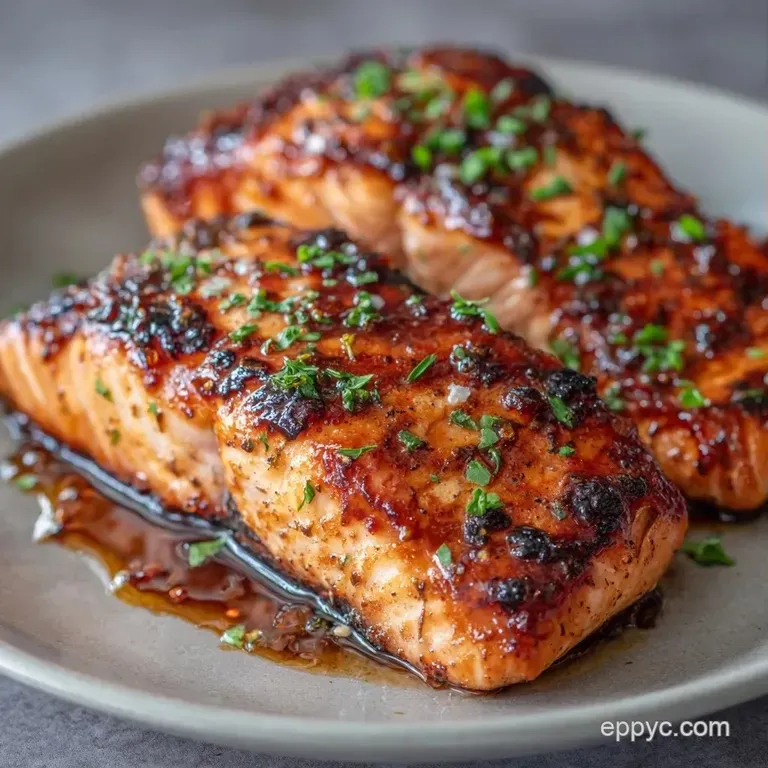
Troubleshooting Common Issues
| Issue | Solution |
|---|---|
| Why Your Salmon is Sticky | If the fillets are glued to the foil, you likely didn't use enough oil or the foil is too thin. High sugar glazes act like glue when they hit heat. |
| Why Glaze Burnt Quickly | The broiler is powerful. If your oven runs hot, the sugar can burn before the fish is cooked. If you see the glaze turning black too fast, slide the pan to the lower rack. |
| Why White Stuff Appears | That white gunk is albumin. It's just a protein that pushes out when the fish is cooked too fast or too long. It's safe to eat, but for a cleaner look, avoid overcooking the center. |
Common Mistakes Checklist
- ✓ Did you pat the salmon dry?
- ✓ Is the oven fully preheated to 400°F?
- ✓ Did you use a rimmed sheet to catch glaze drips?
- ✓ Did you watch the broiler constantly?
- ✓ Did you let the fish rest for 2 minutes?
Custom Flavor Variations
If you want to change the vibe of this Fast Prep Glazed Salmon, you can tweak the glaze easily. For a spicy kick, stir in a teaspoon of Sriracha or red pepper flakes. It plays beautifully with the honey. If you're craving something more Japanese inspired, try my Soy Sauce Glazed Salmon for a different balance of salty and sweet.
Decision Shortcut If you want more char → Broil for 3 minutes instead of 2. If you want a tangier finish → Add an extra squeeze of fresh lemon at the end. If you want a thicker glaze → Simmer the glaze in a pan for 3 minutes before brushing.
When adjusting for a larger crowd, don't just double the salt. For 8 fillets, I only use 3/4 tsp of salt instead of a full teaspoon. Spices and salt don't always scale linearly, so taste your glaze before applying it.
Scale Your Batch
Scaling Down (1-2 Fillets) Use a smaller baking sheet to keep the heat concentrated. Reduce the bake time by about 20% because smaller masses of fish heat through faster. You'll still need the full broiler time for that crust.
Scaling Up (8+ Fillets) Work in batches. If you crowd the pan, the fillets will release moisture and steam each other, killing your crust. Use two separate sheets and rotate them halfway through the bake.
Temperature Adjustments If you're using a convection oven (fan on), drop the temperature to 375°F. The moving air speeds up the cooking and can burn the sugar glaze before the middle is done.
Kitchen Myths
Searing seals in juices This is a total lie. Searing creates flavor through browning, but it doesn't create a waterproof seal. Moisture loss happens regardless of how you start the cook. The goal here is flavor, not "sealing."
Skin must be removed Keep the skin on. It acts as a heat shield for the delicate flesh and provides a textural contrast to the sticky glaze. Plus, the skin contains most of the healthy fats.
Only wild salmon works Farmed Atlantic salmon is actually better for this specific recipe. It has a higher fat content, which means it's harder to overcook and carries the honey glaze more effectively.
Storage And Freshness
Fridge Storage Store leftovers in an airtight container for up to 3 days. The glaze will soak into the fish, making it even more flavorful, though you'll lose the crunch.
Freezing Guidelines I don't recommend freezing already glazed salmon. The sugar can alter the texture of the fish during the thaw. Freeze raw fillets and glaze them right before cooking.
Zero Waste Tips Don't toss the salmon skins if you remove them. Dry them out, brush with a bit of the remaining glaze, and bake at 400°F for 5 minutes. You'll have salty, sweet salmon chips that are addictive.
The Best Side Pairings
Since this Fast Prep Glazed Salmon is quite rich and sweet, you need sides that provide a crisp or creamy contrast. A simple steamed bok choy or roasted asparagus works wonders. If you want something more indulgent, these fillets go perfectly with Twice Baked Potatoes to soak up any extra glaze.
For a lighter option, a cucumber salad with rice vinegar and sesame seeds cuts through the honey perfectly. The acidity of the vinegar cleanses the palate between bites of the rich fish. Right then, you've got a full meal that looks like it took hours but actually took 15 minutes.
Trust me on this, your weeknight routine is about to get a lot easier.
Recipe FAQs
Is this a good recipe for beginners wanting an easy salmon meal?
Yes, it is designed for speed and simplicity. With only 5 minutes of prep and 10 minutes of cooking, it delivers a restaurant quality glaze without complex techniques.
How do you cook salmon in the oven using this method?
Bake at 400°F (200°C) for 8-10 minutes. Start by patting the fillets dry and rubbing them with olive oil and seasoning before applying the glaze.
Does this method work for king salmon?
Yes, king salmon handles this heat perfectly. Its higher fat content makes it very forgiving, though you should still watch the internal temperature to avoid overcooking.
How do I get a caramelized crust on the glaze?
Turn the broiler on for the final 2 minutes of cooking. Watch the fillets closely until the glaze bubbles and reaches a deep mahogany brown.
Is it true that white gunk on cooked salmon means it is spoiled?
No, this is a common misconception. That white substance is albumin, a protein that naturally pushes out when the fish is cooked too quickly or for too long.
Can I cook this glazed salmon using methods other than baking?
Yes, you can pan-sear or grill the fillets. Keep the heat moderate since the honey and brown sugar can burn quickly. If you prefer a different preparation, try our Sicilian salmon risotto.
What makes this salmon recipe so fast to prepare?
The high cooking temperature and minimal prep time. By using a 400°F oven and a simple whisk and-brush glaze, the total time from fridge to table is only 15 minutes.
Fast Prep Glazed Salmon