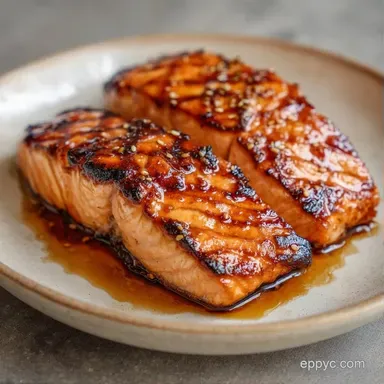
10-Minute Honey Garlic Salmon: Pan-Seared
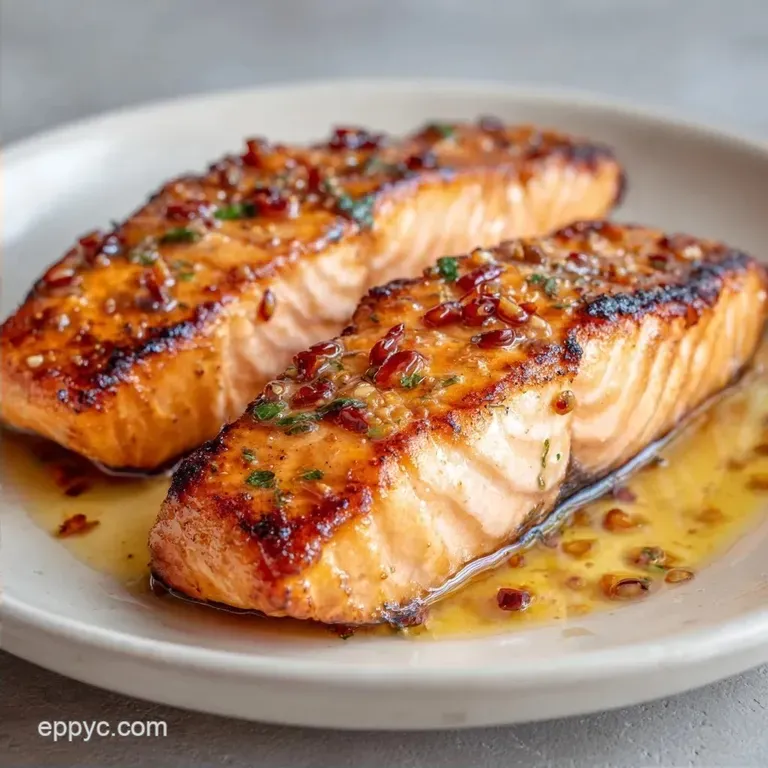
- Time: 5 min active + 10 min cooking
- Flavor/Texture Hook: Sticky, glossy glaze with a shatter crisp sear
- Perfect for: Busy weeknights or a fast, impressive date night dinner
- 10 Minute Glazed Salmon with Honey
- The Secret to Sticky Salmon
- Timing and Servings Breakdown
- The Ingredient Breakdown
- Essential Tools for Success
- Step by Step Searing Guide
- Fixing Common Salmon Mistakes
- Ways to Change the Flavor
- Adjusting the Serving Size
- Truth About Salmon Myths
- Storing and Reheating Salmon
- Best Sides for Salmon
- Recipe FAQs
- 📝 Recipe Card
10 Minute Glazed Salmon with Honey
That first sizzle when the salmon hits the hot avocado oil is the sound of success. Within seconds, the kitchen fills with the scent of searing protein and, shortly after, the sweet, pungent aroma of honey and garlic bubbling away.
There is something deeply satisfying about watching a thin liquid transform into a thick, syrupy lacquer that coats the fish in a glossy, dark gold.
I used to overcook my salmon every single time. I'd leave it in the pan too long, terrified it was raw in the middle, only to end up with something that had the texture of a dry sponge. Then I learned the power of the "sear and baste" method. You get the crust you want without sacrificing the juicy interior.
Here is the perfect recipe for a delicious 10 Minute Glazed Salmon with Honey and Garlic. It's designed for those of us who want a high end meal without spending two hours at the stove.
We're focusing on minimal tools and maximum flavor, using a few simple pantry staples to get a result that feels like it came from a professional kitchen.
The Secret to Sticky Salmon
The magic here isn't just the ingredients, but how they behave under heat. Most people make the mistake of adding the glaze too early, which leads to burnt sugar and undercooked fish. By searing the salmon first, we create a foundation of flavor before the sugars in the honey even enter the pan.
Sugar Caramelization: Honey contains fructose and glucose that break down and brown rapidly. When this happens in a hot pan, it creates a sticky film that grips the salmon.
Acid Balance: The lemon juice and soy sauce cut through the heavy sweetness of the honey. This prevents the dish from tasting like candy and instead gives it a savory, bright finish.
Heat Transfer: Using a non stick or stainless steel pan allows for direct heat contact. This ensures the fish browns in about 4 minutes per side, locking in moisture before the glaze thickens.
| Method | Time | Texture | Best For |
|---|---|---|---|
| Stovetop | 15 mins | Crispy skin, sticky glaze | Fast weeknights |
| Oven Baked | 20 mins | Even cook, softer crust | Large groups |
Timing and Servings Breakdown
This recipe is built for speed. We aren't doing any long marinades or complex prep. Everything happens in real time, which is why the timing needs to be precise.
- Prep time: 5 minutes
- Cook time: 10 minutes
- Total time: 15 minutes
- Yield: 4 servings (6 oz fillets each)
The Ingredient Breakdown
I've picked these specific ingredients because they work together to create a balanced profile. Don't skip the ginger; it adds a subtle heat that makes the whole dish pop.
Component Analysis
| Ingredient | Science Role | Pro Secret |
|---|---|---|
| Raw Honey | Glazing Agent | Use a runny honey for faster mixing |
| Soy Sauce | Umami/Salt | Low sodium prevents the glaze from being too salty as it reduces |
| Lemon Juice | Acidity | Fresh squeezed is a must; bottled tastes metallic |
| Avocado Oil | over High heat Fat | Smoke point is higher than olive oil, so it won't burn |
For the Salmon
- 4 salmon fillets, 6 oz (170g) each Why this? Standard size ensures even 10 minute cooking.
- 1/2 tsp (3g) kosher salt Why this? Coarser grains draw out surface moisture better.
- 1/4 tsp (1g) cracked black pepper Why this? Freshly cracked adds a floral heat.
- 1 tbsp (15ml) avocado oil Why this? Won't smoke at high searing temperatures.
For the Honey Garlic Glaze
- 2 tbsp (42g) raw honey Why this? Natural sugars caramelize into a mahogany sheen.
- 1 tbsp (15ml) fresh lemon juice Why this? Brightens the fish and cuts the fat.
- 1 tbsp (15ml) low sodium soy sauce Why this? Provides the deep, salty base.
- 3 cloves (9g) garlic, minced Why this? Adds a pungent, savory depth.
- 1/2 tsp (2g) grated fresh ginger Why this? Adds a zingy, fresh contrast.
| Original Ingredient | Substitute | Why It Works |
|---|---|---|
| Raw Honey | Maple Syrup | Similar viscosity. Note: Adds a woodsy, autumnal flavor |
| Soy Sauce | Tamari | gluten-free alternative. Note: Slightly richer taste |
| Avocado Oil | Grapeseed Oil | High smoke point. Note: Neutral flavor, works identically |
| Fresh Ginger | Ginger Powder | Concentrated flavor. Note: Use 1/4 tsp; less "bright" than fresh |
Essential Tools for Success
You don't need a kitchen full of gadgets for this. A few basic items will do the trick. I prefer a heavy bottomed stainless steel skillet because it holds heat better, but a high-quality non stick pan is perfectly fine if you're worried about the fish sticking.
A small whisk or fork is necessary for the glaze. If you just stir it with a spoon, the honey can stay clumped at the bottom. Also, keep a pair of fish spatulas handy. They are thin and flexible, which means you won't tear the delicate crust when you flip the fillets.
Step by step Searing Guide
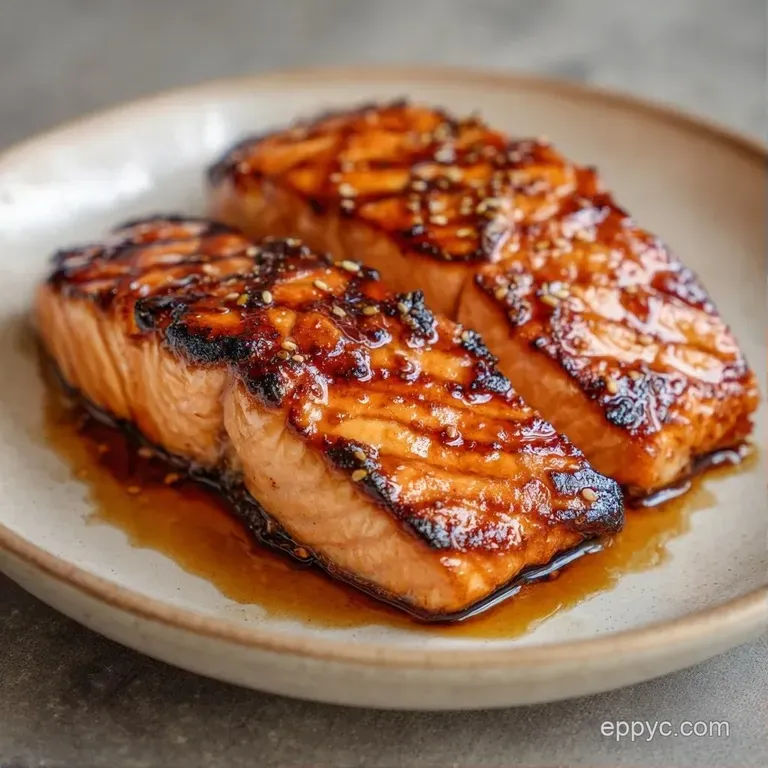
The goal here is a mahogany exterior and a medium rare to medium interior. Follow these steps exactly to avoid the dreaded "overcooked" salmon.
- Pat the salmon fillets bone dry with paper towels. Note: Water on the surface creates steam, which prevents a crisp sear.
- Season both sides with kosher salt and cracked black pepper.
- Heat avocado oil in a large skillet over medium high heat until it shimmers.
- Place fillets skin side up and sear for 3–5 minutes without moving them, until a golden brown crust forms.
- While the salmon sears, whisk together the honey, lemon juice, soy sauce, minced garlic, and ginger in a small bowl.
- Flip the fillets and immediately pour the honey garlic glaze into the pan around the fish.
- As the sauce bubbles and thickens into a syrupy consistency (about 2–3 minutes), continuously baste the top of the fillets with a spoon.
- Remove from heat once the glaze coats the fish in a glossy, mahogany sheen.
Chef's Note: Don't be tempted to move the fish during the first 3 minutes. Let it sit. The fish will naturally "release" from the pan once the crust has formed. If it sticks, it's not ready to flip.
Fixing Common Salmon Mistakes
The most common issue is the "white stuff" that leaks out of the fish. That's just albumin, a protein that pushes out when the muscles contract. It's harmless, but not pretty. To minimize it, don't overheat the pan too aggressively and let the fish rest for a few minutes before serving.
Why Your Glaze Burnt
If your sauce turns black and smells acrid, the heat was too high. Honey burns quickly once the water evaporates. Turn the heat down to medium as soon as you pour the glaze in.
Why Your Salmon Is Dry
This happens when you cook past the window. Salmon continues to cook for a few minutes after it leaves the pan. Pull it off the heat when the center is still slightly translucent.
| Problem | Root Cause | Solution |
|---|---|---|
| Glaze is too thin | Not reduced enough | Simmer for an extra 60 seconds before basting |
| Fish stuck to pan | Pan wasn't hot enough | Wait for oil to shimmer before adding fish |
| Burnt garlic | Added garlic too early | Mix garlic into the glaze, not the searing oil |
Salmon Success Checklist:
- ✓ Pat fillets completely dry before seasoning.
- ✓ Use a high smoke point oil like avocado oil.
- ✓ Do not flip the fish more than once.
- ✓ Baste constantly during the final 2 minutes.
- ✓ Remove from heat while the center is slightly underdone.
Ways to Change the Flavor
Once you have the base method down, you can play with the flavors. If you want a bit of a kick, try my Hot Honey Recipe to replace the raw honey. It adds a spicy depth that pairs beautifully with the soy sauce.
For a different take on the flavor profile, you might enjoy a Soy Sauce Glazed Salmon which leans more heavily into the salty, savory side. If you're feeling adventurous, add a teaspoon of Sriracha or red pepper flakes to the glaze for a spicy honey garlic salmon recipe.
The Air Fryer Shortcut
If you're short on time, you can put the seasoned salmon in an air fryer at 400°F (200°C) for 7–9 minutes. Brush the glaze on during the last 2 minutes of cooking. You'll lose the pan sear, but you'll get a great caramelization.
The Oven Baked Method
For larger batches, place fillets on a parchment lined tray. Bake at 400°F (200°C) for 12–15 minutes. Brush the glaze on halfway through the cooking process.
Adjusting the Serving Size
Cooking for one or cooking for a crowd requires different logic. You can't just multiply everything by four and expect the same result.
Scaling Down (1-2 fillets): Use a smaller skillet. If the pan is too large, the glaze will spread too thin and evaporate before it can coat the fish. Reduce the glaze volume by half, but keep the lemon juice the same to maintain acidity.
Scaling Up (4+ fillets): Work in batches. If you crowd the pan, the temperature drops, and the salmon will steam instead of sear. You'll end up with grey fish instead of a golden crust. Salt and spices should only be increased to 1.5x when doubling, as they can become overpowering.
Truth About Salmon Myths
You'll often hear that searing salmon "locks in the juices." This is a myth. Searing creates flavor and texture, but moisture loss happens regardless of the sear. The goal of the sear is the taste, not the "seal."
Another common misconception is that you must cook salmon until it's opaque all the way through. In reality, the most tender salmon is served medium, with a slightly translucent center. Overcooking it just leads to that dry, chalky texture we're trying to avoid.
Storing and Reheating Salmon
Salmon is best eaten immediately, but leftovers can be useful. Store the cooked fillets in an airtight container in the fridge for up to 3 days.
To reheat, avoid the microwave if possible, as it will overcook the fish in seconds, making it rubbery. Instead, place the salmon in a pan over low heat with a teaspoon of water or butter. Cover with a lid for 2-3 minutes. This steams the fish back to life without drying out the proteins.
For zero waste, don't throw away the leftover glaze in the pan. Pour it over some steamed bok choy or use it as a base for a quick stir fry. If you have salmon scraps, freeze them to make a quick salmon cake later in the week.
Best Sides for Salmon
Since this dish is rich and sweet, you need sides that provide a fresh contrast. I love serving this with a simple bed of jasmine rice or quinoa to soak up the extra glaze.
For something crunchier, a Ramen Noodle Asian Salad provides the perfect textural contrast to the velvety salmon. Alternatively, a side of steamed broccoli or a crisp cucumber salad with rice vinegar keeps the meal balanced and light.
Recipe FAQs
What is a great and easy salmon recipe for quick dinners?
This 10-minute honey garlic glaze is an ideal choice. It combines speed with a professional mahogany finish using simple pantry staples.
How do you get a golden brown crust on salmon?
Heat avocado oil in a skillet until it shimmers. Pat the fillets bone dry first to prevent steaming, then sear skin side up for 3 5 minutes without moving them.
Why is it necessary to pat the salmon dry before cooking?
Water on the surface creates steam. This prevents the fish from searing properly and stops a golden brown crust from forming.
What are some other ways to cook salmon besides baking it?
Pan-searing in a skillet is a fast and flavorful alternative. This method allows for a mahogany crust and a syrupy glaze that baking cannot achieve.
Is it true you should move the salmon frequently in the pan to stop it from sticking?
No, this is a common misconception. Moving the fish prevents the proteins from properly caramelizing; leave it undisturbed for 3 5 minutes to ensure a golden crust.
What is the best side dish to serve with honey glazed salmon?
Roasted asparagus is a perfect pairing. This balances the sweetness of the glaze, and you can find a great method in our guide on roasting asparagus.
How do you reheat leftover salmon without making it rubbery?
Place the fillets in a pan over low heat. Cover with a lid and heat for 2 3 minutes to steam the fish back to life.
10 Minute Honey Glazed Salmon