Chefs Quickfix Sichuan Sesame Noodle Dish with Crispy Chicken
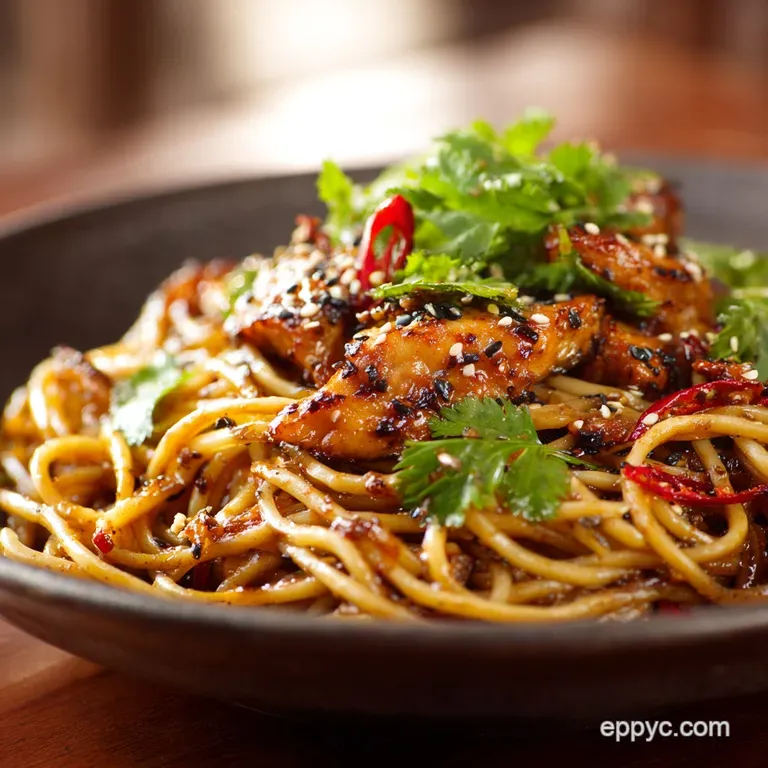
- Mastering the Ultimate Cold Sesame Noodle Dish
- The Midweek Miracle: Why This Recipe Is Essential
- Essential Pantry & Produce for the Perfect Noodle Prep
- Selecting the Right Foundation: Noodle Types and Textures
- Crafting the Deeply Nutty Sesame Dressing
- Achieving the Perfect Texture and Building the Sesame Noodle Dish
- Frequently Asked Questions About This Sesame Noodle Dish
- Adaptations and Dietary Swaps for Your Sesame Noodle Creation
- Recipe FAQs
- 📝 Recipe Card
Mastering the Ultimate Cold Sesame Noodle Dish
There are few culinary delights as universally satisfying as a perfectly balanced Sesame Noodle Dish . It’s the kind of meal that hits every note salty, sweet, spicy, and wonderfully nutty.
Our rendition of this classic Chinese inspired meal is far more than just noodles slathered in peanut sauce; it is a refined take, leveraging Sichuan principles to deepen the umami and provide a truly addictive flavour profile.
Whether you are looking for a show stopping starter or a complete, flavour packed main course, learning this sesame noodle recipe is an investment in quick and delicious home cooking.
We’re aiming for a creamy, thick sauce that perfectly adheres to the noodles, complete with the refreshing crunch of cucumber ribbons and the savory addition of shredded, chilled chicken.
The Midweek Miracle: Why This Recipe Is Essential
This Sesame Noodle Dish is nothing short of a culinary lifeline on busy evenings. Rated as 'Easy,' the preparation leans heavily on minimal active cooking, ensuring you can transition effortlessly from "what's for dinner?" to enjoying a hearty, gourmet sesame noodle bowl in under 45 minutes, including an optional chilling period.
The active preparation time is remarkably short about 15 minutes dedicated mainly to chopping vegetables and mincing aromatics. This efficiency makes it a fantastic candidate for sesame noodle meal prep , retaining its superior texture and flavour even after a day or two in the fridge.
By utilizing pre-cooked, chilled chicken (such as a shredded rotisserie bird), we eliminate lengthy cook times, streamlining the process entirely and making this a genuinely sesame noodle recipe easy to execute.
Unlocking Umami: The Sichuan Influence on Sesame Paste
The secret to moving this dish beyond the typical American Chinese takeout version lies in adopting authentic techniques found in sesame noodle recipe chinese cooking. The critical difference is the intentional layering of acidity, heat, and fermented depth.
We achieve this by balancing the rich sesame paste with the sharp, complex flavour of Chinkiang black vinegar, often described as China’s balsamic. This is then combined with a generous 30 ml serving of high-quality chilli oil, such as Lao Gan Ma, which infuses the sauce with both fragrant heat and textural crunch, creating a powerful, nuanced foundation for the noodles.
From Pantry to Plate: Defining the 15-Minute Preparation
The "Midweek Miracle" designation relies entirely on disciplined preparation a mandatory mise en place . The majority of the process is non-active, focused simply on boiling the water and cooling the noodles.
Your 15 active minutes are spent slicing the 4 spring onions, peeling and julienning the carrot and English cucumber, mincing the 5 grams of fresh ginger and 10 grams of garlic, and shredding the 300 grams of cooked chicken.
Once these components are ready, the assembly of the sauce and the final toss become a rapid process, proving just how quickly this ultimate sesame noodle recipe easy comes together.
Essential Pantry & Produce for the Perfect Noodle Prep
While the sauce is the star, the supporting cast of ingredients ensures every bite is texturally exciting. For freshness, we rely on a large English or Persian cucumber and one medium carrot, both sliced into thin ribbons.
The aromatics fresh ginger and garlic are non-negotiable for cutting through the richness of the sesame paste. Crucially, the recipe is designed around 300 grams of already cooked and chilled protein, be it chicken breast or the aforementioned shredded rotisserie chicken, simplifying the overall cooking requirement.
To finish, ensure you have quality roasted peanuts or cashews ready to chop, providing a mandatory crunch element.
Selecting the Right Foundation: Noodle Types and Textures
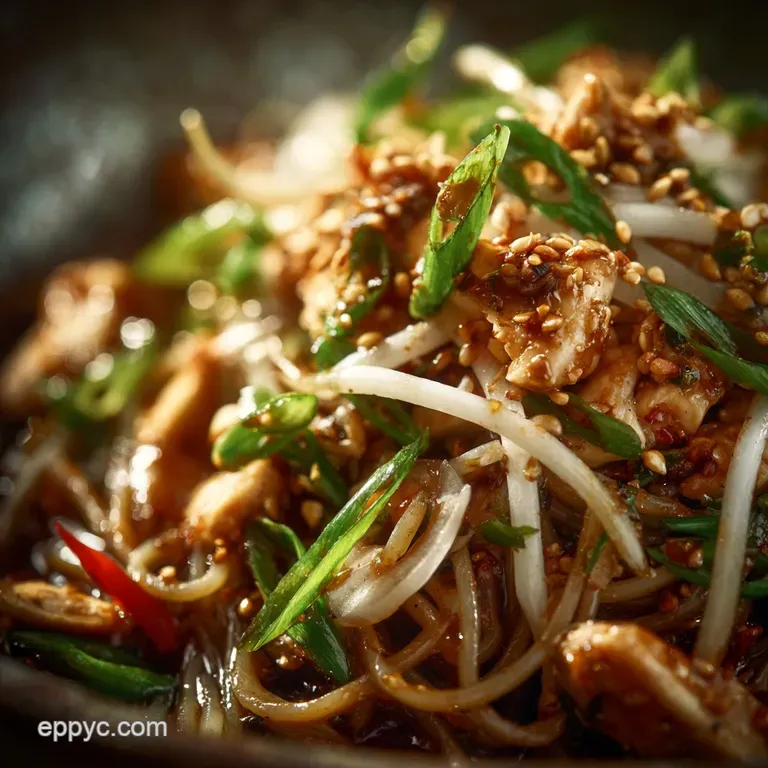
The integrity of any Sesame Noodle Dish relies heavily on the noodle’s ability to remain chewy and separate, rather than clumping. We recommend using 350 grams of dried thin spaghetti, Asian egg noodles, or ramen noodles.
While thin spaghetti is often the most accessible option, egg or ramen noodles provide a slightly springier texture. The aim is to cook them strictly according to package directions, ensuring they are slightly firmer than usual, as they will soften further during the chilling process.
The Sauce Arsenal: Identifying Key Oils and Vinegars
Achieving the correct flavour depth in the sauce demands precision in your liquid selection. Beyond the 120 grams of sesame paste, the sauce requires two distinct oils: 30 ml of toasted sesame oil (often labelled 'fragrant') for its signature nuttiness, and 30 ml of chilli oil, which provides the necessary heat.
For acidity, 45 ml of Chinkiang black vinegar is preferred due to its rich, slightly smoky profile. If unavailable, rice vinegar can be substituted, though you may need a tiny splash of balsamic to emulate the depth of the black vinegar. Salinity is provided by 60 ml of light soy sauce.
Beyond Basic Tahini: Sourcing True Chinese Sesame Paste
While many modern recipes fall back on standard tahini, sourcing true Chinese sesame paste elevates this dish immensely. Chinese sesame paste is often made from toasted, darker sesame seeds, giving it a much deeper, nuttier, and slightly bitter flavour compared to the lighter Middle Eastern tahini.
If you are unable to find the Chinese variety, standard tahini works well, but be aware it is less intense. For those who prefer a richer, more familiar flavour, this sesame noodle recipe with peanut butter substitution can be done using smooth peanut butter instead of tahini, though it shifts the flavour profile distinctly toward a Thai style sauce.
Mandatory Mise en Place: Prep Steps for the Crispy Chicken and Ribbons
For the ideal sesame noodle recipe cold , temperature and texture are key. Start by shredding your 300 grams of cooked chicken into small, manageable pieces.
Using a sharp knife or a mandoline, transform the cucumber into thin, delicate ribbons or uniform julienne strips; this elegant cut absorbs the sauce beautifully. The ginger and garlic should be finely minced, ideally using a microplane or fine grater, to ensure they dissolve into the sauce base rather than leaving large, spicy chunks.
Simple Tools Required for Assembling This Sesame Noodle Dish
Fortunately, this recipe requires minimal specialist equipment. You’ll need a large stockpot for boiling the noodles and a colander for immediate draining. The most important tool is a large mixing bowl, which serves as the vessel for sauce emulsification and the final noodle toss.
A small whisk or even just a fork is sufficient for combining the sauce components, and a microplane makes quick work of mincing the aromatics.
Related Recipes Worth Trying
- The Ultimate Creamy Chicken Egg Noodle Casserole Scratch Béchamel — Forget soggy bakes This creamy chicken egg noodle casserole uses a proper scratch Béchamel sauce for incredible flavor Topped with a crisp Panko crust its...
- Sticky Toffee Honey Glazed Carrots The Best Christmas Vegetable Dishes — Ditch the sad boiled greens This Sticky Toffee Root recipe elevates your Christmas Vegetable Dishes Fafffree caramelised carrots and parsnips make for...
- The Ultimate SlowCooked Chuck Roast Dishes Red Wine Braise — Stop settling for dry pot roast This simple Dutch oven recipe yields truly tender chuck roast dishes slowbraised in red wine for deep savoury flavour Get...
Crafting the Deeply Nutty Sesame Dressing
The sesame dressing is the absolute heart of this Sesame Noodle Dish , requiring careful assembly to achieve its characteristic creaminess. The basic structure involves combining the 120 grams of sesame paste, the 60 ml of soy sauce, 45 ml of vinegar, the fragrant sesame and chilli oils, and 30 grams of honey or sugar.
The aromatics minced ginger and garlic are added directly to this viscous mixture, ready for the transformation that follows.
Achieving the Perfect Texture and Building the Sesame Noodle Dish
Once the ingredients are prepped, the process of bringing the noodles and sauce together is fast paced, maximizing flavour adhesion and maintaining the desired al dente quality of the pasta.
Emulsifying the Base: Blending Peanut and Sesame Pastes
When you first combine the pastes (whether sesame, tahini, or a sesame noodle recipe with peanut butter variation) with the soy sauce and vinegar, the mixture will likely seize up, turning into a thick, dry clump. This is entirely normal.
To achieve the beautiful, smooth, thick yet-pourable texture (similar to runny double cream), you must gradually whisk in the 15 ml of hot water or chicken stock. Add this liquid one teaspoon at a time, whisking vigorously.
This process encourages the fats and liquids to emulsify, transforming the gritty paste into a unified, silky dressing perfect for coating every strand in your sesame noodle bowl .
Balancing the Flavor Profile: Adding Acidity and Spice
Before introducing the noodles, taste the finished sauce. This is where you finalize the balance. If the sesame paste is overwhelmingly rich or the vinegar too sour, whisk in a little more honey or sugar (30 grams are specified, but adjustments may be needed).
Conversely, if it lacks salinity, add a splash more soy sauce. The 30 ml of chilli oil should provide a pleasant, warming heat that does not overwhelm the inherent nuttiness.
The Cold Shock: Cooking and Cooling Noodles Efficiently
After boiling the noodles in salted water for 6– 8 minutes, the crucial step for any sesame noodle recipe cold is the immediate "cold shock." Drain the noodles immediately and rinse them thoroughly under cold running tap water or dunk them directly into an ice bath.
This process halts the cooking, ensuring they remain chewy and separates the starch, preventing the inevitable sticky clumping. Once thoroughly cooled and drained, transfer the noodles to a clean bowl and toss them lightly with just 1 teaspoon of toasted sesame oil before adding the sauce.
Tossing Technique: Ensuring Every Strand is Uniformly Coated
The final assembly involves combining the chilled noodles, the emulsified sauce, the shredded chicken, cucumber, and carrot in the large mixing bowl. Use long tongs to toss everything together gently but firmly.
The goal is to ensure the rich sesame dressing completely coats every single noodle strand without breaking the delicate cucumber ribbons. Once uniform, the Sesame Noodle Dish is ready to be divided into individual servings and garnished with the chopped nuts and sliced spring onions.
Frequently Asked Questions About This Sesame Noodle Dish
Many wonder about the sodium content of this dish, given the use of soy sauce. While the recipe is high in sodium (800 1000 mg per serving), remember that the sauce is highly concentrated.
If you are monitoring salt intake, substitute the light soy sauce with low-sodium soy sauce or Tamari and increase the amount of black vinegar slightly to maintain flavour depth. Another common question is reheating; as this is designed as a sesame noodle recipe cold , reheating is not recommended.
The cold temperature is integral to the texture, and warming it will break the sauce's emulsification and compromise the chewiness of the noodles.
Adaptations and Dietary Swaps for Your Sesame Noodle Creation
The beauty of a good Sesame Noodle Dish is its adaptability. It serves as an excellent base for various dietary needs and pantry challenges.
Troubleshooting a Thick or Broken Sauce Consistency
If your sauce separates or remains too thick and pasty after combining the liquids, the emulsification was likely rushed. Do not despair. The fix is simple: add another small splash (about 5 ml) of hot water or chicken stock and whisk relentlessly and rapidly.
The small amount of added liquid, combined with vigorous mechanical action, should bring the separated ingredients back together into a smooth, creamy liaison.
Optimal Storage, Chilling, and Serving Temperature
While you can serve this dish immediately after tossing, we highly recommend a short chilling period of 15 to 30 minutes. This allows the complex flavours of the ginger, garlic, vinegar, and chilli to truly meld and penetrate the noodles.
For sesame noodle meal prep , store the completed noodle dish in an airtight container in the refrigerator for up to three days. Always ensure you serve this sesame noodle recipe cold for the best textural experience.
Making It Vegan: Replacing the Chicken Topping
This Sesame Noodle Dish transitions seamlessly to a vegan meal. Simply swap the shredded chicken topping with cubed, pan-fried firm tofu (tossed lightly in soy sauce before serving) or substitute the protein entirely with edamame beans for a punch of colour and texture.
Remember to replace the 30 grams of honey with maple syrup or granulated sugar to ensure the dish remains strictly plant based.
The gluten-free Factor: Swapping Soy Sauce and Noodle Varieties
For a completely gluten-free variation, the primary swaps involve the base ingredients. Ensure you use certified gluten-free noodles, such as rice noodles or a GF spaghetti alternative.
Crucially, replace the light soy sauce with an equal amount of Tamari, which provides the necessary salinity and umami depth without the gluten content. Since we are using Chinkiang black vinegar (a naturally gluten containing product), substitute it with standard rice vinegar, potentially adding a drop of gluten-free balsamic vinegar for a darker, richer finish.
Recipe FAQs
Why did my sesame sauce seize up and go all thick and lumpy when I started mixing it?
Crikey, that’s completely normal! Sesame paste (or tahini) is full of solids and fat, and when you first mix it with liquid, it tends to seize up into a thick, gloopy mess. Don’t panic; you just need a bit of elbow grease and patience!
Whisk in the hot water or stock very gradually, one teaspoon at a time, until the sauce transforms into a gorgeous, smooth emulsion that’s the key to coating your noodles properly.
Can I make this ultimate Sesame Noodle Dish ahead of time, say for a picnic or packed lunch?
Absolutely, it’s brilliant for meal prep and often tastes even better the next day once the flavours have had a good mingle! You can make the noodles and sauce, toss them together, and keep them chilled in an airtight container for up to three days.
If the noodles look a little dry after chilling, splash in a teaspoon of water or lime juice before serving to loosen the sauce back up.
I don’t have Chinese Sesame Paste; can I just use Tahini or Peanut Butter instead?
You’re in luck, you can swap things about! Tahini (Middle Eastern sesame paste) is the closest alternative, though it is usually slightly milder, so you might want to add a pinch more sugar or honey to balance the bitterness.
If you use smooth peanut butter, it works wonderfully but be warned: the flavour will lean strongly towards a rich, satay style rather than the traditional nutty profile of this recipe.
Help! My noodles are sticky and clumpy, what went wrong after boiling?
It sounds like you missed the crucial "Cold Shock" step! After boiling, you must immediately drain the noodles and rinse them thoroughly under cold running water to remove the excess starch. This stops the cooking process dead in its tracks and ensures the noodles remain separate and chewy (not mushy).
To ensure zero sticking, always toss them with a teaspoon of toasted sesame oil right after rinsing.
How can I make this Sesame Noodle Dish vegetarian or vegan without too much kitchen faff?
It’s an absolute doddle to adapt this recipe! For a vegetarian version, swap the shredded chicken for pan-fried cubed firm tofu or simply bulk it out with crunchy edamame beans and extra carrot.
For full vegan cred, ensure you replace the honey with maple syrup or granulated sugar, and you’re sorted it loses none of its classic deep flavour.
Ultimate Cold Sesame Noodle Dish
Ingredients:
Instructions:
Nutrition Facts:
| Calories | 3026 kcal |
|---|---|
| Protein | 31.2 g |
| Fat | 73.7 g |
| Carbs | 109.6 g |
| Fiber | 21.1 g |
| Sodium | 11808 mg |
