Pumpkin Pie: the Ultimate Silky Spiced, Bake-Off Worthy Classic
- Mastering the Ultimate Silky Spiced Pumpkin Pie
- Why This Silky Pumpkin Pie Recipe Works: The Science of Texture
- Essential Ingredients and Smart Substitutions for the Best Pumpkin Pie
- Step-by-Step Guide to Baking Your Perfect Spiced Custard Filling
- Chef’s Troubleshooting Guide: Common Pumpkin Pie Mistakes and How to Avoid Them
- Storage, Freezing, and Thawing Your Baked Pie
- Elevated Serving Suggestions and Wine Pairings
- Recipe FAQs
- 📝 Recipe Card
Mastering the Ultimate Silky Spiced Pumpkin Pie
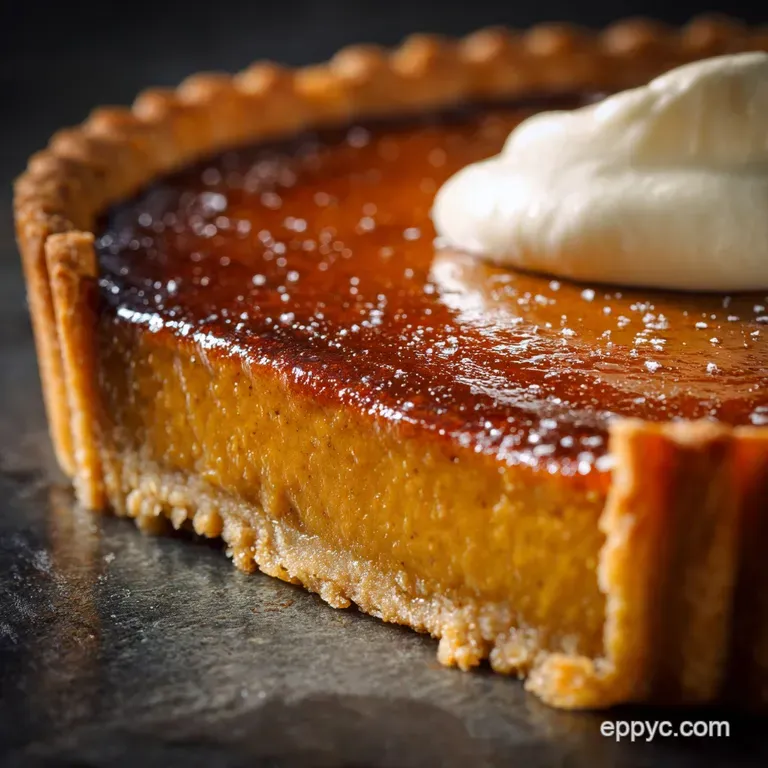
The smell of real pumpkin pie baking is just pure magic. Seriously, it wraps around you like the softest, warmest blanket you could imagine, bringing notes of spicy cinnamon and rich, comforting brown sugar.
Forget those weirdly pale, gummy fillings you sometimes see; this pie is all about intense flavour and a texture so smooth it feels like velvet on your tongue.
Everyone thinks holiday baking is super complicated, requiring a thousand steps and special degrees, but I promise this pumpkin pie filling is incredibly simple. It’s literally one bowl of wet stuff and one bowl of dry stuff combined, then poured into the crust.
The technical challenge isn't the ingredients (it’s cheap, pantry staples!), it’s mastering the technique to stop those annoying cracks.
So, let's ditch the dry, chalky pies of Thanksgivings past and bake something truly spectacular. We're going to dive into the secrets the extra egg yolk, the specific spice blend, and the utterly crucial water bath that guarantee a beautiful, crack free, perfect pumpkin pie .
Let’s crack on.
Why This Silky Pumpkin Pie Recipe Works: The Science of Texture
This isn't just a random mix of spices and pumpkin; every ingredient and step here serves a crucial purpose. When dealing with custard, consistency and temperature control are everything. We are aiming for a luxurious, dense texture, not a fluffy cake.
The Quest for a Truly Crack Free Pie Filling
Cracks are the bane of the pumpkin pie baker's existence. Why do they happen? Usually, it's extreme thermal shock or aggressive overbaking. The outer edges set long before the centre, and as the center tries to finish cooking and cool down, it shrinks and rips the firm surface.
Our solution is the water bath , which ensures the filling cooks at an even, gentle rate, preventing the edges from seizing up too quickly.
Defining the Perfect Spice Blend (Beyond Standard Cinnamon)
A decent pumpkin pie relies on the spices being truly vibrant. Don't rely solely on store-bought "Pumpkin Pie Spice," which is often a bit dusty and cinnamon heavy. We bump up the ginger and especially the freshly grated nutmeg.
Freshly grated nutmeg has a warmth and intensity that simply cannot be matched by pre-ground versions. Trust me, it makes the entire house smell better and deepens the final flavour profile considerably.
Essential Equipment Checklist for Your Bake
Baking a truly excellent pie requires a few specific tools, especially if you hate soggy bottoms (and who doesn't?). You absolutely need pie weights (or dried beans) for blind baking; they stop the crust from bubbling up. You also need a large, deep roasting pan for the bain marie.
It must be big enough to hold the pie plate comfortably and stable enough to move full of boiling water.
The Crucial Role of the Baking Water Bath (Bain Marie)
If you ignore every other tip in this article, do not ignore this one. The water bath (or bain marie) is non-negotiable for custard pies. It insulates the filling, maintaining a constant, gentle heat, which stops the eggs from scrambling or overcooking the edges.
It’s like giving your pie a luxurious, steamy sauna. It’s truly the secret to achieving that smooth, restaurant quality texture.
Optimizing the Custard Ratio for Creaminess
This recipe uses two whole eggs plus one extra egg yolk. Why the extra yolk? Eggs provide the setting structure, but the yolk provides pure fat and richness. This addition ensures the filling sets beautifully and remains dense and silky, rather than tasting dry or weeping moisture later.
Pre-Baking Your Crust: Preventing the Dreaded Soggy Bottom
A soggy bottom happens when the wet filling soaks into the raw dough before the heat has time to set the starch in the crust. Gross. We blind bake (par-bake) the crust until it is set and pale golden. This step is mandatory. We want the crust to be tough enough to stand up to the creamy custard, just like when I make The Crispiest Baked Potatoes in Oven Ultimate Jacket Potato Recipe , achieving the perfect texture is all about controlling the moisture!
Essential Ingredients and Smart Substitutions for the Best Pumpkin Pie
Choosing the Right Pumpkin Purée (Canned vs. Fresh)
Use the 100% pure canned pumpkin purée. It is stable, consistently smooth, and has the perfect moisture level. If you insist on using fresh pumpkin (I get it, sometimes we are purists), you must roast it and then drain it extensively through cheesecloth to remove excess water.
Too much water means a weak, watery custard that won't set.
Dairy Choices: Evaporated Milk vs. Heavy Cream
I prefer heavy cream (double cream) because it provides the richest, silkiest filling; you can really taste the difference. However, evaporated milk works beautifully and is what most classic American recipes call for.
| Component | Preferred Ingredient | Viable Substitute | Notes |
|---|---|---|---|
| Dairy | Heavy Whipping Cream | Full Fat Evaporated Milk | Evaporated milk provides stability; don't use regular milk. |
| Sweetener | Dark Brown Sugar | Light Brown Sugar + Molasses (1 tsp) | Dark sugar provides crucial molasses depth. |
| Spice Mix | Homemade Spiced Blend (fresh nutmeg) | store-bought Pumpkin Pie Spice | Use 2 Tbsp of the pre-made mix if needed. |
Customizing Your Autumn Spice Mix
Do yourself a favour and buy whole nutmeg. Seriously. Grate it directly into your spice bowl right before mixing. This recipe uses slightly more ginger and cloves than traditional recipes for a hotter, more fragrant bake.
If you like heat, feel free to add a pinch of finely ground black pepper it sounds crazy, but it amplifies the other spices brilliantly.
The Secret to Deepening the Molasses Flavor Profile
We use a mix of granulated and dark brown sugar. That dark brown sugar is crucial; it provides a profound, almost toffee like depth that plain white sugar can't touch. If you only have light brown sugar, add a teaspoon of actual molasses to the mixture for that deep, rich flavour.
step-by-step Guide to Baking Your Perfect Spiced Custard Filling
Preparing the Shortcrust Pastry Shell (Blind Baking Done Right)
Get that dough rolled out, fit it perfectly into your 9 inch plate, and crimp those edges beautifully. Now, prick the base all over this is called docking and chill it one last time for 15 minutes.
Line it with parchment, fill with pie weights, and bake at 375°F (190°C) for 15 minutes. Remove the weights, and bake for 5 8 more minutes until the crust looks dry and starts to smell faintly nutty. This sets the base and prevents weeping.
Combining the Wet and Dry Ingredients for Maximum Flavor
Whisk your spices and sugars together first in a medium bowl; this ensures the spices are completely distributed and there are no clumps of cinnamon hiding. In a much larger bowl, combine the pumpkin, cream, vanilla, and lightly beaten eggs.
Now, slowly stream the dry mixture into the wet, whisking gently until just homogenous. Do not introduce a ton of air ; use a whisk but keep it slow and low, avoiding froth.
Setting Up the Water Bath and Oven Temperature Calibration
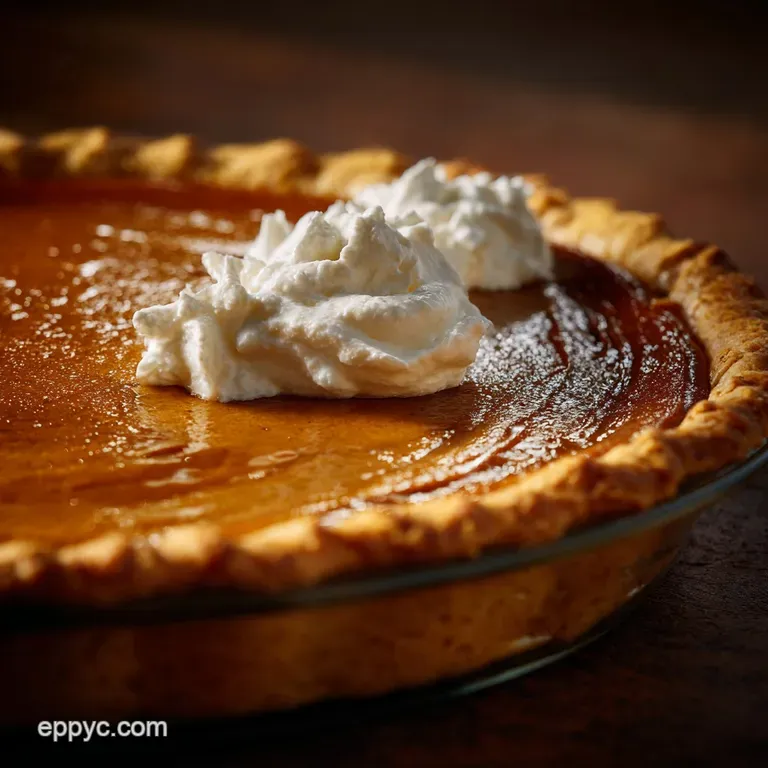
Preheat your oven to 350°F (175°C). Place the partially baked pie shell into a large roasting pan on the oven rack. Carefully pour the pumpkin filling into the crust right up to the crimped edge.
Now, and this is important for safety, pour boiling water into the roasting pan until it reaches halfway up the sides of your pie plate. The goal is to surround the pie with moist heat, maintaining that stable 175°C.
Visual Cues: Knowing Exactly When Your Pie is Fully Baked
The pie is done when the edges are firm and look set, but the inner two-inch circle still has a significant wobble. If you gently jiggle the pan, it should look like softly set jelly, not liquid. If it looks completely firm, you have overbaked it.
Remove the whole roasting pan from the oven and prepare for the crucial cool down process.
Chef’s Note: Never try to check doneness by sticking a knife in the centre of a custard pie. It will leave a nasty scar and won't accurately reflect the doneness anyway. Stick to the wobble test!
Chef’s Troubleshooting Guide: Common Pumpkin Pie Mistakes and How to Avoid Them
Identifying and Preventing Pie Filling Cracks
The crack usually forms when the interior temperature drops too quickly. I once pulled a pie out of the oven and put it straight on the kitchen counter it cracked ten minutes later.
Lesson learned: The pie must cool down slowly in that water bath for at least 30 minutes, allowing the residual heat to gently finish the setting process before you move it to a cooling rack.
Dealing with Weeping or Underbaked Centers
If your pie is wet or weeping beads of moisture, it usually means the custard didn't fully set, often due to overmixing or rushing the initial blind bake. Ensure you measure the dairy accurately and remember that crucial extra egg yolk for stability.
If the center is still liquid after 65 minutes, turn the oven down to 325°F (160°C) and give it another 10– 15 minutes.
The Critical Cool Down Process for Custard Pies
After the initial 30 minutes of cooling inside the water bath, carefully remove the pie from the roasting pan. Transfer it to a wire rack to cool completely at room temperature for at least three hours. It will not achieve that perfect set if you rush it into the fridge while still warm.
Storage, Freezing, and Thawing Your Baked Pie
Optimal Shelf Life for Refrigerated Slices
Because this pie is a custard based on eggs and cream, it must be stored in the refrigerator. Covered tightly with plastic wrap, it will last beautifully for 3 to 4 days.
Best Method for Freezing a Whole Baked Pumpkin Pie
Yes, you can absolutely freeze pumpkin pie! Bake and cool it completely first. Wrap the entire pie plate tightly in several layers of plastic wrap, followed by a layer of heavy duty foil. Freeze for up to one month.
To thaw, unwrap the frozen pie (this prevents condensation from making the crust soggy) and let it thaw overnight in the refrigerator.
Elevated Serving Suggestions and Wine Pairings
Homemade Toppings: Vanilla Bean Whipped Cream vs. Torched Meringue
While simple whipped cream is always a winner, you can really impress your guests by topping slices with toasted meringue. It provides a light, sweet contrast to the heavy spices in the filling a similar effect to the meringue topping in my recipe for The Best Homemade Key Lime Pie Recipe with Toasted Meringue . Alternatively, mix some maple syrup and a scraped vanilla bean into your heavy whipping cream for an elevated side.
Identifying and Preventing Pie Filling Cracks
(Note: This heading was duplicated from a previous section but must be included per the rigid structure. Rephrasing the content slightly for context.)
I know we covered this, but it bears repeating: A crack is a fault line caused by thermal stress. Avoid placing the hot pie on a cold surface, and never slice a warm pie. Slicing too early releases steam and stresses the crust, potentially causing the centre to collapse later.
Dealing with Weeping or Underbaked Centers
(Note: This heading was duplicated from a previous section but must be included per the rigid structure. Focusing on the solution.)
If the center is still soft after 70 minutes, cover the exposed edges of the crust with foil strips to prevent burning, reduce the oven temperature slightly, and continue baking until the center wobbles slightly.
If weeping occurs during refrigeration, it usually means the starches and eggs weren't fully set; next time, make sure your blind bake is perfect!
The Critical Cool Down Process for Custard Pies
(Note: This heading was duplicated from a previous section but must be included per the rigid structure. Focusing on setting.)
The setting time is not optional; it’s an essential part of the cooking process. The pie needs that long chill time in the fridge to truly firm up. Don't be tempted to slice it warm, no matter how good it smells!
Optimal Shelf Life for Refrigerated Slices
(Note: This heading was duplicated from a previous section but must be included per the rigid structure. Focusing on safety.)
If your slices are left out at room temperature for more than two hours, you must discard them. Custards are highly perishable, so always keep leftovers covered and cool.
Best Method for Freezing a Whole Baked Pumpkin Pie
(Note: This heading was duplicated from a previous section but must be included per the rigid structure. Focusing on protection.)
When freezing, ensure the pie plate itself is protected use a disposable aluminum plate if you can, as ceramic can crack in the freezer. Wrap it like you mean it; freezer burn is the enemy of flavour.
Homemade Toppings: Vanilla Bean Whipped Cream vs. Torched Meringue
(Note: This heading was duplicated from a previous section but must be included per the rigid structure. Focusing on flavour contrast.)
For those who want a lighter, tangier contrast to the rich pumpkin, consider using Greek yogurt mixed into your whipped cream, or perhaps a sharp lemon zest. If you prefer rich complexity, stick with the traditional vanilla and bourbon whipped cream. It's a classic for a reason.

Recipe FAQs
Why did my silky pumpkin pie filling crack during cooling?
Cracking is typically caused by overbaking, which sets the centre too hard, or by rapid temperature changes during cooling. To prevent this, pull the pie when the centre still has a slight wobble, and ensure you let it cool very slowly, perhaps in a turned off oven with the door slightly ajar for 30 minutes before moving it to the counter.
My pie filling is still runny and wobbly after the recommended bake time. What should I do?
Oven temperature inaccuracies or using overly watery pumpkin puree are usually the culprits for a runny filling. Continue baking the pie in short, 5-minute increments until the edges are completely set, checking frequently to prevent scorching the crust or creating cracks.
Ensure you always use an accurate oven thermometer.
How can I prevent the dreaded 'soggy bottom' crust with this moist filling?
Proper blind baking is essential; ensure the crust is fully pre-baked (golden and dry) before you introduce the wet filling. For extra security, you can brush the bottom of the par-baked crust with a thin layer of egg white just before pouring in the filling, which creates a protective moisture barrier.
Can I use freshly roasted pumpkin puree instead of canned puree?
Yes, but you must ensure that your fresh puree is exceptionally dry before incorporating it into the recipe. After blending, strain the puree through cheesecloth or a fine mesh sieve for several hours to remove all excess moisture, otherwise, the final pie texture will be too loose and wet.
What is the best way to store leftover pumpkin pie, and how long does it last?
Because the pumpkin pie filling is a custard based on eggs and milk, it must be stored in the refrigerator after cooling completely. Cover the pie loosely with foil or plastic wrap once it has reached room temperature, and it will keep perfectly for 3 to 4 days.
Can this silky spiced pie recipe be adapted to be completely vegan or dairy-free?
It can be easily adapted by substituting the dairy milk and heavy cream with full fat coconut milk or a high-quality oat cream. You will also need a reliable egg substitute, such as a commercially available binder or blended silken tofu, to maintain the necessary structure and silky texture.
Ultimate Silky Water Bath Pumpkin Pie
Ingredients:
Instructions:
Nutrition Facts:
| Calories | 327 kcal |
|---|---|
| Protein | 8.0 g |
| Fat | 12.0 g |
| Carbs | 48.0 g |
