Traditional Sangria Recipe with Brandy
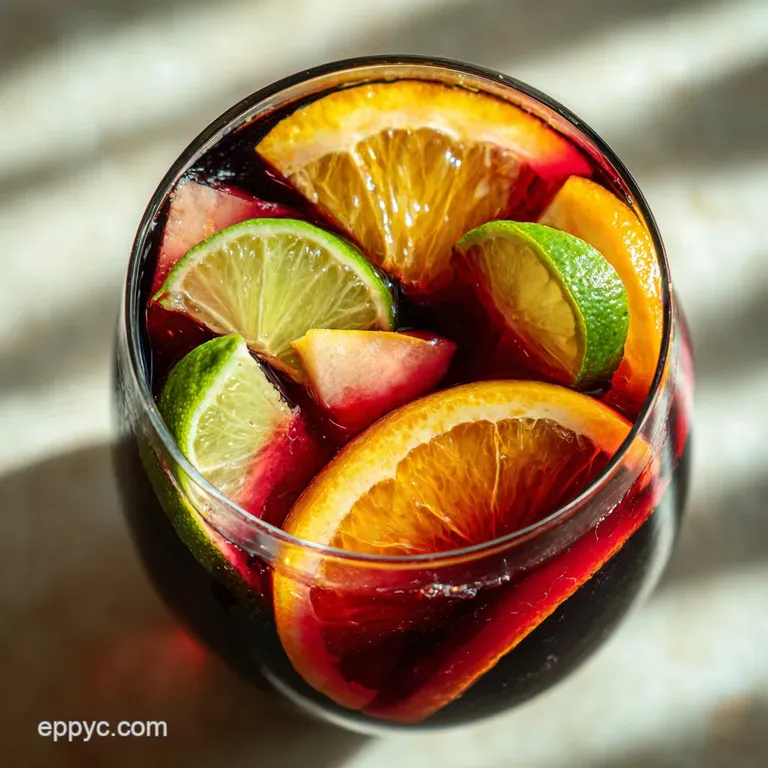
- Time: Active 15 minutes, Passive 4 hours, Total 4 hours 15 mins
- Flavor/Texture Hook: Vibrant citrus notes with a subtle, warming cinnamon finish
- Perfect for: Outdoor gatherings, festive holiday dinners, or beginner friendly entertaining
- A Heartfelt Reliable Recipe for a Sangria
- Science Behind the Perfect Fruit Infusion
- Essential Specs for Your Pitcher Party
- Gathering Your Premium Ingredients and Fruits
- Simple Tools for Stress Free Mixing
- Step by Step Method for Mixing
- Solving Your Common Flavor Balance Issues
- Tasty Variations and Smart Ingredient Swaps
- Keeping Your Drink Fresh and Cold
- How to Garnish Like a Pro
- Recipe FAQs
- 📝 Recipe Card
A Heartfelt Reliable Recipe for a Sangria
Ever wonder why the sangria at that hidden tapas bar tastes like a velvet dream, while the one you made last summer felt like a sad bowl of vinegary fruit soup? I’ve been there.
I remember my first attempt, I just threw some cheap Merlot and a bag of frozen berries into a pitcher, stirred it with a wooden spoon, and hoped for the best. It was thin, metallic, and frankly, a bit of an insult to the wine.
The secret isn't just about the wine you choose, though that's a big part of it. It’s about the technology of the soak. This recipe for a sangria focuses on a specific maceration technique that I learned after a dozen failed parties.
We aren't just making a drink, we're empowering the fruit to release its natural oils and sugars, which then bond with the brandy to create a structured, professional grade cocktail at home.
I’ve tested this with various tools, from high end bar kits to just a simple glass pitcher and a knife. Trust me, you don't need a digital lab to get this right. By following these reliable steps, you’ll produce a traditional sangria recipe that feels both nostalgic and sophisticated.
We’re going to use minimal tools but maximum technique to ensure every sip is bright, punchy, and balanced.
Science Behind the Perfect Fruit Infusion
Understanding the "how" behind this drink ensures you never serve a watery glass again. It’s about more than just mixing liquids; it’s a chemical process that takes time to develop.
- Osmotic Extraction: The 3 tbsp Granulated Sugar creates a high concentration environment outside the fruit cells, drawing out the flavorful juices from the 1 Large Crisp Apple and berries.
- Alcohol Solvency: Brandy acts as a solvent, extracting the essential oils from the orange and lemon rinds that water or wine alone cannot reach.
- Tannin Softening: The four hour rest period allows the fruit acids to interact with the wine's tannins, rounding out the harsh edges of the 750ml Dry Red Wine.
- Effervescence Stability: Adding the 240ml Sparkling Water at the very end prevents the carbon dioxide from dissipating during the maceration phase.
| Preparation Style | Total Time | Flavor Profile | Best For |
|---|---|---|---|
| The Fast Method | 20 minutes | Sharp, wine forward, crisp | Last minute guests |
| The Classic Soak | 4 hours 15 mins | Balanced, fruity, velvety | Weekend dinners |
| The Overnight Infusion | 12 hours | Rich, deep, boozy fruit | Large holiday parties |
By choosing the Classic Soak, you allow the cinnamon stick and fruit to marry properly without the wine starting to oxidize and lose its brightness. It’s the sweet spot for flavor.
Essential Specs for Your Pitcher Party
Before we grab the knife, let’s look at the "bones" of this simple sangria recipe. We use a 750ml bottle of wine as our baseline, which perfectly fits into a standard 2 liter pitcher once you add the fruit and ice.
Using a dry red wine like Tempranillo is crucial because it has the structure to stand up to the brandy without being overwhelmed by sugar.
| Ingredient Component | Science Role | Pro Secret |
|---|---|---|
| 750ml Dry Red Wine | Structural Base | Use a "Crianza" level wine for a smooth, oaky backbone. |
| 120ml Brandy | Fortification | Brandy adds body and prevents the fruit from diluting the mix. |
| 1 Large Crisp Apple | Flavor Sponge | Cubing them small (1/2 inch) increases surface area for faster infusion. |
| 1 Cinnamon Stick | Aromatic Depth | It adds a "woody" note that balances the high acidity of the citrus. |
If you find yourself missing the red wine but have a bottle of Pinot Grigio, you can easily pivot to a white sangria recipe by following the same ratios but swapping the berries for peaches or mangoes. The key is maintaining that 120ml brandy fortification to keep the drink from feeling like juice.
Gathering Your Premium Ingredients and Fruits
You don't need the most expensive bottle on the shelf, but you do need "real" ingredients. Avoid pre juiced cartons if you want that authentic zing.
- Dry Red Wine (750ml): Look for Spanish Garnacha or Tempranillo. Why this? These wines are naturally low in tannins but high in fruit expression.
- Brandy (120ml): Any mid range Spanish brandy or Cognac works. Why this? It bridges the gap between the wine's acidity and the fruit's sweetness.
- Fresh Oranges and Lemons: Use organic since we are leaving the peels in the pitcher.
- Crisp Apple: Granny Smith provides a nice tart contrast to the sugar.
- Blueberries or Strawberries (150g): These provide the iconic "stained" look and sweet bursts.
- Granulated Sugar (3 tbsp): Adjust this based on the ripeness of your fruit.
- Sparkling Water (240ml): Use a high carbonation brand for maximum bubble life.
- Cinnamon Stick: Don't use ground cinnamon; it makes the drink cloudy and gritty.
If you are out of brandy, you can substitute it with an orange liqueur like Cointreau. It adds more citrus notes but works beautifully, similar to the bright citrus balance found in the The Homemade Key recipe.
Simple Tools for Stress Free Mixing
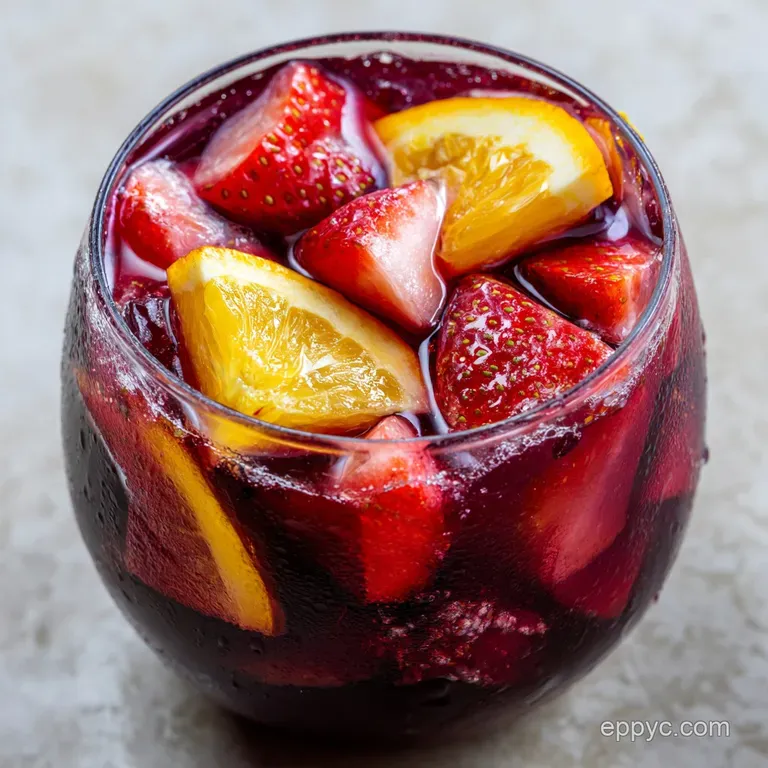
We are keeping this minimal because nobody wants to wash ten gadgets after a party. Your primary "technology" here is a sharp knife and a sturdy pitcher.
- A 2 Liter Glass Pitcher: Glass is non reactive, which is vital since the wine will sit with acidic citrus for hours.
- Long Handled Spoon: You need to reach the bottom to dissolve the sugar completely.
- Digital Scale or Measuring Cups: Precision with the 120ml brandy and 240ml sparkling water ensures the alcohol balance is "just right."
- Sharp Chef's Knife: For those 1/2 inch apple cubes.
| Original Ingredient | Substitute | Why It Works |
|---|---|---|
| Brandy (120ml) | Dark Rum (120ml) | Adds a molasses sweetness; great for a summer sangria recipe. |
| Granulated Sugar | Honey or Agave | Dissolves faster in cold liquid, but adds a distinct floral note. |
| Sparkling Water | Lemon Lime Soda | Adds sweetness and bubbles. Note: Reduce added sugar to 1 tbsp if using. |
Using a digital timer on your phone is a great way to empower your workflow. Set it for 4 hours once you put the pitcher in the fridge. This ensures you don't forget to add the sparkling water and ice right before your guests arrive.
step-by-step Method for Mixing
This is where the magic happens. Don't just dump everything in at once. The order of operations matters for the best sangria recipe results.
- Juice the citrus. Juice one orange and half a lemon directly into your pitcher. Note: This creates the acidic base to dissolve the sugar.
- Dissolve the sugar. Add the 3 tbsp granulated sugar to the citrus juice and stir until the liquid is clear and no longer grainy.
- Add the fortification. Pour in the 120ml brandy and stir again.
- Prep the fruit. Chop the apple into 1/2 inch cubes and slice the remaining orange and half lemon into thin rounds.
- Assemble the infusion. Drop the apple cubes, citrus slices, 150g of berries, and the cinnamon stick into the pitcher.
- Add the wine. Pour the entire 750ml bottle of dry red wine over the fruit.
- Macerate. Place the pitcher in the fridge for 4 hours. Wait until the wine takes on a deep, fruity aroma.
- The final sparkle. Just before serving, pour in the 240ml of chilled sparkling water.
- Ice it up. Add ice directly to the pitcher or, preferably, to individual glasses to avoid dilution.
- Stir gently. One final turn with the spoon ensures the bubbles are distributed without going flat.
Solving Your Common Flavor Balance Issues
Sometimes, despite our best efforts, the balance feels off. This usually happens because of the natural variance in fruit sweetness or wine acidity.
Why Your Sangria Tastes Flat
If the drink feels one dimensional, it’s likely lacking acidity. This often happens if the oranges are too sweet. A quick squeeze of fresh lemon juice can brighten the entire batch. You want that "pop" of flavor that makes your mouth water.
Why Your Fruit is Brown and Mushy
This is usually the result of over macerating or using soft apples. If you leave the fruit in the wine for more than 24 hours, the structure of the apple breaks down. Always use a crisp variety like Honeycrisp or Granny Smith to maintain that satisfying crunch.
| Problem | Root Cause | Solution |
|---|---|---|
| Too Bitter | Pith from citrus | Remove slices after 4 hours; only use juice for longer storage. |
| Too Sweet | Over ripe berries | Add a splash of extra dry red wine or more sparkling water. |
| Watery Flavor | Melted ice in pitcher | Always add ice to the glass, not the pitcher, for slow drinkers. |
Common Mistakes Checklist
- ✓ Use organic citrus to avoid pesticides in the long soak.
- ✓ Never use "cooking wine"; if you wouldn't drink it in a glass, don't put it in the pitcher.
- ✓ Don't skip the 4 hour rest; the flavors need time to chemically bond.
- ✓ Add the sparkling water at the very last second to preserve the effervescence.
- ✓ Keep the cinnamon stick whole; ground cinnamon will create an unappealing "scum" on top.
Tasty Variations and Smart Ingredient Swaps
While the red wine version is the traditional sangria recipe, the beauty of this drink is its flexibility. You can adapt it for any season or dietary preference with a few minor tweaks.
For a festive Christmas sangria recipe, I love swapping the berries for fresh cranberries and adding a few star anise pods along with the cinnamon stick. The warming spices make it feel cozy despite being served chilled. This flavor profile actually pairs quite well with the spiced notes in The Classic Hot recipe.
Scaling for Large Crowds
If you're hosting a big party, you can easily double or triple this recipe. Scaling Up: When doubling, keep the cinnamon sticks at 1.5x (use 2 small sticks instead of 2 large ones) to avoid overpowering the fruit.
You can prep the fruit and brandy mixture a day ahead, then just add the wine and bubbles when the party starts. Scaling Down: For a solo night, use a half bottle of wine and reduce the sugar to 1.5 tbsp. Use a smaller jar to ensure the fruit stays submerged in the liquid.
Non Alcoholic Adaptations
To make a virgin version, replace the wine with a mix of unsweetened grape juice and a splash of pomegranate juice. Use ginger ale instead of sparkling water and skip the brandy. It still provides that complex, macerated fruit experience without the alcohol.
Keeping Your Drink Fresh and Cold
Storage is simple, but there are a few rules to follow to keep the quality high. Because of the alcohol and sugar, it stays safe in the fridge for a while, but the flavor peaks early.
- Storage: Store the sangria in the fridge for up to 2 days. After 48 hours, the citrus peels start to release a heavy bitterness from the white pith. If you want to keep it longer, strain out the fruit and store the liquid separately.
- Zero Waste: Don't throw away that wine soaked fruit! The apples and berries are a boozy treat. You can blend the leftover fruit into a "sangria slushie" with some ice, or even use the soaked apples as a topping for a simple pound cake.
- Freezing: You can freeze leftover sangria in ice cube trays. Use these "sangria cubes" in your next batch to keep it cold without diluting the flavor as they melt.
How to Garnish Like a Pro
Presentation is the final step in empowering your home cooking. A beautiful glass makes the drink taste better it’s a psychological fact.
- Glassware: Use large, stemless wine glasses or highball glasses. The wide rim allows the aromatics of the wine and cinnamon to hit your nose before you take a sip.
- The Fruit Skewer: Instead of just letting the fruit float, thread a few wine soaked blueberries and an apple cube onto a bamboo skewer. It looks professional and makes it easier for guests to enjoy the fruit.
- Herbal Touch: A sprig of fresh mint or rosemary tucked into the glass adds a visual pop of green and a fresh scent that cuts through the richness of the red wine.
- Salt or Sugar Rim?: While not traditional for a sangria, a light dusting of cinnamon sugar on the rim of the glass can be a fun touch for a Christmas version.
The most important thing to remember is that this is a heartfelt, social drink. It's meant to be shared, sipped slowly, and enjoyed while the sun sets or the fireplace crackles. By using this reliable recipe for a sangria, you aren't just serving a drink you're serving a craft experience that celebrates the simple beauty of fresh fruit and good wine.
Enjoy the process, and don't be afraid to tweak the sweetness to your own digital age palate!
Recipe FAQs
What are the ingredients in a sangria?
The essential ingredients are dry red wine, brandy, fresh chopped fruit (apples, citrus), sugar, and sparkling water added last. You also need a cinnamon stick for aromatic depth during the maceration process.
What are the three ingredients in sangria?
Wine, brandy, and fresh fruit are the three core components that define sangria. The wine forms the base, the brandy fortifies the flavor, and the fruit releases essential oils during soaking.
What's the secret to a good sangria?
The secret is the maceration time; you must let the fruit soak for at least four hours. This controlled infusion allows the fruit acids to soften the wine's tannins, creating a balanced, velvety flavor profile rather than a sharp, boozy mix.
What is the best alcohol for sangria?
The best combination uses a dry Spanish red wine (like Tempranillo) fortified with brandy. The brandy adds necessary body and prevents the fruit infused liquid from tasting too thin or watery.
How long should the fruit soak in the wine?
Aim for a minimum of four hours, but no more than 24 hours, in the refrigerator. This soaking period allows for optimal osmotic extraction of flavor from the apples and oranges before the fruit skins turn bitter.
Can I substitute the brandy with a different spirit?
Yes, dark rum or orange liqueur can be substituted for brandy in a pinch. If you are using an orange liqueur, you might want to reduce the amount of added sugar slightly due to its inherent sweetness, much like when you balance flavors in a complex sauce, as seen in our guide to The Gaffers Fiery Classic Simple Cayenne Hot Sauce Recipe at Home.
When should I add the sparkling water to my sangria?
Always add the sparkling water immediately before serving the finished batch. Adding it too early during the maceration period will cause the carbonation to completely dissipate, resulting in a flat drink.
Velvety Red Sangria Recipe
Ingredients:
Instructions:
Nutrition Facts:
| Calories | 179 kcal |
|---|---|
| Protein | 0.4 g |
| Fat | 0.2 g |
| Carbs | 19.7 g |
| Fiber | 2.1 g |
| Sugar | 15.3 g |
| Sodium | 6 mg |
