Mac and Cheese Recipe: Velvety Sauce, Panko Crust
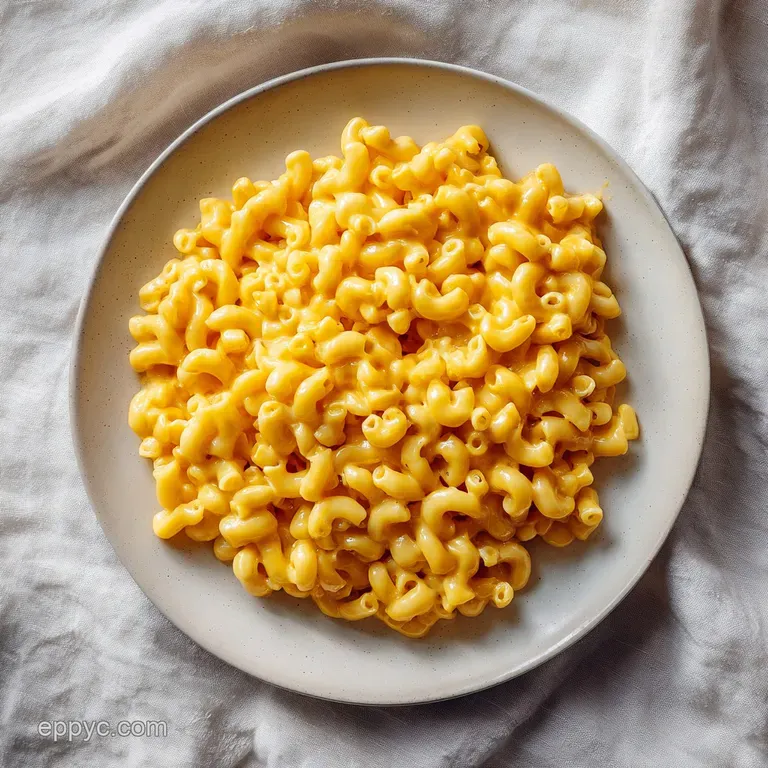
- Time: Active 10 minutes, Passive 20 minutes, Total 30 minutes
- Flavor/Texture Hook: Sharp cheddar tang with a shattering panko crust
- Perfect for: Weeknight comfort or budget-friendly potlucks
- The Ultimate budget-friendly Mac and Cheese Recipe
- The Physics of the Melt
- Ingredient Deep Dive
- Budget Selection of Quality Elements
- Essential Tools for Better Results
- Step-by-Step Culinary Walkthrough
- Fixing Common Preparation Problems
- Smart Scaling Guidelines
- Smart Dietary Adjustments
- Storing and Leftover Strategies
- Presentation and Serving Ideas
- Kitchen Truths Debunked
- High in Sodium
- Mac and Cheese Recipe FAQs
- 📝 Recipe Card
The Ultimate budget friendly Mac and Cheese Recipe
Picture this: the kitchen is filled with the scent of toasted butter and sharp, melting cheddar. You pull a dish from the oven, and the top is a sea of golden, crackling panko breadcrumbs that shatter when your spoon dives in.
Underneath that crust lies a river of pale orange, silky sauce hugging every curve of the elbow pasta. It’s the kind of meal that makes you forget you’re eating on a budget because it feels so incredibly indulgent.
I remember the first time I tried to make this without a plan. I used pre shredded cheese and just dumped milk into a pan. It was a gritty, watery mess that separated before it even hit the table. Honestly, it was heartbreaking.
But after a few experiments with temperature and starch, I figured out how to get that high end restaurant texture using basic grocery store blocks.
We’ve all been there, standing in the aisle wondering if the expensive cheese is worth it. Trust me on this, you can make a stunning meal with the standard sharp cheddar if you treat the ingredients with a little digital age precision.
We’re going to use some simple kitchen technology like a basic whisk and a heavy pan to empower your cooking and turn these simple elements into something heartfelt and memorable.
The Physics of the Melt
Starch Suspension: Coating the flour in butter (the roux) prevents the milk proteins from clumping together, which is the secret to a smooth sauce.
Emulsification Stability: Adding cold milk to a hot roux slowly allows the fat and liquid to bind into a stable, creamy lattice that won't break under high heat.
Casein Relaxation: Using hand grated cheese is vital because it lacks the cellulose coating of pre shredded bags, allowing the proteins to melt into the sauce seamlessly.
Maillard Enhancement: The smoked paprika in the topping doesn't just add color; it reacts with the heat to deepen the savory notes of the buttered breadcrumbs.
| Cooking Method | Total Time | Texture Outcome | Best For |
|---|---|---|---|
| Stovetop Only | 15 minutes | Ultra creamy and liquid | Quick lunches/Kids |
| Oven Baked | 30 minutes | Set sauce with crust | Dinner parties |
| Broiler Finish | 20 minutes | Creamy with light crisp | Busy weeknights |
Choosing the right method depends on your mood, but if you want that classic contrast between soft pasta and a crispy top, the oven is the way to go. It allows the flavors to meld while the Gruyère creates a stretchy, sophisticated pull. If you're looking for a different vibe, like a cold side dish, you might enjoy my Classic Macaroni Salad recipe instead.
Ingredient Deep Dive
| Ingredient | Science Role | Pro Secret |
|---|---|---|
| Elbow Macaroni | Starch Vessel | Boil in highly salted water to season the pasta from the inside out. |
| Sharp Cheddar | Flavor/Fat | Use "extra sharp" for the most punch so you can use less and save money. |
| Dry Mustard | Emulsifier | This bridges the gap between the fat in the cheese and the water in the milk. |
| Whole Milk | Liquid Base | Cold milk prevents the roux from forming lumps when they first touch. |
Budget Selection of Quality Elements
- 1 lb elbow macaroni: The classic shape for a reason. Why this? The hollow tubes trap the cheese sauce inside every single bite.
- Substitute: Cavatappi or large shells work beautifully for the same price.
- 12 oz extra sharp cheddar cheese: Always buy the block. Why this? Block cheese melts smoother and has a much stronger, authentic flavor profile.
- Substitute: A mix of mild cheddar and colby jack if you want a milder taste.
- 4 oz Gruyère cheese: This adds the "fancy" factor. Why this? It has a high melting point and a nutty flavor that balances the cheddar.
- Substitute: Swiss cheese or extra Monterey Jack for a budget friendly stretch.
- 3 cups whole milk: Provides the necessary fat for a velvety mouthfeel. Why this? Lower fat milks make the sauce too thin and prone to breaking.
- Substitute: 2.5 cups of 2% milk plus 0.5 cup of heavy cream.
- 4 tbsp unsalted butter: The base of our roux and topping.
- Substitute: Salted butter (just reduce the added sea salt by half).
- 0.25 cup all purpose flour: The thickening agent.
- Substitute: Cornstarch (use half the amount mixed with cold milk first).
- 1 cup panko breadcrumbs: For the signature crunch.
- Substitute: Crushed Ritz crackers or even toasted sourdough crumbs.
- 1 tsp dry mustard powder: A hidden flavor booster.
- Substitute: 1 tablespoon of Dijon mustard whisked into the sauce at the end.
- 0.5 tsp ground nutmeg: The secret "what is that?" ingredient.
- Substitute: A pinch of mace or simply skip it if you're not a fan.
- Smoked paprika, salt, pepper: For seasoning the topping.
Essential Tools for Better Results
You don't need a high tech kitchen to master this mac and cheese recipe. A heavy bottomed saucepan is your best friend here because it distributes heat evenly, preventing the milk from scorching at the bottom.
A whisk is non negotiable for the roux; it’s the only way to ensure the flour and butter become a smooth paste.
For the baking portion, a 9x13 inch ceramic dish is ideal, but a cast iron skillet (like a Lodge) is a fantastic alternative that moves from stove to oven effortlessly. Finally,, a box grater is mandatory.
I know it’s a workout, but grating your own cheese is the single biggest "empower" move you can make for the texture of this dish. It's much cheaper than buying the pre shredded stuff anyway!
step-by-step Culinary Walkthrough
1. Par Boil the Pasta
Bring a large pot of water to a boil with 2 tablespoons of sea salt. Cook 1 lb elbow macaroni for 2 minutes less than the package directions until firm to the bite (al dente). Note: The pasta will finish cooking in the oven sauce.
2. Prepare the Topping
In a small bowl, combine 1 cup panko breadcrumbs, 2 tablespoons melted butter, 0.5 tsp smoked paprika, and a pinch of salt and pepper. Set this aside to let the crumbs soak up the fat.
3. Build the Golden Roux
In a large saucepan, melt 4 tablespoons unsalted butter over medium heat. Whisk in 0.25 cup all purpose flour and cook for 2 minutes until it smells like toasted shortbread.
4. Temper the Béchamel
Slowly pour in 3 cups of cold whole milk, whisking constantly. Continue cooking for 5-8 minutes until the sauce coats the back of a spoon. Note: Whisking prevents lumps from forming as the starch swells.
5. Season the Base
Whisk in 0.5 tsp nutmeg and 1 tsp dry mustard powder. This is the stage where the sauce begins to smell like a professional kitchen.
6. The Velvet Melt
Remove the pan from the heat. Gradually fold in 12 oz grated sharp cheddar and 4 oz Gruyère, stirring until the cheese is fully incorporated and glossy.
7. Combine the Components
Fold the cooked macaroni into the cheese sauce. Stir gently to ensure every tube of pasta is filled with the liquid gold.
8. Final Crisp
Pour the mixture into your baking dish and sprinkle the panko mixture evenly over the top. Bake at 350°F (180°C) for 20 minutes until the edges are bubbling and the top is dark gold.
Fixing Common Preparation Problems
The Sauce is Too Thick
If the sauce looks like a solid block before it even hits the oven, it usually means the roux was cooked too long or the milk evaporated. This can also happen if you used too much flour by packing the measuring cup.
The Texture is Grainy
This is the most common heartbreak. It happens when the cheese is added to a sauce that is boiling or if you use pre shredded cheese with anti caking agents. High heat causes the cheese proteins to tighten into little hard balls.
The Flavor is Flat
If the dish tastes "blah," it’s almost always a lack of acid or salt. Even though there is cheese, the pasta and milk need significant seasoning to stand out.
| Problem | Root Cause | Solution |
|---|---|---|
| Broken Sauce | Heat too high when adding cheese | Whisk in a splash of cold milk off the heat to bring it back. |
| Mushy Pasta | Overcooked during the initial boil | Reduce boiling time; ensure pasta is very firm before baking. |
| Dry Topping | Not enough butter in the crumbs | Drizzle an extra tablespoon of melted butter over the panko. |
Common Mistakes Checklist
- ✓ Never use pre shredded cheese; the starch coating ruins the creamy emulsion.
- ✓ Stop boiling the pasta when it still has a "snap" in the middle.
- ✓ Take the sauce off the heat completely before adding your grated cheese.
- ✓ Let the dish sit for 5 minutes after baking to allow the sauce to thicken slightly.
- ✓ Use cold milk for the roux to avoid the "lump effect" common with warm milk.
Smart Scaling Guidelines
If you're cooking for a crowd, you can easily double this recipe. However, don't double the salt and spices exactly. Use about 1.5x the nutmeg and mustard powder first, then taste. For liquids, you can actually reduce the total milk by about 10% when doubling to ensure the sauce stays thick. This technique is similar to how I manage the moisture in my Cheesy Hashbrown Casserole Recipe.
When halving the recipe for a solo dinner, use a smaller pan to prevent the sauce from evaporating too quickly. If a recipe calls for an egg (though this one doesn't), always beat it first and then measure out exactly half by volume.
For the baking time, reduce it by about 5 minutes since a smaller mass heats through faster.
Smart Dietary Adjustments
| Preference | Substitute | Why It Works |
|---|---|---|
| gluten-free | GF Pasta & Cornstarch | GF pasta holds shape well; cornstarch provides a clean, clear thickener. |
| Healthier Swap | Pureed Cauliflower | Replace 1 cup of milk with 1 cup of cauliflower puree for vitamins. |
| Extra Spice | Chopped Jalapeños | Adds a bright, acidic heat that cuts through the heavy fat of the cheese. |
If you want a version that is specifically designed for a different texture, you might check out The Homemade Baked recipe which focuses on a different cheese to pasta ratio.
Storing and Leftover Strategies
Storage: Keep leftovers in an airtight container in the fridge for up to 4 days. If the sauce seems to have vanished the next day, it’s because the pasta absorbed it. When reheating, add a tablespoon of milk per serving to loosen the sauce back up.
Freezing: You can freeze the assembled, unbaked mac and cheese for up to 3 months. Thaw it overnight in the fridge before baking. I don't recommend freezing already baked mac, as the pasta can become quite mushy upon thawing.
Zero Waste: If you have leftover panko, toast it with some garlic and keep it in a jar for salads. Any cheese rinds (especially from the Gruyère) can be tossed into a plastic bag in the freezer and dropped into your next vegetable soup for a massive hit of savory flavor.
Presentation and Serving Ideas
To make this budget meal feel like a five star experience, serve it in individual ramekins. There’s something about having your own personal crust to pasta ratio that feels special. I love serving this alongside a simple green salad with a sharp lemon vinaigrette to cut through all that glorious fat.
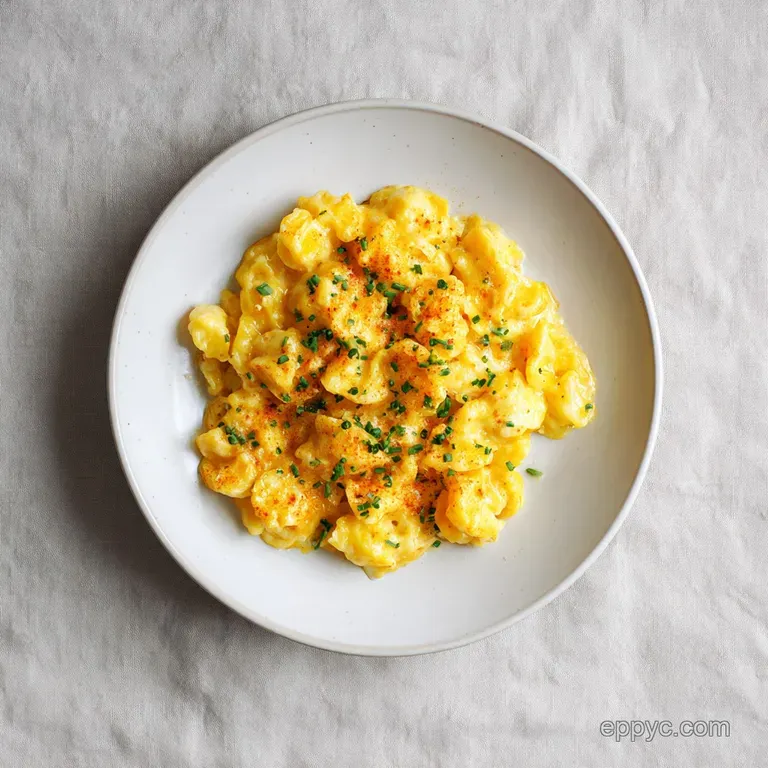
If you're feeling adventurous, top the finished dish with a drizzle of truffle oil or a sprinkle of fresh chives. The green pop against the golden crust looks digital photo ready and adds a fresh, oniony bite that complements the sharp cheddar perfectly.
It’s a heartfelt way to turn a basic Tuesday night into a celebration of home cooking.
Kitchen Truths Debunked
Rinsing your pasta after boiling is a mistake. People think it stops the cooking, but it actually washes away the surface starch that helps the cheese sauce stick to the noodles. Keep that starch!
Searing the flour for a roux doesn't need to take twenty minutes. While some Cajun recipes require a dark roux, for this mac and cheese recipe, you just need a "blonde" roux. Two minutes is plenty of time to cook out the raw flour taste without losing the thickening power of the starch.
Finally, you don't need expensive "artisan" milk. Standard whole milk from the grocery store is perfectly fine. The key isn't the price tag of the dairy, but the fat content. Don't even bother with skim milk here you'll end up with a watery mess that won't satisfy anyone.
Stick to the whole milk for that velvety finish we're after.

High in Sodium
980 mg mg of sodium per serving (43% % of daily value)
The American Heart Association recommends limiting sodium intake to about 2,300mg per day.
Tips to Reduce Sodium in Your Mac & Cheese
-
Reduce Cheese Sodium-15%
Extra sharp cheddar and Gruyère are naturally high in sodium. Use low-sodium cheddar cheese and Swiss cheese, and reduce the total amount by 25% to control sodium without sacrificing flavor.
-
Eliminate Added Salt-25%
The recipe calls for sea salt in the pasta water and additional salt at the end. Skip the sea salt when cooking the pasta and eliminate the extra 0.5 tsp of salt. The cheese will provide plenty of saltiness. Taste and adjust if needed after baking. This makes a significant difference.
-
Consider Low-Sodium Milk-5%
While whole milk is low in sodium, opting for low-sodium milk can offer a slight reduction in sodium content, contributing to an overall healthier dish.
-
Spice It Up!
Enhance flavor using sodium free spices and herbs like garlic powder, onion powder, smoked paprika (already included, consider adding a bit more), and freshly ground black pepper. These add depth without increasing sodium.
Mac and Cheese Recipe FAQs
What is the secret to the best macaroni and cheese?
Hand grating the cheese yourself. Pre-shredded cheese is coated in cellulose which prevents it from fully dissolving into a smooth sauce. Grating blocks ensures the proteins melt seamlessly.
What ingredients does mac and cheese need?
Pasta, butter, flour, milk, and cheese are essential. You also need seasoning like salt, pepper, and usually dry mustard powder to enhance the savory notes.
What is the best cheese for mac and cheese?
A sharp aged cheddar is the best starting point. For superior texture and depth, blend it with a cheese known for excellent melting, like Gruyère or Monterey Jack.
How to make macaroni cheese easily?
Melt butter, whisk in flour to create a roux, then slowly whisk in cold milk until thickened. Remove from heat before stirring in your hand grated cheese until smooth.
Is it true I must use whole milk or the sauce will break?
No, this is a common misconception, but whole milk is highly recommended. Lower fat milks have less emulsifying fat, making the sauce significantly thinner and more prone to separating under heat.
How to prevent my sauce from tasting grainy or gritty?
Remove the sauce from the heat completely before adding the grated cheese. High heat causes the cheese proteins to seize up; mastering this temperature control is key, much like when you master whisking fats in our How To Make recipe.
Can I make a dairy-free version easily?
Yes, you can substitute milk with fortified oat milk and use nutritional yeast or a vegan cheese blend. For a smooth emulsion without traditional dairy fat, you need a strong starch base, similar to making a Creamy Cashew Alfredo Sauce recipe.
Best Mac And Cheese Recipe
Ingredients:
Instructions:
Nutrition Facts:
| Calories | 816 calories |
|---|---|
| Protein | 35g |
| Fat | 42g |
| Carbs | 76g |
| Fiber | 3g |
| Sugar | 8g |
| Sodium | 980mg |
