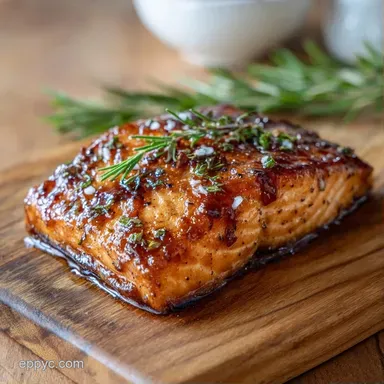
Cedar Plank Glazed Salmon: Smoky and Velvet
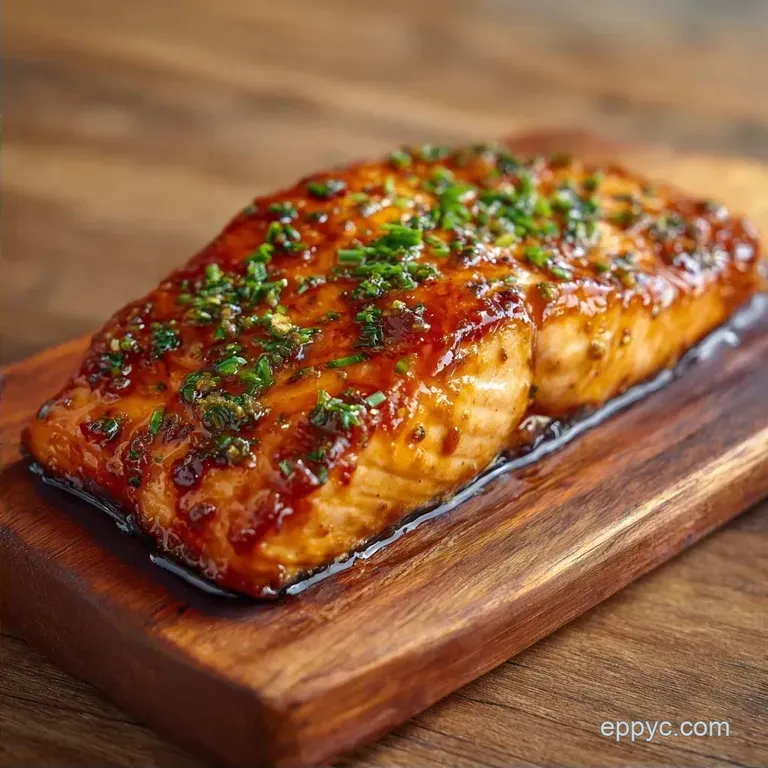
- Time: 20 min active + 2 hours soaking
- Flavor/Texture Hook: Smoky, mahogany glaze with a shatter crisp edge
- Perfect for: Weekend dinner parties or an impressive date night
The smell of wet cedar hitting a hot grill is something you just can't replicate. It starts as a soft hiss and then turns into this thick, aromatic smoke that wraps around the fish.
I remember the first time I tried this, I was terrified the whole deck would go up in flames, but once I saw that glossy, dark red glaze bubbling on top of the fillet, I knew I'd found a winner.
You don't need to be a grill master to get this right. The real trick is letting the wood do the heavy lifting. It acts as a shield, so you aren't fighting with sticking fish or charred exteriors and raw centers.
This Cedar Plank Glazed Salmon is all about the payoff. You spend a few minutes whisking a sweet savory sauce and a couple of hours forgetting about the planks in the sink, and the result is a centerpiece that looks like it came from a high end steakhouse.
Cedar Plank Glazed Salmon Guide
Steam Infusion: The soaked wood releases moisture as it heats, creating a steam chamber that keeps the salmon from drying out.
Sugar Caramelization: The maple syrup and honey break down under heat, creating a sticky, mahogany crust.
Smoke Absorption: Because the fish sits directly on the wood, the oils in the cedar penetrate the flesh, adding a deep forest aroma.
Temperature Buffer: The plank prevents the fish from touching the metal grates, which stops the protein from seizing and sticking.
| Method | Time | Texture | Best For |
|---|---|---|---|
| Direct Grill | 10-12 min | Charred/Firm | Quick weeknight meals |
| Cedar Plank | 15 min | Velvety/Smoky | Special occasions |
| Oven Roast | 15-20 min | Soft/Uniform | Winter days/Indoor cooking |
Ingredient Deep Dive
| Ingredient | Science Role | Pro Secret |
|---|---|---|
| Salmon Fillet | Primary Protein | Use center cut for even cooking |
| Maple Syrup | Sugars for browning | Grade A Amber gives the best color |
| Soy Sauce | Salt and Umami | Adds depth; see my Soy Sauce Glazed Salmon for more ideas |
| Lemon Juice | Acid balance | Cuts through the fat of the fish |
Gear You'll Need
You don't need a fancy setup, but a few specific things make a difference. First, get untreated cedar planks. Most grocery stores sell them pre cut. If you buy raw wood, make sure it's food grade and hasn't been treated with chemicals.
A meat thermometer is non negotiable. Salmon overcooks in a heartbeat, and the difference between "juicy" and "cardboard" is about five degrees. An instant read digital probe is your best friend here.
Finally, use a silicone brush for the glaze. Metal bristles can scratch the fish or leave marks on the plank. A soft brush lets you layer the syrup and honey without tearing the delicate surface of the salmon.
Key Steps
Phase 1: Preparing the Plank
Submerge cedar planks in water for at least 2 hours. Note: This prevents the wood from catching fire immediately and creates the steam effect.
Pat the salmon fillets dry with paper towels. Note: Moisture on the skin prevents the oil from searing properly.
Brush the bottom of the fillets with olive oil and season with salt and pepper.
Phase 2: Glazing and Layering
Whisk maple syrup, honey, soy sauce, lemon juice, ginger, and garlic in a small bowl until smooth.
Place the salmon on the soaked cedar plank.
Brush a generous layer of glaze over the top. Let the fish sit for 10 minutes until the glaze begins to seep into the flesh.
Phase 3: The Cooking Process
Preheat the grill to medium high heat (approximately 375°F / 190°C).
Place the plank directly on the grill grates and close the lid.
Every 5 minutes, brush more glaze over the salmon until the top is a deep, glossy mahogany.
Remove the plank when the internal temperature reaches 135°F (57°C) for medium rare or 145°F (63°C) for medium.
Common Mistakes & Troubleshooting
| Issue | Solution |
|---|---|
| Why Your Plank Catches Fire | If the edges of your wood start flaming up, don't panic. This usually happens if the plank wasn't soaked long enough or the grill is too hot. |
| Why the Salmon Sticks | This happens when the fish is placed on the wood before it's oiled or if the plank is too dry. Always oil the fish, not the wood. |
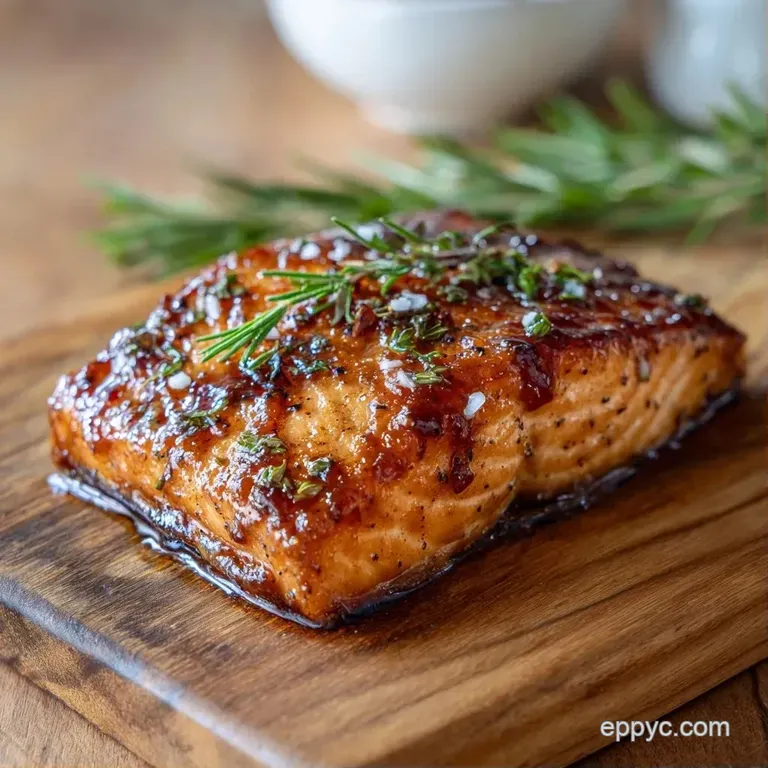
| Why the Glaze Burns | Maple syrup and honey have high sugar content. If your grill is screaming hot, the glaze will turn black before the fish is cooked through. |
Checklist for Success:
- ✓ Planks soaked for at least 120 minutes.
- ✓ Salmon patted bone dry before oiling.
- ✓ Thermometer used to check center temperature.
- ✓ Glaze applied in layers every 5 minutes.
- ✓ Grill lid kept closed for smoke circulation.
Creative Twists and Swaps
If you want to move away from the maple flavor, try a Miso Glazed Cedar Plank Salmon. Swap the maple syrup for white miso paste and a splash of mirin. This gives it a salty, fermented funk that works beautifully with the smoke.
For those who like heat, I highly recommend stirring in a tablespoon of my Hot Honey recipe into the glaze. The chili kick cuts right through the richness of the salmon.
If you don't have a grill, an Easy Cedar Plank Salmon Oven method works. Put the plank on a baking sheet and bake at 400°F (200°C). You won't get as much smoke, but the steam effect still keeps the fish velvety.
| Original Ingredient | Substitute | Why It Works |
|---|---|---|
| Maple Syrup (1/4 cup) | Brown Rice Syrup (1/4 cup) | Similar viscosity. Note: Less woody flavor than maple |
| Honey (2 tbsp) | Agave Nectar (2 tbsp) | Similar sweetness. Note: Slightly thinner consistency |
| Soy Sauce (1 tbsp) | Coconut Aminos (1 tbsp) | Salty/Umami. Note: Lower sodium and soy free |
Adjusting Your Batch Size
When cutting this recipe in half, use a smaller plank or trim your current one with a saw. Reduce your grill preheat time slightly, as a smaller piece of fish doesn't hold as much thermal mass and can overcook faster.
If you're doubling the recipe for a crowd, don't just double the salt and pepper. Use about 1.5x the seasoning to avoid over salting. You will need two planks, and I recommend staggering them on the grill to ensure there's enough airflow between them for the smoke to circulate.
For very large fillets (over 3 lbs), lower the grill temperature by about 25°F. This ensures the center reaches 135°F before the mahogany glaze on top turns into charcoal.
Wood and Heat Myths
A common myth is that you need to "seal" the fish by searing it before putting it on the plank. This is a waste of time. The plank provides a gentle, indirect heat that is far superior for maintaining moisture. According to guidelines from Serious Eats, indirect heat prevents the protein from tightening too quickly.
Another misconception is that any wood will work. Do not use pine or treated lumber. These contain resins or chemicals that are toxic and will make your fish taste like a hardware store. Stick to cedar or alder.
Storage Guidelines
Keep your leftovers in an airtight glass container in the fridge for up to 3 days. Salmon can get a bit "fishy" if left too long, so eat it quickly.
To reheat, avoid the microwave, which will make the fish rubbery. Instead, place the fillet in a pan with a teaspoon of butter over medium low heat. Cover the pan to trap the moisture and heat until the fish is just warm.
For zero waste, save any salmon scraps or the tail piece. You can chop them up finely, mix with mayo and capers, and make salmon cakes. If you have leftover glaze, simmer it in a pan for 2 minutes to thicken it into a reduction for roasted carrots.
Serving Suggestions
For a bright contrast, serve this with a crisp cucumber salad with rice vinegar and sesame seeds. The acidity cleanses the palate between bites of the rich, smoky fish.
If you want a hearty balance, a bed of lemon butter asparagus or wild rice works best. The earthiness of the rice complements the cedar smoke perfectly.
Finally, garnish with fresh dill and a squeeze of fresh lemon right before serving. The hit of citrus wakes up the sugars in the glaze and makes the whole dish pop.
Recipe FAQs
How to cook salmon on a cedar plank?
Place the soaked plank on a medium high grill (375°F / 190°C) and close the lid. Brush additional glaze every 5 minutes until the internal temperature reaches 135°F for medium rare or 145°F for medium.
Should I glaze salmon before or after cooking?
Glaze both before and during the cooking process. Apply a generous layer before grilling and continue brushing every 5 minutes to build a deep, glossy mahogany crust.
What is so special about cedar plank salmon?
The wood infuses the fillet with a distinct smoky aroma while steaming the fish. This technique protects the salmon from direct heat, resulting in a moister texture than traditional grilling.
What do you soak cedar planks in for salmon?
Submerge the planks in water for at least 2 hours. This saturation prevents the wood from igniting and creates the steam needed to cook the fish evenly.
Is it true I should oil the cedar plank to prevent sticking?
No, this is a common misconception. You should brush olive oil directly onto the salmon fillets rather than the wood to ensure the fish releases easily.
Why does the cedar plank sometimes catch fire?
The wood was likely not soaked long enough or the grill temperature is too high. If the edges flame up, avoid panicking and ensure your grill is maintained at approximately 375°F.
What is a great side dish for cedar plank salmon?
Crispy green vegetables balance the sweetness of the glaze. This pairing works perfectly with roasted asparagus for a light, healthy meal.
Cedar Plank Glazed Salmon