How to Make Fettuccine Alfredo: Velvety Sauce

- Time: Active 10 minutes, Passive 15 minutes, Total 25 minutes
- Flavor/Texture Hook: Silky, buttery, and incredibly velvety
- Perfect for: Busy weeknights or a heartfelt romantic dinner
- Simple Steps for How to Make Fettuccine Alfredo
- The Science of Why it Works
- Component Analysis of the Sauce
- Components for This Creamy Dish
- Minimal Kitchen Tools You Need
- Cooking This Creamy Italian Pasta
- Pro Hacks for Flawless Pasta
- Customizing Your Creamy Pasta Bowl
- Storing and Reheating Your Meal
- Side Dishes for Your Pasta
- Debunking Common Creamy Sauce Myths
- Recipe FAQs
- 📝 Recipe Card
Nothing beats the velvety sizzle of garlic hitting a pool of melting butter. We have all been there, standing over a stove, hoping the cheese doesn't clump into a rubbery mess that ruins the evening. It is a common pain point that makes many home cooks reach for a jar instead of the real thing.
But what if I told you that the digital age precision of a few simple steps could empower you to ditch the store-bought stuff forever?
This recipe is my heartfelt solution for anyone who wants a luxury meal without the stress. I remember the first time I tried to whip this up; I used pre shredded cheese and ended up with a gritty disaster. It was a lesson learned the hard way!
Now, I use technology driven tips, like using a kitchen scale for the cheese, to ensure every bite is a triumph.
We are going to focus on a few reliable steps that preserve the quality of your ingredients while keeping things efficient. You won't need a dozen pots and pans for this one. Right then, let's crack on and look at why this specific method is a game changer for your dinner rotation.
Simple Steps for How to Make Fettuccine Alfredo
The Starch Bridge
Pasta water acts as a glue between the noodles and the fats. When you boil 1 lb Dried Fettuccine, the water becomes saturated with starch. This liquid helps the 1 cup Heavy whipping cream and 1.5 cups Parmigiano Reggiano bind together instead of separating into an oily puddle.
Fat Stability
Using 1/2 cup Unsalted high-quality butter provides the foundation for the sauce. high-quality butter has a lower water content, which helps create a thicker, more stable emulsion. This stability is why your sauce stays silky even as it cools slightly on the plate.
Residual Heat Finish
The cheese is never added over high heat. Instead, we use the residual warmth of the cooked pasta to melt the 1.5 cups Parmigiano Reggiano. This prevents the proteins in the cheese from tightening up and becoming stringy or tough.
The Science of Why it Works
Emulsification: The lecithin in heavy cream and the starches in pasta water act as stabilizers that allow fat and water to mix into a smooth sauce. This prevents the "broken" appearance often seen in lower quality versions.
Protein Suspension: Finely grated cheese dissolves quickly because the increased surface area allows the fat molecules to surround the protein strands evenly. This creates that specific "velvety" mouthfeel we all crave.
Component Analysis of the Sauce
| Ingredient | Science Role | Pro Secret |
|---|---|---|
| 1 lb Dried Fettuccine | Starch Source | Use a brand like De Cecco for better surface texture. |
| 1.5 cups Parmigiano Reggiano | Protein & Flavor | Grate it on a Microplane for instant melting. |
| 1 cup Heavy whipping cream | Fat Medium | Ensure it is at room temperature to avoid curdling. |
| 1/2 cup Reserved pasta water | Emulsifier | Never toss this until the dish is fully plated. |
Components for This Creamy Dish
To get the best results, you need to be picky about what goes into your pot. I always suggest using the best ingredients you can find, as there are so few of them. Each one has to pull its weight!
- 1 lb Dried Fettuccine: Look for "bronze cut" pasta. Why this? The rough surface holds onto the sauce much better than smooth pasta.
- 2 tbsp Sea salt: This is for the boiling water. Why this? It seasons the pasta from the inside out.
- 1/2 cup Unsalted high-quality butter: I prefer Kerrygold or a similar European style butter. Why this? Higher fat content means a creamier finish.
- 1 cup Heavy whipping cream: Do not use half and half here. Why this? The higher fat percentage prevents the sauce from breaking.
- 1.5 cups Parmigiano Reggiano, freshly grated: Buy the wedge, not the green shaker can. Why this? Fresh cheese melts smoothly; pre shredded cheese contains anti clumping wood pulp.
- 2 cloves Garlic, smashed and peeled: These are just for infusing the butter. Why this? It provides a subtle aroma without harsh chunks.
- 1/2 tsp Freshly cracked black pepper: Use a Peugeot grinder for the best texture. Why this? Pre ground pepper tastes like dust compared to fresh.
- 1 pinch Nutmeg: A tiny bit goes a long way. Why this? It adds a hidden depth that cuts through the heavy fat.
Ingredient Substitutes
| Original Ingredient | Substitute | Why It Works |
|---|---|---|
| Heavy whipping cream | Full fat Coconut Milk | Similar fat levels. Note: Adds a noticeable tropical flavor. |
| Parmigiano Reggiano | Pecorino Romano | Salty and sharp. Note: Makes the dish much saltier; reduce added salt. |
| Dried Fettuccine | Zucchini Noodles | Provides a similar shape. Note: Will be much lighter and less filling. |
Minimal Kitchen Tools You Need
You don't need a high tech kitchen to learn how to make fettuccine alfredo. In fact, keeping it simple is better for the sauce. I usually reach for my Lodge Enameled Cast Iron Dutch Oven because it holds heat beautifully, but a large deep skillet works too.
A sturdy whisk is your best friend here. It helps incorporate the cheese into the cream quickly. You will also need a Microplane or a fine box grater. Honestly, if you try to use a coarse grater, the cheese won't melt fast enough, and you'll end up with lumps. If you're feeling adventurous later, you might try a variation like my Creamy Shrimp Alfredo recipe which uses similar basic tools.
Cooking This Creamy Italian Pasta
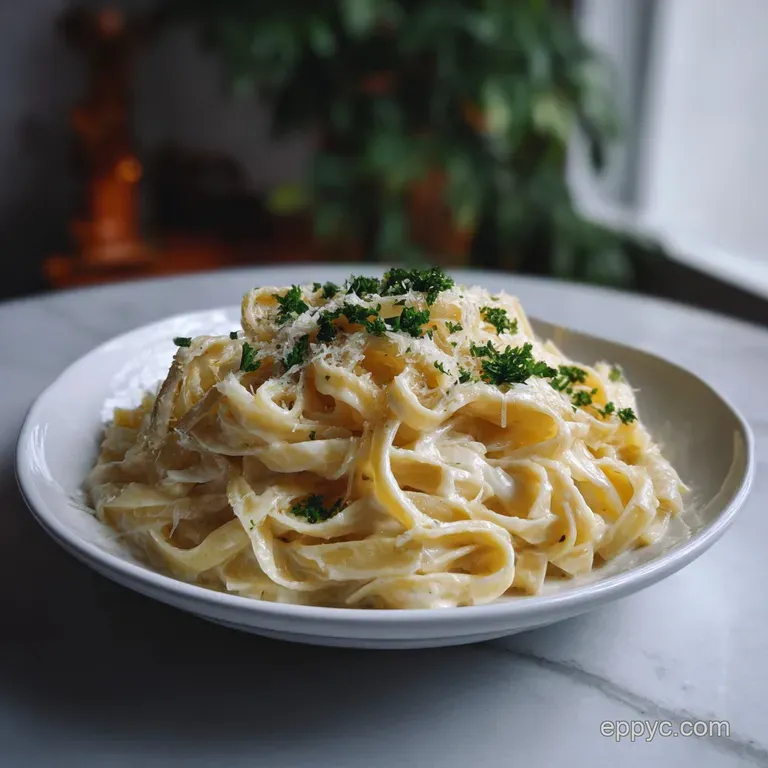
- Boil the water. Fill a large pot with water and add 2 tbsp Sea salt. Bring to a rolling boil until big bubbles break the surface.
- Cook the noodles. Add 1 lb Dried Fettuccine to the water. Boil for about 10 minutes until al dente (firm to the bite).
- Infuse the butter. While the pasta cooks, melt 1/2 cup Unsalted high-quality butter in a large skillet over medium heat. Add 2 cloves Garlic, smashed. Note: This perfumes the fat without burning the garlic.
- Add the cream. Pour in 1 cup Heavy whipping cream and add 1/2 tsp Freshly cracked black pepper and 1 pinch Nutmeg.
- Simmer the base. Let the cream mixture bubble gently for 3-5 minutes until it thickens slightly and coats the back of a spoon.
- Save the liquid. Before draining the pasta, scoop out 1/2 cup Reserved starchy pasta water. Note: This is your insurance policy for a smooth sauce.
- Remove the garlic. Discard the garlic cloves from the cream. They have done their job!
- Combine the elements. Add the drained fettuccine directly into the skillet with the cream.
- Incorporate the cheese. Turn the heat to low. Sprinkle in 1.5 cups Parmigiano Reggiano, one handful at a time, tossing constantly.
- Adjust the texture. If the sauce looks too thick, splash in the reserved pasta water 1 tablespoon at a time until the sauce is glossy and velvety.
Pro Hacks for Flawless Pasta
1. The Cheese Temperature
Always let your 1.5 cups Parmigiano Reggiano sit on the counter for 15 minutes before adding it to the pan. Cold cheese can shock the sauce and cause it to separate. When the cheese is closer to room temperature, it integrates much faster.
2. The Grating Secret
Chef's Note: Freeze your cheese wedge for 10 minutes before grating. It makes the cheese firmer and prevents it from gumming up your Microplane, giving you those perfect, airy wisps that melt instantly.
3. Emulsion Management
If you see the sauce starting to look oily, stop adding cheese immediately. Add a splash of that starchy water and whisk vigorously. This re establishes the emulsion by adding moisture and starch back into the fat heavy environment.
3 Common Mistakes
- Rinsing the Pasta: Never rinse your noodles! You need that surface starch to help the sauce stick.
- High Heat: Adding cheese to boiling cream will "scorch" the proteins. Keep it on low or even turn the burner off.
- Pre grated Cheese: This is the biggest mistake you can make. The potato starch used to keep the shreds separate in the bag will make your sauce grainy.
| Problem | Cause | Fix | Pro Tip |
|---|---|---|---|
| Clumpy Sauce | Added cheese too fast | Whisk in pasta water | Add cheese in 3 separate batches |
| Thin Sauce | Not enough reduction | Simmer cream longer | Let it sit for 2 mins after mixing |
| Oily Finish | Sauce broke (too hot) | Remove from heat & whisk | Use heavy cream, not milk |
Customizing Your Creamy Pasta Bowl
Once you know how to make fettuccine alfredo the traditional way, you can start experimenting. I love adding a bit of protein to make it a fuller meal. A great choice is to follow the steps in my Creamy Garlic Clam recipe if you want a seafood twist.
1. The Protein Add Ons
You can easily top this with sliced grilled chicken breast or sautéed shrimp. If you want something a bit different, crispy pancetta or bacon bits add a wonderful salty crunch that contrasts with the creamy sauce.
2. Dietary Swaps
If you need to make this gluten-free, use a high-quality brown rice fettuccine. For a lower carb version, spaghetti squash works surprisingly well, though you should squeeze all the moisture out of the squash strands first so the sauce doesn't get watery.
Decision Shortcut
- If you want a thicker sauce, simmer the cream for an extra 2 minutes before adding pasta.
- If you want a lighter feel, swap 1/4 cup of the cream for more pasta water.
- If you want a punchier flavor, add a teaspoon of lemon zest at the very end.
Storing and Reheating Your Meal
Leftover alfredo can be tricky because the fats tend to solidify and separate when cold. Store your leftovers in an airtight container in the fridge for up to 3 days. I do not recommend freezing this dish, as the cream and cheese will lose their silky texture and become grainy upon thawing.
To reheat, do not use the microwave if you can avoid it! It will turn your beautiful sauce into an oil slick. Instead, put the pasta in a skillet with a splash of milk or water. Heat it over low, tossing constantly, until it becomes creamy again. This gentle heat helps the fats and liquids re emulsify.
Zero Waste Tip: Don't throw away those Parmigiano Reggiano rinds! Toss them into your next batch of vegetable soup or minestrone. They add a deep, savory richness that is absolutely brilliant.
Side Dishes for Your Pasta
Since this dish is quite heavy, I usually pair it with something bright or crunchy. A simple arugula salad with a lemon vinaigrette is my go to. The acidity of the lemon cuts right through the richness of the butter and cream.
1. The Classic Side
Garlic bread is the obvious choice, but try making it with a sourdough baguette for extra flavor. The tang of the sourdough works beautifully with the nutmeg in the sauce.
2. The Vegetable Balance
Roasted broccoli or sautéed asparagus provides a nice textural contrast. I like to roast my broccoli until the edges are almost charred and "shatter" when you bite into them. This adds a smoky element that makes the meal feel complete.
Debunking Common Creamy Sauce Myths
Myth: Authentic Italian Alfredo uses heavy cream. Truth: Traditional "Fettuccine all'Alfredo" only uses butter and cheese. However, the American version with cream is much more stable for home cooks and provides that velvety texture we expect in modern kitchens.
Using cream is not "wrong," it is just a different style that is easier to master.
Myth: You must use fresh pasta for it to be good. Truth: While fresh pasta is lovely, high-quality dried pasta actually has more structure. This allows it to stand up to the heavy sauce without becoming a mushy mess.
Dried pasta also releases more starch into the water, which is essential for our "starch bridge" technique.
Myth: Adding oil to the pasta water prevents sticking. Truth: Oil actually prevents the sauce from sticking to the noodles! To prevent sticking, just use a large pot with plenty of water and give it a good stir in the first 2 minutes of cooking.
When you finally sit down to eat, notice the way the sauce clings to every strand. It should be glossy, not gloopy. By following these reliable steps, you have empowered yourself to create a restaurant level experience right at home.
It is a heartfelt way to show love to your family or just treat yourself after a long day of digital meetings.
Now that you have the basics down, you can confidently make fettuccine alfredo whenever the craving hits. Trust me, once you taste the difference that fresh cheese and high-quality butter make, there is no going back to the jar. Let's make every dinner a triumph!
Recipe FAQs
Can I substitute pre-grated cheese for fresh Parmigiano Reggiano?
No, absolutely not. Pre-shredded cheese contains anti caking agents like cellulose or potato starch which prevent it from melting smoothly, resulting in a gritty or lumpy sauce.
What is the key component that prevents the sauce from becoming oily?
Starchy pasta water. This starchy liquid acts as an emulsifier, helping the butter and cream bind together into a stable, glossy sauce rather than separating into oil and liquid.
Should I add the cheese over high heat?
No, keep the heat low or off. Adding cheese when the liquid is too hot will cause the milk proteins to seize up, leading to a tough, stringy texture rather than a velvety one.
What is the benefit of using high fat European style butter?
It creates a richer, more stable emulsion because of lower water content. Less water in the butter means more pure fat to coat the starches and proteins, leading to a silkier final product.
Can I make this sauce ahead of time, perhaps skipping the cream part?
No, Alfredo sauce should be finished immediately before serving. While you can make the pasta, the sauce must be emulsified just as the hot noodles enter the pan; reheating separated dairy and fat mixtures is notoriously difficult.
What is a good side dish to balance the richness of this creamy pasta?
A simple green salad with an acidic dressing works best. The acidity cuts through the heavy fat content, cleansing the palate between bites, much like how acid balances heavy flavors in a complex dish like Carbonara Master the Authentic Creamy Roman Pasta Sauce No Cream.
My sauce is too thick after I add the cheese; how do I fix it?
Add your reserved pasta water one tablespoon at a time while tossing vigorously. This technique of carefully managing hydration is similar to how you achieve the perfect consistency when building sauces like those used in The Best Homemade Shrimp Linguine Alfredo Recipe 35 Mins.
Fettuccine Alfredo From Scratch
Ingredients:
Instructions:
Nutrition Facts:
| Calories | 951 kcal |
|---|---|
| Protein | 28.2 g |
| Fat | 56.4 g |
| Carbs | 87.9 g |
| Fiber | 3.2 g |
| Sugar | 4.1 g |
| Sodium | 1045 mg |
