Perfect Surf and Turf Recipes: Decoupling Land & Sea
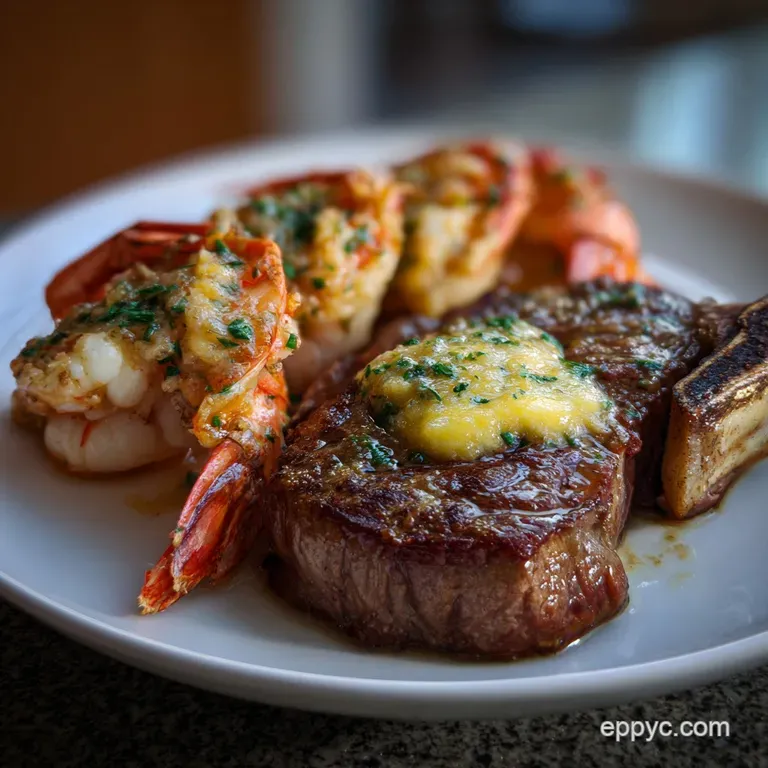
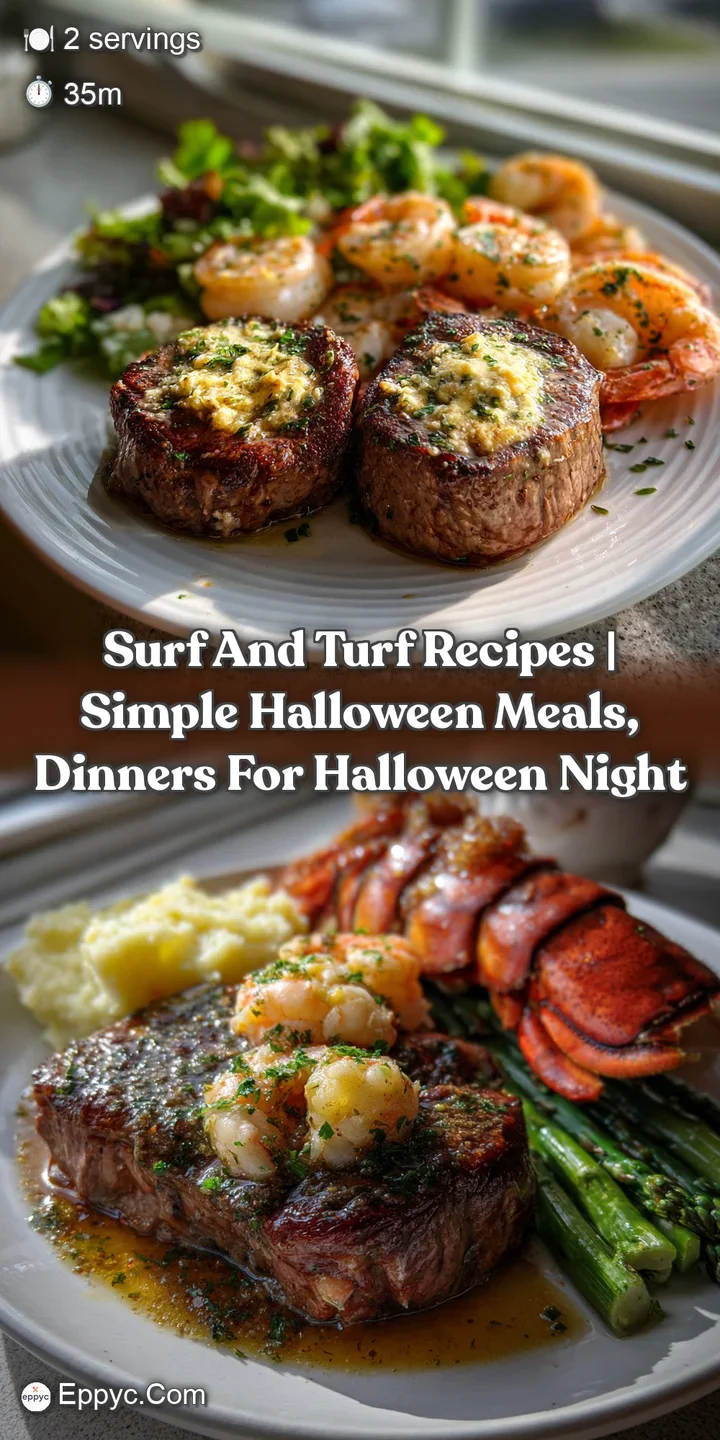
- Effort/Time: 35 minutes total (High-intensity)
- Flavor Hook: Rich, bone-marrow-depth ribeye meets sweet, velvety garlic-butter lobster.
- Perfect for: Date-night-ins, celebratory milestones, or an upscale Halloween-night-dinner.
- The Alchemy of Umami: Mastering Professional Surf and Turf Recipes
- The Science of Why It Works
- Strategic Timing and Thermal Specifications
- The Precision Ingredient Matrix: Selecting Your Elements
- Critical Equipment for Thermal Mass Retention
- The Masterclass Protocol: Key Steps to Perfection
- Common Mistakes & Troubleshooting Your Surf and Turf Recipes
- Flavor Architecture: Variations & Substitutions
- Strategic Storage & Reheating Protocol
- Serving Suggestions: The Final Presentation
- Recipe FAQs
- 📝 Recipe Card
The Alchemy of Umami: Mastering Professional Surf and Turf Recipes
We’ve all been there: a $70 grocery bill ends in a ribeye that looks like boiled wool and lobster tails with the structural integrity of a garden hose. I’ve ruined more than my fair share of "luxury" dinners by trying to cook everything in one pan at the same temperature.
The secret to professional surf and turf recipes isn't just the quality of the protein; it's managing the radically different denaturation points of bovine muscle and crustacean fibers.
Trust me, once you understand the physics of the sear and the chemistry of the "bloody" red wine reduction, you’ll never order this at a steakhouse again. We are aiming for a mahogany crusted steak that yields to a butter knife and lobster that "pops" with sweetness rather than resisting with chewiness.
Let’s crack on. Mastering these principles elevates simple surf and turf recipes to restaurant quality.
This approach utilizes a multi stage thermal protocol: a high mass cast iron sear for the beef and a gentle broil for the lobster. By the time your steak is resting a critical phase for moisture redistribution your lobster is finishing under the radiant heat of the broiler.
It is a choreographed dance of heat and timing that ensures both proteins hit their peak internal temperature simultaneously, which is key to all successful surf and turf recipes.
The Science of Why It Works
- Maillard Reaction Mastery: over High heat searing triggers the chemical reaction between amino acids and reducing sugars, creating hundreds of flavor compounds and a deep mahogany crust.
- Protein Denaturation Control: Lobster proteins (primarily myosin) shrink and toughen rapidly above 140°F; the butterfly technique exposes the meat to direct radiant heat for a faster, more controlled cook.
- Emulsion Stability: Using cold unsalted butter to finish the wine reduction creates a "beurre monté" effect, where milk solids suspend in the wine's acidity for a velvety mouthfeel.
Strategic Timing and Thermal Specifications
Efficiency in surf and turf recipes requires a strict "Mise en Place" (everything in its place) before the first spark of the burner. Because lobster cooks in roughly 8 minutes and a thick ribeye needs about 12 minutes (including the sear and baste), your workflow must be rhythmic.
Following this guide ensures your version of surf and turf recipes stays on track.
| Specification | Value | Context for Success |
|---|---|---|
| Prep Time | 20 minutes | Includes butterflying lobster and steak tempering. |
| Cook Time | 15 minutes | Active cooking time for steak and lobster. |
| Total Time | 35 minutes | From fridge to table. |
| Yield | 2 Servings | Scalable, but watch for pan crowding. |
| Steak Target | 130°F (54°C) | Pull at 125°F for a perfect Medium Rare after resting. |
| Lobster Target | 140°F (60°C) | Opaque and firm, but not shrunken. |
The Precision Ingredient Matrix: Selecting Your Elements
| Ingredient | Chemical/Physical Role (Science) | The Pro Secret (Why This Matters) |
|---|---|---|
| Ribeye (340g) | Intramuscular fat (marbling) renders into liquid gold. | Bone-in provides thermal insulation, preventing overcooking near the edge. |
| Cold Water Lobster | High collagen-to-muscle ratio for "snap." | Cold water tails are denser and sweeter than warm water varieties. |
| Dry Red Wine | Tartaric acid provides a bright counterpoint to heavy fats. | Cabernet Sauvignon has the tannins to stand up to the ribeye’s richness. |
| Cold Butter | Saturated fat used for "mounting" the sauce. | Keeping it cold prevents the emulsion from "breaking" into a greasy mess. |
Essential Components for the "Turf"
- 2 (12 oz / 340g) Ribeye steaks: Look for Prime or High Choice grading with heavy white marbling. Why this? Intramuscular fat lubricates muscle fibers during over high heat searing.
- 2 tsp (10g) Diamond Crystal Kosher Salt: Use a coarse grain for better surface area coverage.
- 1 tsp (5g) Coarse black pepper: Provides "bite" and textural contrast to the crust.
- 2 tbsp (30ml) Avocado oil: Why this? Smoke point of 520°F prevents acrid flavor during the sear.
Essential Components for the "Surf"
- 2 (6 oz / 170g) Cold water lobster tails: These must be thawed completely if purchased frozen.
- 1 tbsp (15ml) Extra virgin olive oil: Acts as a heat conductor for the paprika.
- ½ tsp (2.5g) Smoked paprika: Adds a subtle "charcoal" depth without a grill.
The Aromatic Baste and "Bloody" Reduction
- 4 tbsp (56g) Unsalted butter: Used for the "Arrosé" technique.
- 4 cloves garlic, smashed: Why this? Smashing releases allicin without burning the garlic too quickly.
- 3 sprigs each fresh rosemary/thyme: Essential for herbaceous aroma.
- ½ cup (120ml) Dry red wine: Use something you’d actually drink.
- ¼ cup (60ml) Beef bone broth: Adds gelatinous body to the final glaze.
- 1 small shallot, minced: Provides a sweet, sulfurous aromatic base.
- 1 tbsp (14g) Cold unsalted butter: To finish the sauce.
Critical Equipment for Thermal Mass Retention
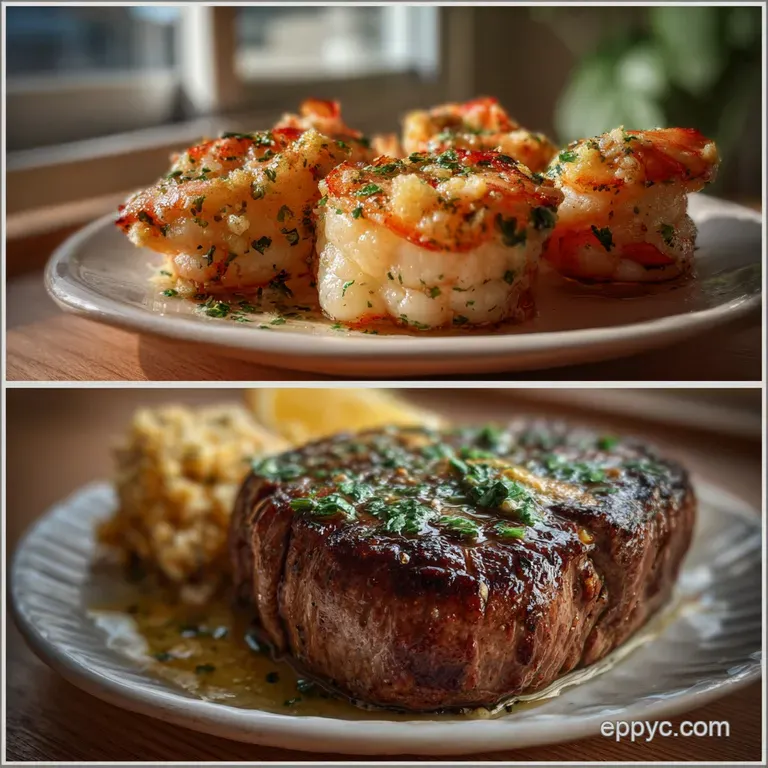
- Lodge Cast Iron Skillet (12 inch): Essential for "Thermal Mass Recovery." When you drop a cold steak into a thin pan, the temperature plummets. Cast iron holds onto heat like a battery, ensuring the sear never stops.
- Instant Read Thermometer (ThermoWorks Thermapen): There is zero room for guesswork in surf and turf recipes. 5 degrees is the difference between "velvety" and "shoe leather."
- Kitchen Shears: Necessary for the butterfly technique without mangling the delicate lobster meat.
- Baking Sheet with Wire Rack: Allows heat to circulate under the lobster tails for even cooking.
The Masterclass Protocol: Key Steps to Perfection
1. The Tempering Phase
Remove your 2 Ribeye steaks from the fridge 45 minutes before cooking. Pat them bone dry with paper towels. Moisture is the enemy of the sear. If the surface is wet, the heat energy is wasted evaporating water instead of browning the meat.
Season aggressively with Diamond Crystal Kosher Salt.
2. Butterfly the Lobster
Using kitchen shears, snip down the center of the top shell toward the tail. Stop just before the tail fin. Use your thumbs to gently pry the shell open and lift the meat upward, resting it on top of the shell.
Tactile cue: The meat should feel firm and translucent. Rub with olive oil and smoked paprika.
3. The over High heat Sear
Heat your Lodge Cast Iron Skillet over high heat until the avocado oil just begins to wisps of smoke. Place the Ribeyes in the pan (laying them away from you to avoid splashes). Sear for 3 minutes until a mahogany brown crust forms and the meat releases naturally from the pan.
4. The Arrosé (Butter Basting)
Flip the steaks. Immediately add 4 tbsp (56g) unsalted butter, smashed garlic, and herb sprigs. As the butter foams, tilt the pan and spoon the hot, flavored fat over the steaks repeatedly. Sauté for 3 4 minutes until the internal temperature reaches 125°F.
5. The Rest and Recovery
Move the steaks to a warm plate. This is non-negotiable. Resting allows muscle fibers to relax and reabsorb juices. If you cut now, the juice will end up on the board, not in your mouth.
6. Broiling the Surf
While the steak rests, slide the lobster tails onto the top rack under the broiler (set to high). Broil for 7 9 minutes until the meat is opaque, the shells turn bright red, and the edges of the meat slightly singe.
7. The Red Wine Reduction
In the same skillet used for the steak (keep the brown bits/fond!), sauté the minced shallot for 1 minute until translucent and the pungent smell shifts to sweet. Pour in the red wine and bone broth. Scrape the bottom of the pan vigorously.
Learning this technique is what separates amateur cooking from mastering these high end surf and turf recipes.
8. Mounting the Sauce
Simmer the wine mixture for 4 minutes until reduced by half and thick enough to coat the back of a spoon. Whisk in the 1 tbsp of cold butter. Visual cue: The sauce will shift from watery to glossy and opaque.
Common Mistakes & Troubleshooting Your Surf and Turf Recipes
Why Your Steak Lacks a Crust
This is usually caused by "crowding" or "surface moisture." If you put too much in the pan, the temperature drops and the meat steams in its own juices.
| Problem | Root Cause | The Fix | Pro Protocol |
|---|---|---|---|
| Gray Banding | Cooking straight from the fridge. | Temper at room temp for 45 mins. | Flip the steak every 2 minutes for even heat penetration. |
| Rubbery Lobster | Overcooking past 145°F. | Pull at 135°F; carryover heat finishes it. | Brush with butter halfway through broiling to keep it moist. |
| Broken Sauce | Boiling the sauce after adding butter. | Add butter OFF the heat. | Use a whisk to vigorously emulsify the fat into the liquid. |
Why Your Lobster is Tough
The physical mechanism here is protein coagulation. As the temperature rises, the proteins in lobster tail wrap around each other tightly, squeezing out moisture. If your lobster feels like a rubber ball, it’s because the heat was applied too long, or the tail wasn't thawed properly, leading to uneven cooking.
Perfecting this element is crucial for any great set of surf and turf recipes.
Flavor Architecture: Variations & Substitutions
If you're looking for Simple Halloween Meals, you can transform this dish into a "Vampire's Dinner" by increasing the garlic to 8 cloves and using a deeply pigmented Malbec for a "bloodier" looking sauce.
This fits perfectly into Spooky Food Ideas For Dinner without sacrificing the "Masterclass" quality of the ingredients.
| Original Ingredient | Substitute | Why It Works |
|---|---|---|
| Ribeye Steak | Filet Mignon | Leaner and more tender, but lacks the fat-driven flavor of ribeye. |
| Lobster Tail | Colossal Shrimp (U-10) | Faster cook time; great for Halloween Cookout Ideas. |
| Red Wine | Balsamic Vinegar + Beef Broth | Provides the necessary acidity and sugar for reduction without alcohol. |
| Butter | Ghee (Clarified Butter) | Higher smoke point, though lacks the milk solid "nuttiness" of brown butter. |
For those planning Dinners For Halloween Night, consider serving the red wine reduction in a small ramekin on the side, labeled as "Essence of Night." It’s an easy way to integrate Easy Food For Halloween Party vibes into a five star meal.
These slight tweaks show the versatility of quality surf and turf recipes.
Strategic Storage & Reheating Protocol
Surf and turf recipes are best enjoyed immediately. However, if you have leftovers, you must handle them with scientific care to avoid the dreaded "reheated fish" smell.
- Fridge: Store steak and lobster in separate airtight containers for up to 2 days.
- Freezing: Do not freeze the cooked lobster (the texture becomes mealy). The steak can be frozen for up to 1 month, wrapped tightly in plastic and foil.
- Reheating (The Gentle Method): Never use a microwave. For the steak, use a low oven (250°F) until just warm. For the lobster, steam it for 2 minutes over boiling water to restore moisture without further cooking.
Zero Waste Tip: Don't discard the lobster shells! Transform: Simmer shells with water, celery, and onion for 1 hour. Science: The shells contain chitin and glutamate, which create a high umami seafood stock for future risottos.
Serving Suggestions: The Final Presentation
To complete the "Masterclass" experience, pair this with a texture rich side. I highly recommend my Phyllo Dough Recipes — the crunch of the pastry provides a brilliant contrast to the velvety steak. If you want something creamier, the The Homemade Creamy recipe for macaroni and cheese turns this into a high low comfort food masterpiece.
For a final touch, ensure your plates are warm. A cold plate will suck the thermal energy out of your steak in seconds, causing the rendered fat to congeal. Simply pop your ceramic plates into a 150°F oven for 5 minutes before plating.
Whether you're making this for a romantic evening or looking for Halloween Cheap Food Ideas (by swapping the ribeye for a flank steak and the lobster for shrimp), the principles of thermodynamics and the Maillard reaction remain the same.
Master the heat, respect the rest, and enjoy the most iconic duo in culinary history. These surf and turf recipes are your ticket to becoming the designated "chef" of your friend group. Enjoy!
Recipe FAQs
What is the ideal resting time for the steak before slicing?
10 minutes minimum. Resting allows muscle fibers, tightened by high heat, to relax and reabsorb internal moisture. Cutting too soon results in lost surface juices, preventing flavor transfer.
Can I use a lower temperature oven for finishing the steak instead of basting?
No. Direct pan contact is essential for crust development. The intense thermal mass of cast iron initiates the Maillard reaction immediately upon contact. Basting is for internal temperature management, not surface browning.
What is the primary cause of tough, rubbery lobster meat?
Overheating above 140°F causes rapid protein tightening. Lobster proteins denature quickly; exceeding the safe temperature threshold causes excessive moisture expulsion and chewiness.
- Butterfly the tail completely
- Pull meat at 135°F internal
- Use radiant broiler heat only
Is it necessary to use a high smoke point oil like avocado oil for searing?
Avocado oil handles extreme heat better than olive oil. Olive oil's lower smoke point (<375°F) causes it to break down and produce acrid, bitter compounds before the steak achieves a proper sear.
Should I cook the lobster and steak together in the same pan?
No, they require radically different thermal management. Steak needs sustained, high conductive heat, while lobster requires short, controlled radiant heat to prevent toughness.
Myth: Freezing leftover lobster meat and reheating it later is fine.
Myth: Freezing cooked lobster preserves texture. Reality: The water crystals formed during freezing rupture the delicate muscle structure, leading to a mealy, dry texture upon thawing and reheating.
What is the best substitution if I don't have dry red wine for the reduction sauce?
Substitute with balsamic vinegar and beef broth. This combination mimics the acidity needed to cut the fat while providing the sugar and body for a successful reduction, similar to the acid balancing required when making Easy & Flavorful Hot Sauce Recipes: My Secret Pepper Sauce Method.
Master Surf And Turf Recipes
Ingredients:
Instructions:
Nutrition Facts:
| Calories | 1543 kcal |
|---|---|
| Protein | 107 g |
| Fat | 118 g |
| Carbs | 4 g |
| Fiber | 1 g |
| Sugar | 1 g |
| Sodium | 1350 mg |
