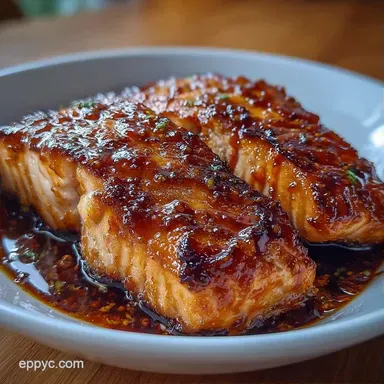
Pan Glazed Asian Salmon: Sticky and Caramelized
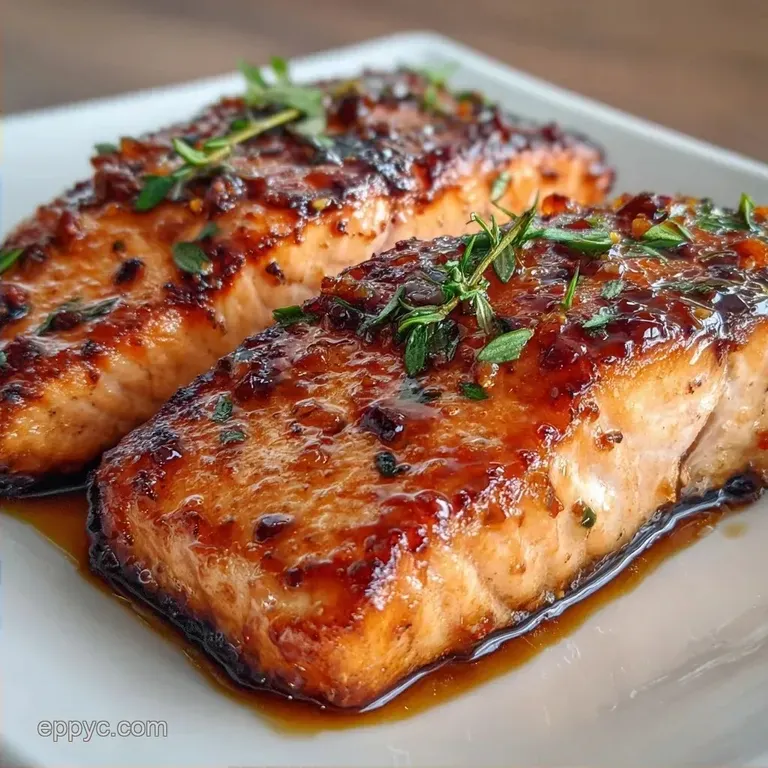
- Time: 5 min active + 15 min cook
- Flavor/Texture Hook: Salty sweet glaze with a crisp, caramelized crust
- Perfect for: Fast weeknight dinner that feels like a restaurant meal
Pan Glazed Asian Salmon Secrets
That aggressive sizzle the second the fish hits the oil is where the magic starts. But let me tell you about the time I completely ruined a dinner party by trying to "simmer" my salmon in sauce from the start.
I thought I was being clever by poaching it in the glaze, but I ended up with gray, rubbery fillets floating in a watery, thin soup. It was honestly a disaster, and the texture was more like canned tuna than a high end meal.
The fix was simple, but it changed everything. I realized that you can't just boil the fish in honey and soy. You have to treat the sear and the glaze as two separate events. First, you build a crust that can stand up to the liquid.
Then, you introduce the glaze and let it reduce into a thick, sticky syrup that clings to the salmon like a lacquer.
When you get this right, you get a stunning contrast. You have that rich, salty sweet punch of the soy and honey hitting the bright, acidic zip of rice vinegar. The fish stays tender and moist inside, while the outside is almost candy like.
This Pan Glazed Asian Salmon is all about those contradictions, and once you stop treating the sauce like a poaching liquid, you'll never go back.
The Way This Works
Since we're going for that restaurant style finish, there are a few things happening in the pan that you should know. It's not just about heat, but about how the sugars and proteins interact.
- Sugar Caramelization: The honey in the glaze hits the hot pan and browns quickly, creating a sticky coating that traps flavor.
- Protein Searing: High heat creates a brown crust on the fish, which provides a textural contrast to the soft interior.
- Reduction Thickening: As the water in the soy sauce evaporates, the sugars concentrate, turning a thin liquid into a velvety glaze.
- Acid Balance: The rice vinegar cuts through the heavy fat of the salmon, keeping the dish from feeling too "cloying" or heavy.
| Method | Time | Texture | Best For |
|---|---|---|---|
| Pan Glazed | 20 mins | Crisp crust, sticky glaze | Fast weeknights |
| Oven Baked | 25 mins | Uniformly tender, softer | Large crowds |
| air fried | 12 mins | Slightly drier, very firm | Healthy meal prep |
Ingredient Role Breakdown
Understanding why we use these specific components helps you tweak the recipe without breaking the balance.
| Ingredient | Science Role | Pro Secret |
|---|---|---|
| Honey | Thickener & Sweetener | Use a light clover honey to keep the color bright |
| Soy Sauce | Salt & Umami | Use low sodium if you're sensitive to salt |
| Rice Vinegar | Acidity | Adds a bright "lift" to the heavy fish fats |
| Fresh Ginger | Pungency | Grate it fine to avoid woody chunks in the glaze |
The Right Kitchen Tools
You don't need a professional kitchen, but the pan you choose matters. I've tried this in everything from cast iron to ceramic. A 12 inch non stick skillet is my go to because the glaze contains honey, which loves to stick and burn to the bottom of a pan.
If you use stainless steel, just be ready to baste more frequently so the sugars don't carbonize.
A good fish spatula is also a lifesaver. Salmon is delicate, especially when it's glazed and sticky. A thin, flexible spatula lets you slide under the fillet without breaking that beautiful crust we worked so hard to build. Also, keep a stack of paper towels handy. Moisture is the enemy of a good sear.
The Cooking Process
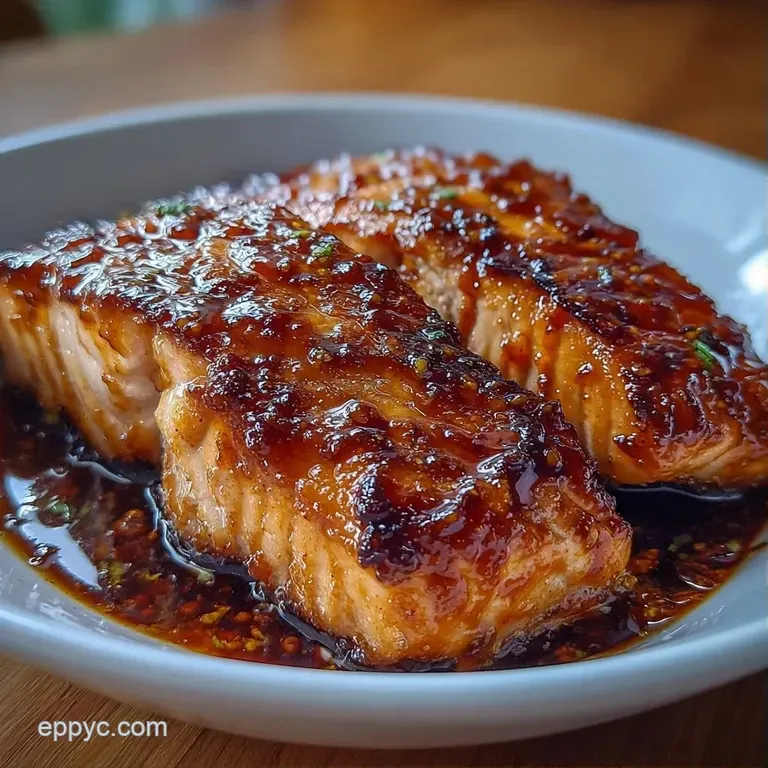
Right then, let's get into the actual steps. Remember, the goal is a high contrast result: crispy outside, silky inside.
Prepping the Protein
Pat the salmon fillets completely dry with paper towels. Note: Any surface moisture will steam the fish instead of searing it. Season both sides lightly with 1/2 tsp kosher salt and 1/4 tsp black pepper.
Searing for Texture
Heat 1 tbsp neutral oil in a 12 inch non stick or stainless steel skillet over medium high heat until it shimmers. Place salmon in the pan, flesh side down first if skinless. Press gently for 10 seconds to ensure contact and cook 4-5 minutes until a golden brown crust forms, then flip.
Glazing to Perfection
Lower the heat to medium. Pour in 1/4 cup soy sauce, 2 tbsp honey, 1 tbsp rice vinegar, 1 tsp toasted sesame oil, 1 tbsp grated ginger, 2 cloves minced garlic, and 1 tsp sriracha directly into the pan around the fish.
As the sauce bubbles and thickens, continuously baste the fillets with a spoon for another 3-5 minutes. Do this until the sauce reaches a syrupy consistency and the salmon flakes easily with a fork.
Chef's Note: If the sauce thickens too fast and looks like it's about to burn, add a tablespoon of water to loosen it back up.
Pro Tips and Pitfalls
If you want your Pan Glazed Asian Salmon to look like it came from a bistro, you have to avoid a few common traps. One mistake I see all the time is crowding the pan. If you put too many fillets in at once, the pan temperature drops, the oil stops shimmering, and you end up boiling the fish in its own juices.
Give them space to breathe.
Another trick is the "rest." Just like a steak, let the salmon sit for 2-3 minutes after it leaves the pan. This allows the juices to redistribute, ensuring the center stays velvety rather than leaking all its moisture onto the plate.
Why Your Salmon Is Rubbery
This usually happens because the heat was too high for too long, or you didn't use a thermometer. Overcooked salmon loses its structure and becomes tight and bouncy.
| Problem | Root Cause | Solution |
|---|---|---|
| Rubbery Texture | Overcooked | Pull fish at 135°F internal temp |
| Burnt Sauce | Heat too high | Lower to medium during glazing |
| Sticking to Pan | Pan not hot enough | Wait for oil to shimmer before adding fish |
Success Checklist
- ✓ Pat fillets bone dry before seasoning.
- ✓ Use a large enough pan to avoid crowding.
- ✓ Lower heat before adding the honey based glaze.
- ✓ Baste constantly to build the lacquer.
- ✓ Rest the fish for 3 minutes before serving.
Swapping Ingredients
Depending on what's in your pantry, you might need to pivot. The key is maintaining the balance of salt, sweet, and acid. If you're looking for a more intense heat, you can replace the sriracha with a drizzle of Hot Honey Recipe for a different kind of floral spice.
| Original Ingredient | Substitute | Why It Works |
|---|---|---|
| Honey (2 tbsp) | Brown Sugar (2 tbsp) | Similar sweetness. Note: Slightly more molasses flavor |
| Soy Sauce (1/4 cup) | Tamari (1/4 cup) | gluten-free alternative. Note: Slightly richer taste |
| Rice Vinegar (1 tbsp) | Apple Cider Vinegar (1 tbsp) | Similar acidity. Note: A bit more fruity/tart |
| Neutral Oil (1 tbsp) | Grapeseed Oil (1 tbsp) | High smoke point. Note: Very clean flavor |
But what about the fish? While this is designed for salmon, you can use the same method for steelhead trout or even thick cuts of halibut. Just keep in mind that halibut is leaner and will overcook much faster than salmon, so reduce your searing time.
Truths and Myths
There are a lot of "rules" about cooking fish that are actually just myths. Let's clear a few up so you can cook with confidence.
First, the idea that searing "seals in the juices." It doesn't. Moisture loss happens throughout the entire cooking process regardless of the sear. The crust is about flavor and texture, not about creating a waterproof barrier. According to Serious Eats, the goal of the sear is the Maillard reaction, which creates those savory, complex notes.
Second, some people think you have to cook salmon until it's opaque all the way through. Honestly, that's a recipe for dry fish. A medium rare to medium center (around 130°F to 135°F) is where you get that buttery, melting texture.
If you wait until it's opaque throughout, you've likely gone too far.
Storage and Waste
If you have leftovers, keep them in an airtight container in the fridge for up to 3 days. To reheat without drying the fish out, avoid the microwave if you can. Instead, place the fillet in a pan over low heat with a tiny splash of water or a knob of butter, and cover it with a lid.
The steam will gently warm the fish without overcooking the center.
For freezing, I don't recommend freezing the salmon after it's been glazed, as the sugars can change texture. Freeze the fillets raw and vacuum sealed for up to 3 months.
To practice zero waste, don't toss the ginger scraps or garlic skins. I keep a "scrap bag" in the freezer for vegetable stock. Also, if you have extra glaze left in the pan, don't wash it away. Spoon it over a bowl of steamed bok choy or roasted carrots for an instant side dish.
The Best Side Pairings
Since Pan Glazed Asian Salmon is quite rich and sweet, you need sides that provide a fresh or neutral contrast. I love pairing this with a fluffy jasmine rice or quinoa to soak up that extra syrupy sauce.
If you want something with a bit of crunch and tang, a Ramen Noodle Asian Salad is the way to go. The acidity of the salad dressing cuts right through the honey glaze, making the whole meal feel balanced.
Balancing with Greens
Steamed broccoli or sautéed spinach with a hint of lemon works beautifully here. The bitterness of the greens offsets the sweetness of the honey. You could also try a quick cucumber salad with sesame seeds and rice vinegar to keep the theme consistent and refreshing.
Grain Options
Brown rice is a great choice for adding a nutty depth, but for a quicker option, try cauliflower rice. Just sauté it with a bit of garlic and salt to keep it simple, as the salmon is the star of the show.
Recipe FAQs
Is this a great and easy salmon recipe for beginners?
Yes, it's incredibly simple. It takes only 20 minutes total and uses a single pan for both searing and glazing.
Can I make a delicious salmon recipe without using lemon?
Yes, this recipe uses rice vinegar for acidity. This provides a bright, tangy contrast to the honey and soy without needing citrus.
How do I make the honey soy glaze reduction for this salmon?
Pour the honey, soy sauce, rice vinegar, sesame oil, ginger, garlic, and sriracha into the pan. Baste the fillets continuously for 3-5 minutes until the sauce bubbles into a syrupy consistency.
How to turn this pan glaze into an overnight marinade?
Whisk all the glaze ingredients together in a bowl. Submerge the fillets for 12-24 hours before searing them in the pan according to the official steps.
Is it true that broiling is the best method for this glazed salmon?
No, this is a common misconception. Pan-searing creates a superior golden brown crust and allows the sauce to reduce and coat the fish more effectively than a broiler.
What side dishes pair best with Pan Glazed Asian Salmon?
Fresh, roasted vegetables provide the best balance. This dish pairs perfectly with roasted asparagus to cut through the richness of the glaze.
How to reheat glazed salmon without drying it out?
Place the fillet in a pan over low heat. Add a splash of water, cover with a lid, and steam gently to warm the center without overcooking.
Pan Glazed Asian Salmon