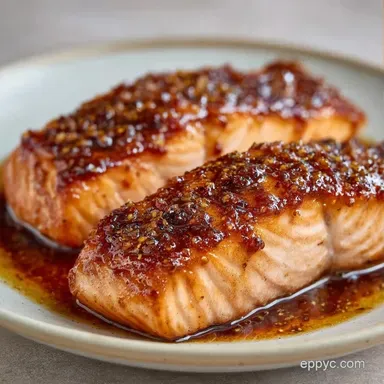
Maple Brown Sugar Salmon: Sticky Mahogany Glaze
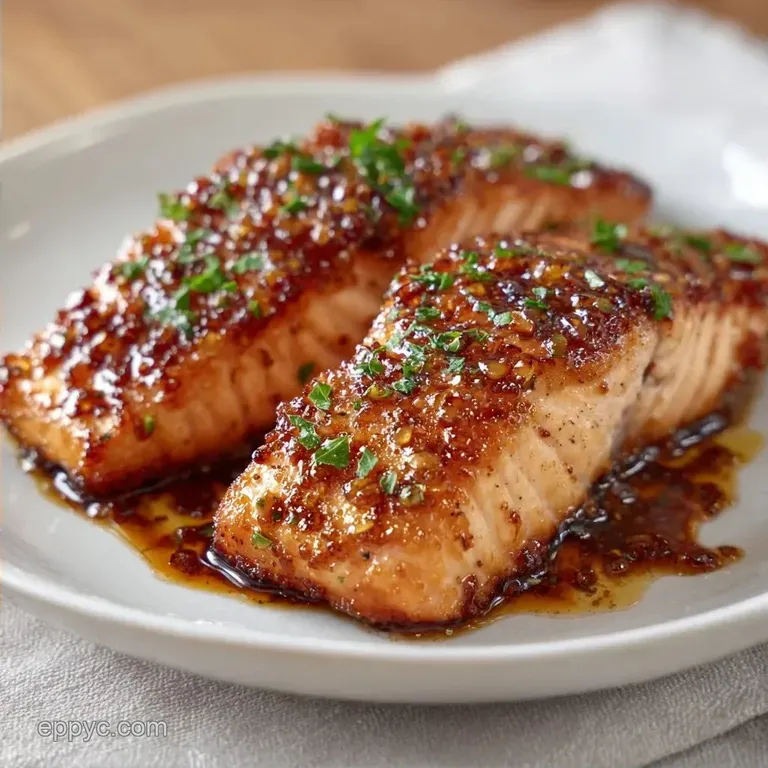
- Time: 5 min active + 12 min cook
- Flavor/Texture Hook: Sizzling, sticky mahogany glaze with a velvety center
- Perfect for: A high impact weeknight dinner that feels like a cheat meal
- Maple Brown Sugar Salmon
- The Secrets to a Sticky Glaze
- Ingredient Deep Dive
- Ingredients and Smart Swaps
- Step by Step Cooking Guide
- Fixing Common Salmon Issues
- Troubleshooting Common Issues
- Customizing Your Salmon Flavor
- Adjusting For Different Batch Sizes
- Truths About Salmon Cooking
- Storage and Zero Waste Tips
- Best Ways to Serve
- Recipe FAQs
- 📝 Recipe Card
Maple Brown Sugar Salmon
That first scent hits you the second the fillets slide under the broiler - a heavy, toasted sugar aroma that smells more like a candy shop than a fish dinner. I remember the first time I tried this; I was convinced that adding both maple syrup and brown sugar would be overkill.
I thought it would taste like a pancake breakfast gone wrong. But as the glaze began to bubble and darken into that rich, dark brown hue, I realized the two sugars do different things.
One gives you that immediate, glassy shine, and the other provides a deep, earthy bass note that cuts right through the richness of the fish.
The real hero here is the pure maple syrup. I've tried substituting it with "pancake syrup" (which is basically just flavored corn syrup), and the result is a flat, one dimensional sweetness that cloys. Pure maple syrup has these subtle mineral notes that play off the salt in the soy sauce and the zing of the lime.
It's the difference between a cheap candy and a gourmet treat. When you combine it with the fatty oils of the salmon, you get a dish that feels luxurious but takes almost no effort to put together.
You can expect a fillet that has a slight shatter to the glaze on the edges, while the inside remains silky and tender. It's a fast process, but the flavor profile is complex enough to fool anyone into thinking you spent hours reducing a sauce on the stove.
We're keeping the tools minimal here - just a bowl, a brush, and a baking sheet - because the ingredients are doing all the heavy lifting.
The Secrets to a Sticky Glaze
The goal here isn't just to make the fish sweet; it's to create a lacquer. Most people make the mistake of using too much liquid, which leads to "boiled" salmon instead of glazed salmon. By using a high sugar ratio and the intense heat of a broiler, we're essentially creating a quick caramel.
- Sugar Layering
- Combining maple syrup and brown sugar creates two different melting points, ensuring the glaze thickens quickly without burning through.
- Acid Balance
- The lime juice breaks down the heavy sugars, preventing the dish from feeling cloying on the tongue.
- Salt Synergy
- Soy sauce provides the sodium needed to make the sweetness "pop" and adds a hint of umami that anchors the flavor.
- Fat Barrier
- A thin coat of olive oil prevents the fish from sticking to the parchment and helps the seasoning adhere.
| Method | Time | Texture | Best For |
|---|---|---|---|
| Broiler (Fast) | 12 mins | Shattery crust, velvety inside | Weeknight speed |
| Oven Bake (Classic) | 20 mins | Evenly cooked, softer glaze | Larger crowds |
| Air Fryer | 10 mins | Extra crispy edges | Single servings |
Ingredient Deep Dive
The interaction between the sugars and the proteins is what makes this work. If you use a low quality syrup, you lose the aromatic complexity that defines the dish.
| Ingredient | Science Role | Pro Secret |
|---|---|---|
| Pure Maple Syrup | Primary Glaze Base | Use Grade A Dark for a bolder, more "maple" punch |
| Brown Sugar | Caramelization Agent | Light brown sugar is better here to avoid an over burnt taste |
| Soy Sauce | Salt and Color | Low sodium allows you to control the salt level precisely |
| Lime Juice | pH Balancer | Freshly squeezed is mandatory; bottled lime is too metallic |
Ingredients and Smart Swaps
For the salmon, make sure you get skin on fillets. The skin acts as a natural heat shield, preventing the bottom of the fish from overcooking while the top gets caramelized.
For the Protein
- 1.5 lbs salmon fillets, skin onWhy this? Skin on protects the flesh from direct heat
- 1 tbsp olive oilWhy this? High smoke point for broiling
- 1/2 tsp sea saltWhy this? Enhances the natural fish flavors
- 1/4 tsp cracked black pepperWhy this? Adds a subtle heat to balance sugar
For the Glaze
- 1/4 cup pure maple syrupWhy this? Provides the signature woody sweetness
- 2 tbsp light brown sugarWhy this? Creates the sticky, tacky texture
- 1 tbsp soy sauceWhy this? Adds salt and deep mahogany color
- 1 tbsp fresh lime juiceWhy this? Cuts through the fat and sugar
- 2 cloves garlic, mincedWhy this? Adds an aromatic, savory punch
- 1/2 tsp smoked paprikaWhy this? Mimics a grilled flavor under the broiler
| Original Ingredient | Substitute | Why It Works |
|---|---|---|
| Pure Maple Syrup | Honey | Similar viscosity. Note: More floral and slightly sweeter |
| Light Brown Sugar | Coconut Sugar | Granular texture. Note: Earthier taste, slightly less caramelization |
| Soy Sauce | Tamari | gluten-free option. Note: Very similar flavor profile |
| Lime Juice | Lemon Juice | Similar acidity. Note: Brighter, more traditional citrus note |
This recipe is a great way to explore flavor balancing. If you're looking for something with a different salty sweet vibe, you might enjoy a Soy Sauce Glazed Salmon which leans more into the umami side than the sugary side.
Step by step Cooking Guide
Right then, let's get into the action. The key here is speed and attention. Since we're using the broiler, things can go from "perfectly caramelized" to "burnt" in about 30 seconds.
- Pat the salmon fillets completely dry with paper towels. Note: Moisture on the surface creates steam, which prevents the glaze from sticking.
- Rub each fillet with olive oil and season with salt and pepper.
- Place the seasoned fillets skin side down on a parchment lined baking sheet.
- In a small bowl, whisk together the maple syrup, brown sugar, soy sauce, lime juice, minced garlic, and smoked paprika until the sugar crystals have dissolved.
- Generously brush the glaze over the top of each fillet. Note: Use a silicone brush to ensure an even, thick layer.
- Set your oven to broil (high).
- Place the pan on the top rack.
- Broil for 8–12 minutes until the glaze bubbles and turns a deep mahogany brown.
- Check the internal temperature with a meat thermometer. Pull it out at 135°F (57°C) for medium rare or 145°F (63°C) for medium.
- Let the fish rest for 3 minutes before serving. Note: This allows the juices to redistribute for a velvety texture.
Chef's Note: If you have a very powerful broiler, check the fish at the 6 minute mark. I once left my salmon in for 14 minutes and ended up with "maple charcoal." Stay vigilant!
Fixing Common Salmon Issues
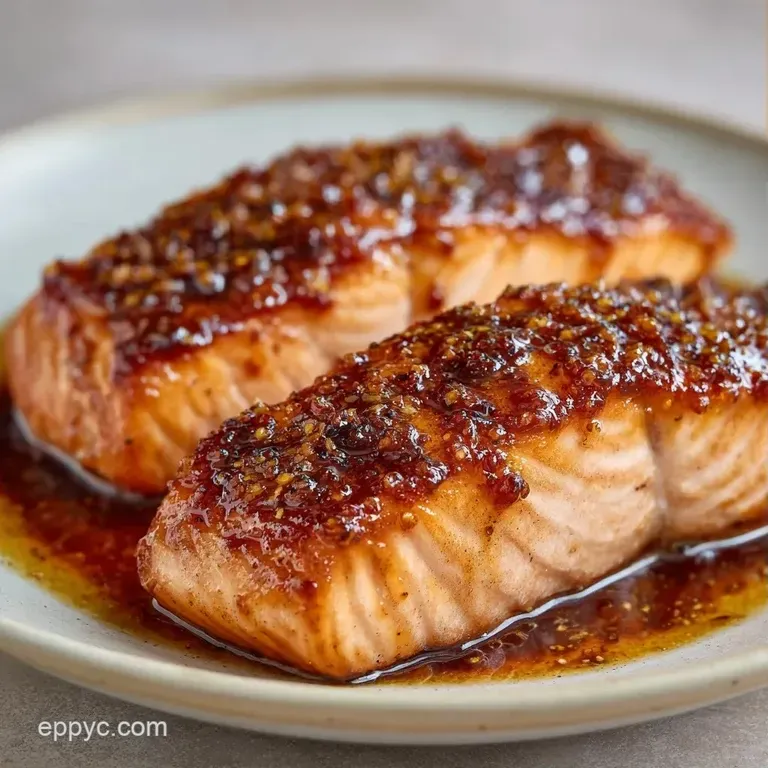
When working with sugar based glazes, the line between "caramelized" and "burnt" is razor thin. Most issues come down to heat management or surface moisture.
Troubleshooting Common Issues
| Issue | Solution |
|---|---|
| Why Your Salmon Is Dry | This usually happens because of "carryover cooking." According to Serious Eats, meat continues to rise in temperature after it's removed from the heat. |
| Why Your Glaze Is Runny | If the glaze didn't thicken into a lacquer, you likely had too much moisture on the fish or didn't use a high enough heat. Ensure the fillets are bone dry before oiling them. |
| Why Your Glaze Burnt | Sugar burns quickly. If the edges are black but the center is raw, your oven rack was too high. Move the rack down one notch to give the heat a bit more distance. |
Common Mistakes Checklist
- ✓ Did you pat the salmon completely dry?
- ✓ Did you use pure maple syrup instead of pancake syrup?
- ✓ Is the rack positioned correctly for your specific oven?
- ✓ Did you use a thermometer to avoid overcooking?
- ✓ Did you let the fish rest before plating?
Customizing Your Salmon Flavor
Once you've mastered the basic Maple Brown Sugar Salmon, you can start playing with the ratios. I love adding a pinch of cayenne pepper or a teaspoon of Sriracha to the glaze if I want a "sweet and spicy" vibe. It creates a brilliant contrast with the maple.
For those who want a more savory profile, try adding a teaspoon of Dijon mustard to the whisked glaze. The mustard adds a sharp tang that cuts through the richness of the salmon and the sweetness of the brown sugar.
This is a great way to make the dish feel more like a dinner party entree and less like a quick weeknight meal.
If you're using an air fryer, the process is similar but faster. Place the glazed fillets in the basket at 400°F (200°C) for about 8-10 minutes. The circulating air makes the edges shatter even more than the broiler does.
Just be careful - the airflow can sometimes "blow" the glaze if it's too thin, so make sure you brush it on thickly.
Adjusting For Different Batch Sizes
Scaling this recipe is pretty straightforward, but you can't just multiply everything linearly, especially the seasonings.
Scaling Down (1-2 fillets) Use a smaller baking sheet to keep the heat concentrated. You'll want to reduce the cook time by about 20%, as smaller fillets heat through faster. If you're only making one fillet, halve the glaze recipe, but keep the garlic at one full clove for flavor.
Scaling Up (8+ fillets) When doubling or tripling the recipe, work in batches. If you crowd the pan, the fillets will release moisture and steam each other, which ruins the crust.
Only scale the salt and paprika to 1.5x - too much smoked paprika can make the dish taste "ashy." Reduce the total liquid in the glaze by about 10% to ensure it stays thick enough to cling to the fish.
| If you want... | Do this... |
|---|---|
| More "Char" | Broil for an extra 60 seconds at the very end |
| Milder Sweetness | Replace 1 tbsp of brown sugar with 1 tbsp of soy sauce |
| More Tang | Add an extra squeeze of lime after cooking |
Truths About Salmon Cooking
There are a few myths in the cooking world that I've seen pop up in my inbox. Let's set the record straight so you don't waste your fish.
The "Sealing In Juices" Myth: You'll often hear that searing salmon "seals in" the moisture. This isn't true. Searing creates flavor through browning, but moisture loss happens regardless of how you start. The real key to juicy salmon is the internal temperature, not the initial sear.
The "Skin Is Just for Looks" Myth: Some people peel the skin off before cooking. Don't do this with the Maple Brown Sugar Salmon. The skin protects the delicate flesh from the intense broiler heat, ensuring the top caramelizes while the bottom stays moist.
Storage and Zero Waste Tips
If you happen to have leftovers (which is rare in my house), store the salmon in an airtight container in the fridge for up to 3 days. To reheat, avoid the microwave, as it will turn the salmon rubbery and make the glaze weep.
Instead, put it in a 300°F (150°C) oven for 5-8 minutes just to warm it through.
For freezing, I don't recommend freezing the cooked glazed salmon, as the sugar can change texture and the fish can become dry. However, you can freeze the raw salmon fillets with the glaze already applied. Just wrap them tightly in plastic wrap and foil. Thaw in the fridge overnight before broiling.
Zero Waste Hack: Don't toss the leftover glaze in the pan! Scrape up those caramelized brown bits from the parchment paper and whisk them into a little bit of melted butter. Pour this "pan butter" over some steamed asparagus or roasted carrots. It's a total flavor bomb.
Best Ways to Serve
This dish is quite rich, so you need sides that offer contrast. I highly recommend pairing this with something acidic or fresh. A Ramen Noodle Asian Salad is a brilliant choice because the crunch and the vinegar based dressing cut right through the sticky maple glaze.
If you're looking for something warmer, a bed of fluffy jasmine rice or quinoa works well to soak up any extra glaze that drips off the fish. For a lower carb option, sautéed spinach with a bit of lemon zest is the way to go. The bitterness of the greens balances the sweetness of the brown sugar perfectly.
Honestly, don't even bother with a heavy sauce on the side. The glaze is the star here. Just a sprinkle of fresh parsley or sliced green onions on top for a pop of color, and you're good to go. Trust me on this - keep the sides simple and let the salmon do the talking.
Recipe FAQs
Do salmon and maple syrup go together?
Yes, they pair perfectly. The natural sweetness of the maple syrup balances the richness of the fish and the salty notes of the soy sauce.
Is it good to put brown sugar on salmon?
Yes, it is essential for the texture. Brown sugar caramelizes under the broiler to create a thick, mahogany colored lacquer that clings to the fillet.
How to achieve the best results when broiling salmon?
Broil for 8 12 minutes on a parchment lined sheet. Monitor the fish closely until the glaze bubbles and the internal temperature reaches 135°F for medium rare or 145°F for medium.
Is it true that patting the salmon dry is optional?
No, this is a common misconception. Surface moisture creates steam during cooking, which prevents the glaze from sticking and results in a runny sauce.
Why is my salmon dry even though I followed the timer?
You likely experienced carryover cooking. The internal temperature continues to rise after the fish is removed from the heat, so pull the fillets slightly before they hit your target temperature.
How to reheat glazed salmon without making it rubbery?
Warm in a 300°F oven for 5 8 minutes. Avoid using a microwave, as it toughens the proteins and causes the glaze to weep.
What makes this such an easy salmon recipe?
The minimal 5-minute prep and fast cook time. If you enjoyed mastering the glaze technique here, see how the same principle works in our gas grill ribs.
Maple Brown Sugar Salmon