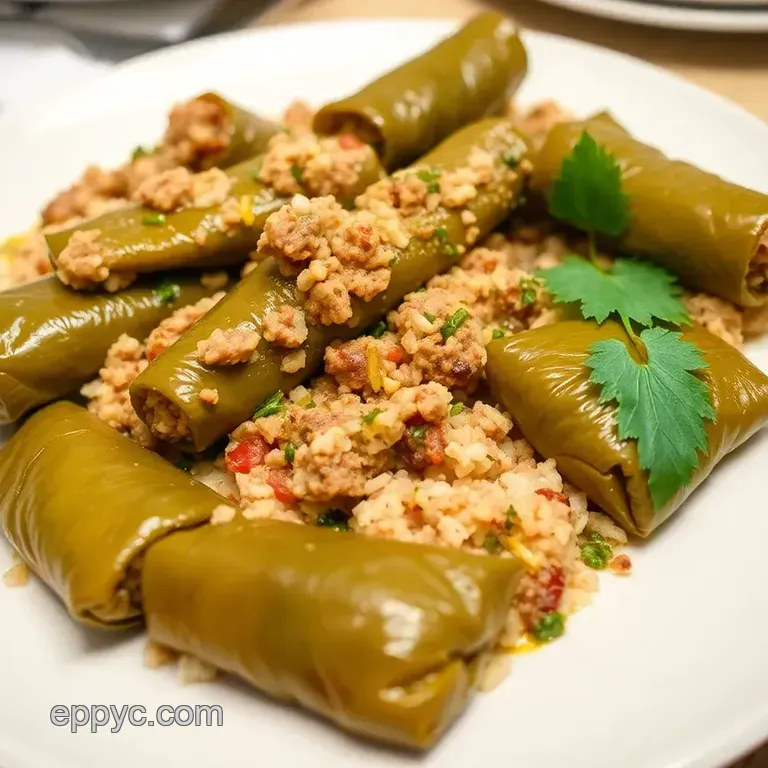
Savory Simmered Grape Leaves with Rich Filling

- Time: 35 min active + 50 min simmering + 30 min resting
- Flavor & Texture: Zesty, savory, and velvety
- Perfect for: A celebratory dinner or a hearty appetizer spread
Simmered Grape Leaves with Rich Filling
Ever spent an hour rolling grape leaves only to find they're as tough as leather? Or worse, you bite into one and the filling is a gummy, overcooked mass of rice. It's a common frustration with this dish, but usually, it comes down to two things: a lack of acid in the pot and raw rice that absorbs too much liquid.
This version fixes both. We toast the rice first to lock in the structure and use a heavy hit of lemon juice to break down the tough fibers of the leaves. You get a tender, melt in-your mouth wrap with a filling that actually holds its shape.
Expect a rich, aromatic result. The combination of mint, dill, and a touch of cinnamon gives it that specific Mediterranean warmth, while the slow simmer ensures the beef is tender and the flavors are fully fused.
What Makes the Texture Work
- Citric Acid: The lemon juice breaks down the tough cellulose in the grape leaves. This turns a chewy exterior into something tender.
- Rice Toasting: Sautéing the short grain rice before stuffing creates a slight barrier on the grain. This prevents the rice from turning into mush during the 50 minute simmer.
- Physical Weight: Using a ceramic plate to press the rolls keeps them from unravelling as the rice expands.
Tools for the Job
No specialized gear is necessary. You'll just need a medium skillet to prepare the filling and a thick pot for the simmering stage. The only non-standard item is a heavy ceramic plate that fits snugly in the pot to serve as an anchor for your rolls.
Ingredients and Smart Swaps
| Component | Purpose | Substitute Notes |
|---|---|---|
| Ground Beef (80/20) | Substantial base | Lamb: Provides a bolder, gamey flavor |
| Short grain Rice | Binding agent | Arborio: Creamier texture, though easier to overcook |
| Lemon Juice | Tenderizer | White wine: More acidic, less citrus forward |
| Grape Leaves | Wrapper | Cabbage leaves: Much larger, requiring extra liquid |
For the Filling 1 lb ground beef (80/20 lean to fat ratio) Why this? Fat carries the mint and cinnamon flavors 1 cup short grain rice, uncooked 1 medium onion, minced small 3 garlic cloves, minced 1/2 cup fresh dill, chopped 1/4 cup fresh mint, chopped 2 tbsp extra
Virgin olive oil 1 tsp salt 1/2 tsp black pepper 1/4 tsp ground cinnamon
For the Braise 1/2 cup extra virgin olive oil Why this? Prevents leaves from sticking together 1/2 cup fresh lemon juice 1 cup water 1 tsp salt 60 grape leaves
The Cooking Numbers
- Prep time: 35 minutes
- Cook time: 50 minutes
- Resting time: 30 minutes
- Total time: 2 hours 5 mins
- Yield: 5 servings
Step-by-step Instructions
- Sauté aromatics. Heat 2 tbsp of olive oil in a pan over medium heat. Cook the diced onion for 5 minutes until translucent, then stir in the minced garlic for 60 seconds.
- Toast the rice. Add the uncooked short grain rice to the pan. Stir constantly for 2-3 minutes until the grains look slightly opaque. Note: This prevents a gummy filling.
- Brown the beef. Stir in the ground beef, breaking it up with a spoon. Cook until browned but not fully cooked through.
- Season the mix. Remove from heat. Stir in the chopped dill, mint, salt, pepper, and cinnamon. Let the mixture cool for a few minutes.
- Prep the leaves. Rinse jarred grape leaves under cold water to remove the brine. Lay one leaf flat, vein side up.
- Fill the leaf. Place a small portion of the filling near the stem end. Note: Don't overfill or the leaf will tear.
- Roll tightly. Fold the sides in and roll the leaf upward, tucking the ends to secure the beef and rice.
- Pack the pot. Arrange rolls tightly in a heavy bottomed pot. Mix the 1/2 cup olive oil, lemon juice, water, and salt, then pour it over the rolls.
- Weight and simmer. Place a heavy ceramic plate on top of the rolls. Simmer on low heat for 50 minutes until the liquid has reduced and leaves are tender. Ensure the beef reaches an internal temperature of 160°F.
- Rest. Remove from heat. Let the pot sit for 30 minutes before serving to allow the juices to redistribute.
Avoiding Kitchen Disasters
Unrolling Wraps
If your rolls open up during the simmer, you likely used too much filling or skipped the weight. The rice expands as it cooks, and without the ceramic plate to hold them down, they will push the leaves open. Stick to a rounded tablespoon of filling and keep that plate firmly in place.
Bitter Leaf Taste
Jarred leaves can sometimes carry a metallic or overly salty brine. A thorough rinse under cold running water is the only way to fix this. If they still taste bitter, a quick 2 minute blanch in boiling water before stuffing removes the remaining harshness.
Mushy Rice Filling
This happens when rice is added raw to the meat without toasting. When you skip the sauté step, the rice absorbs liquid too quickly and loses its structure. For a texture similar to the tender but distinct meat in a Classic Pot Roast recipe, the initial toast is non negotiable.
Common Kitchen Myths
Myth: Fresh leaves are always better. The truth is that jarred, brine cured leaves are often more consistent. Fresh leaves require a lengthy blanching process to become pliable, whereas jarred leaves are already softened and ready to roll after a quick rinse.
Myth: Searing the beef "seals in" the juices. Searing doesn't create a waterproof barrier. It creates flavor through browning. The moisture stays in the rolls because they are simmered in a closed environment, not because of the initial sear.
Storage and Reheating
Store the rolls in a glass jar; they will last 3 to 4 days if refrigerated. The flavor actually improves by the second day as the lemon and mint infuse more deeply into the rice.
If freezing, ensure the rolls have cooled entirely. Put them in a freezer proof bag along with some of the remaining simmering liquid to stop freezer burn. They will remain fresh for around 2 months.
To warm them up, put them in a small pot with a touch of lemon juice or water. Simmer over low heat for 10 minutes. It is best to skip the microwave, since it often turns the leaves rubbery.
Zero Waste Tip: Instead of discarding the lemon rinds, zest them. Store the zest in a small jar in the freezer to brighten up your future salads or pasta.
Creative Twist Ideas
For a meat free alternative, substitute the ground beef with a combination of crumbled feta and extra pine nuts. This creates a more traditional vegetarian profile, but you will need a bit more rice to ensure the filling holds together.
To add some heat, stir in a teaspoon of harissa paste or some red pepper flakes. These elements pair beautifully with the cinnamon. If you love the richness of slow cooked meats, you may also enjoy the Classic Beef Stew recipe.
Perfect Side Pairings
These rolls are heavy and zesty, so they need something cool to balance them out. A thick, garlicky Tzatziki is the standard for a reason. The cucumber and yogurt cut through the richness of the olive oil and beef.
You can also serve them as part of a larger meze platter. Add some kalamata olives, sliced cucumbers, and a side of warm pita bread. A simple salad of sliced tomatoes and red onion with a splash of red wine vinegar completes the meal.
Recipe FAQs
Can I use jarred grape leaves?
Yes, they work perfectly. Just rinse them under cold water before filling to remove any excess brine.
How do I stop the leaves from unrolling?
Roll the leaves tightly and tuck the ends. Then, place a heavy ceramic plate on top of the rolls while simmering to lock them in place.
Is it true these must be served warm?
Surprisingly, no. These are often enjoyed at room temperature or chilled, which allows the lemon and mint flavors to shine.
What rice is best for the filling?
Short grain rice is the ideal choice. Its starch content helps bind the beef and herbs together without becoming gummy.
Simmered Grape Leaves for 5 Servings