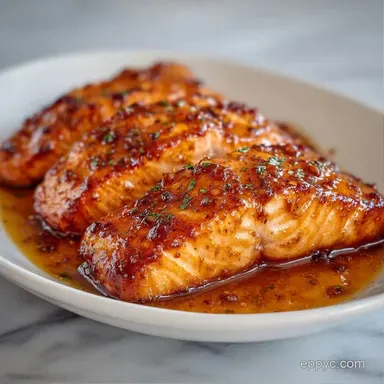
Sticky Honey Salmon Recipe: Crispy Skin
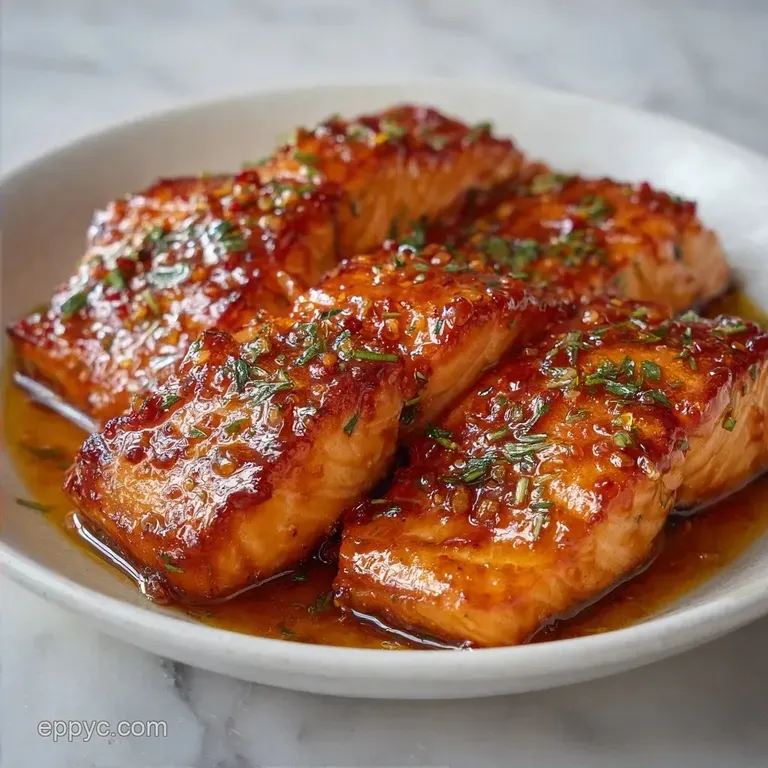
- Time: 10 min active + 10 min cook
- Flavor/Texture Hook: Mahogany colored sticky glaze with a shatter crisp skin
- Perfect for: Weeknight dinners and beginner cooks
The smell of honey and soy sauce hitting a hot pan is something you can smell from three rooms away. It's that instant transition from "just another Tuesday" to "we're actually having a decent meal." I remember the first time I tried making a glaze like this, I let the honey sit in the pan too long.
It went from a beautiful gold to a charred, bitter black in about twelve seconds. I practically scrubbed the pan for an hour.
That's the thing about honey, it's temperamental. But once you get the timing right, the results are unbeatable. This Sticky Honey Salmon Recipe is really a modern take on the classic Japanese teriyaki tradition, blending that deep umami soy base with a thicker, more viscous honey glaze that feels a bit more Western.
It's a bridge between two worlds that just makes sense on a plate.
You can expect a dish that feels fancy but takes less time than ordering takeout. The goal here is a high contrast texture: the skin should almost crackle when you hit it with a fork, while the flesh stays tender and just barely translucent in the center.
We aren't going for a slow bake here, we're going for a fast, aggressive sear and a quick lacquer.
Sticky Honey Salmon Recipe
Since we're using a pan sear method, the heat is our biggest tool and our biggest enemy. The secret is in the "lacquering" phase. Instead of just pouring sauce over the fish and hoping for the best, we're going to spoon that bubbling syrup over the fillets repeatedly.
This builds layers of flavor and ensures the glaze actually sticks to the salmon rather than just pooling at the bottom of the plate.
If you're looking for a different vibe, you might like my Soy Sauce Glazed Salmon which leans a bit more into the salty side. But for this one, the honey is the star. It provides a gloss that makes the fish look like it came out of a professional kitchen, even if you're wearing sweatpants while cooking it.
The beauty of this dish is that it doesn't require a million ingredients. We're relying on the chemistry of a few staples to do the heavy lifting. It's budget smart because you can use frozen fillets if you've thawed them properly, and the pantry staples like honey and soy are things most of us already have sitting in the cupboard.
Why This Works
Sugar Caramelization: Honey contains fructose and glucose, which brown quickly at high heat to create that mahogany crust.
Acid Balance: Lemon juice cuts through the fat of the salmon and the sugar of the honey, preventing the dish from tasting like candy.
Emulsion Finish: Adding butter at the end binds the soy and honey together, creating a glossy, thick sauce that clings to the protein.
Moisture Control: Patting the fish dry removes surface water, allowing the oil to sizzle immediately rather than steaming the fish.
| Method | Cook Time | Texture | Best For |
|---|---|---|---|
| Stovetop | 10 mins | Crispy skin, sticky glaze | Quick weeknight meals |
| Oven | 15-20 mins | Evenly cooked, softer skin | Larger crowds/batches |
Ingredient Deep Dive
| Ingredient | Science Role | Pro Secret |
|---|---|---|
| Honey | Thickening & Sweetness | Use a runny honey for faster mixing |
| Soy Sauce | Salt & Umami | Use low sodium to control the saltiness |
| Lemon Juice | Brightness/Acid | Add at the very end to keep the flavor fresh |
| Unsalted Butter | Gloss & Mouthfeel | Cold butter creates a better emulsion |
Shopping List Breakdown
For the Salmon: - 4 salmon fillets, 6 oz (170g) each Why this? Standard size ensures even cooking across the pan - 1/2 tsp (3g) salt Why this? Draws out moisture for a better sear - 1/4 tsp (1g) black pepper Why this? Adds a subtle
Woody heat - 1 tbsp (15ml) neutral oil Why this? High smoke point prevents burning
For the Sticky Glaze: - 3 tbsp (60ml) honey Why this? Provides the "sticky" texture and sweetness - 2 tbsp (30ml) soy sauce Why this? Adds the salt and deep color - 1 tbsp (15ml) fresh lemon juice Why this? Balances the honey's
Heaviness - 3 cloves (9g) garlic, minced Why this? Adds pungent aromatic depth - 1 tbsp (14g) unsalted butter Why this? Gives the glaze a professional shine
Budget Swaps:
| Original Ingredient | Substitute | Why It Works |
|---|---|---|
| Honey (3 tbsp) | Maple Syrup (3 tbsp) | Similar viscosity. Note: Adds a woody, autumnal flavor |
| Soy Sauce (2 tbsp) | Tamari (2 tbsp) | gluten-free alternative. Note: Slightly richer, saltier taste |
| Unsalted Butter (1 tbsp) | Vegan Butter (1 tbsp) | Same fat content. Note: Works well for dairy-free needs |
| Neutral Oil (1 tbsp) | Grapeseed Oil (1 tbsp) | High smoke point. Note: Completely flavorless |
From Prep to Plate
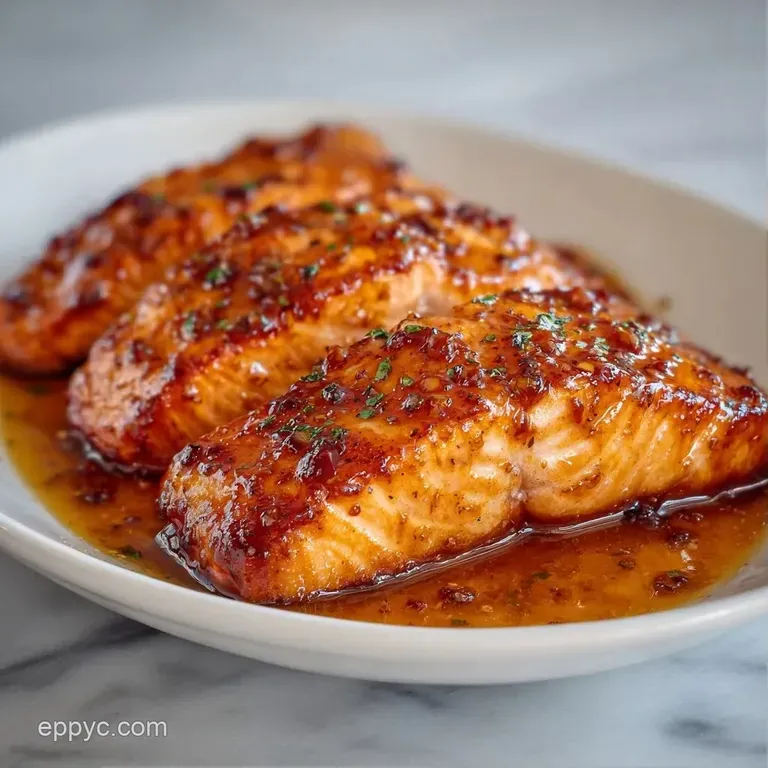
Right then, let's get into the actual cooking. Make sure your pan is large enough so the fillets aren't crowded. If they're too close, they'll steam and you'll lose that crisp skin.
Step 1: The Moisture Purge
Pat the salmon fillets bone dry with paper towels. I can't stress this enough. If the fish is damp, the oil will splatter and the skin will be soggy. Season both sides evenly with salt and pepper.
Step 2: The over High heat Sear
Heat neutral oil in a large skillet over medium high heat until it starts shimmering. Place fillets skin side down. Use a spatula to press gently for 10 seconds. This stops the fish from curling up and ensures the whole skin hits the heat.
Step 3: The First Crisp
Cook undisturbed for 3–4 minutes until the edges are golden and the skin is crisp. Flip the fillets and cook for an additional 2 minutes.
Step 4: The Aromatics
Lower the heat to medium. Push the salmon fillets to the sides of the pan. Add the butter and minced garlic to the center. Let the butter foam and the garlic sizzle for about 30 seconds until it smells fragrant.
Step 5: The Glaze Build
Whisk in the honey, soy sauce, and lemon juice directly into the garlic butter. It will bubble up immediately. According to Serious Eats, controlling the heat during this stage is key to avoiding burnt sugars.
Step 6: The Lacquering Process
Continuously spoon the bubbling sauce over the fillets for 2–3 minutes. Keep going until the glaze thickens into a mahogany colored syrup that clings to the fish. Remove from heat immediately so the honey doesn't turn bitter.
Chef's Note: If you want an extra kick, you can swap the regular honey for a Hot Honey Recipe to get a sweet and spicy vibe.
Common Mistakes & Troubleshooting
One of the biggest issues people have with this Sticky Honey Salmon Recipe is the sauce. Honey goes from "perfect" to "burnt" in a heartbeat. If your pan is too hot when the honey goes in, it will crystallize and taste like charcoal.
| Issue | Solution |
|---|---|
| Why Your Sauce is Too Thin | If the glaze is running off the fish and pooling in the pan, you probably didn't reduce it enough. This usually happens if the heat was too low or you didn't spoon it over the fish long enough. |
| Why the Garlic is Bitter | Garlic burns much faster than salmon cooks. If you add the garlic too early in the searing process, it will turn black and ruin the whole batch. |
| Why the Fish is Dry | Overcooking salmon is easy. The fillets continue to cook for a few minutes after they leave the pan. Take them off when the center is still a tiny bit translucent. |
Mistakes Checklist:
- ✓ Did I pat the fish dry?
- ✓ Is the oil shimmering before the fish goes in?
- ✓ Did I press the fillets down to prevent curling?
- ✓ Is the heat lowered before adding the honey?
- ✓ Did I remove the fish before the glaze turned black?
Adjusting the Batch Size
When you're making this for more than four people, don't just throw more fish in the same pan. You'll crowd the skillet, the temperature will drop, and you'll end up with boiled salmon instead of seared salmon.
Scaling Down (1-2 fillets): Use a smaller skillet to keep the glaze concentrated. Reduce the cooking time for the glaze by about 30 seconds since there's less volume to heat up.
Scaling Up (8+ fillets): Work in batches. Sear the fish in two turns, then set them aside on a platter. Make the glaze in the pan, then add all the fillets back in at the end to lacquer them together.
For the sauce, increase the honey and soy to 1.5x, but don't double the garlic or it might overpower the dish.
| Scale | Pan Change | Sauce Adjustment | Cooking Note |
|---|---|---|---|
| 1/2 Batch | Small Skillet | Exact ratios | Shorter reduction time |
| 2x Batch | Two Pans | 1.5x Spices/Liquids | Work in batches |
| 4x Batch | Large Griddle | 2x Liquids, 1.5x Garlic | Lacquer in batches |
Salmon Myths
There's a lot of noise about how to handle fish. Let's clear a few things up.
Searing seals in juices. This is simply not true. Searing creates a flavor crust and a great texture, but it doesn't create a waterproof barrier. Moisture loss happens regardless of how you sear it. The real key to juicy salmon is not overcooking it.
Frozen salmon is inferior. Actually, most "fresh" salmon at the grocery store was frozen on the boat anyway. As long as you thaw it slowly in the fridge and pat it dry, the quality difference is negligible for a glazed recipe like this.
Storage Guidelines
If you have leftovers, store them in an airtight container in the fridge for up to 3 days. Salmon doesn't freeze well once it's been cooked and glazed, as the texture becomes mushy and the honey can separate.
Reheating without drying it out: Avoid the microwave if you can. The best way is a quick 3-4 minutes in an air fryer at 350°F (180°C) or a low oven. This helps the glaze tighten back up without turning the fish into rubber.
Zero Waste Tips: Don't throw away the lemon rinds. Zest them into your pasta or salads. If you have leftover glaze in the pan, it's a fantastic base for a quick stir fry sauce. Just add a splash of water or broth to loosen it up and toss in some steamed broccoli.
Serving Suggestions
To keep the meal balanced, you need something to soak up that extra mahogany glaze. A bed of steamed jasmine rice or quinoa is the classic choice. If you're feeling fancy, try pairing it with my Creamy Lemon Pasta for a rich, citrusy meal.
For a lighter side, a crunchy Ramen Noodle Asian Salad adds a great textural contrast to the velvety salmon. Garnish the fish with toasted sesame seeds and sliced green onions to give it that final professional touch.
This Sticky Honey Salmon Recipe is all about that balance of sweet, salty, and acidic. Once you get the hang of the lacquering process, you can use this same method with other proteins like shrimp or scallops. Trust me, the honey soy combo is a winner every single time.
Recipe FAQs
How to make sticky honey salmon?
Pat fillets dry, sear skin side down for 3 4 minutes, and flip for 2 minutes. Lower the heat and whisk honey, soy sauce, lemon juice, and butter with garlic, spooning the mixture over the fish until the glaze thickens.
How to get honey to stick to salmon?
Spoon the bubbling glaze over the fillets continuously for 2 3 minutes. This reduction process transforms the liquid into a mahogany colored syrup that clings to the fish instead of pooling in the pan.
Do you add honey to salmon before or after cooking?
Add the honey toward the end of the cooking process. Adding it too early causes the sugars to burn or crystallize, so whisk it in only after the fillets have been seared.
Why is my honey salmon sauce too thin?
Spoon the sauce over the fillets longer on medium heat. If the glaze is running off, it has not reduced enough to reach the required syrup consistency.
What is the best way to reheat glazed salmon without it drying out?
Use an air fryer at 350°F for 3 4 minutes. This method tightens the glaze back up without turning the fish into rubber, which is a common issue when using a microwave.
Is it true that I can freeze cooked glazed salmon?
No, this is a common misconception. Freezing cooked, glazed salmon destroys the texture, making the fish mushy and causing the honey glaze to separate.
What should I serve with sticky honey salmon?
Pair it with creamy sides or steamed vegetables. If you love the rich, savory balance of this glaze, you'll enjoy the same pairing logic used in our boiled asparagus.
Sticky Honey Salmon Recipe