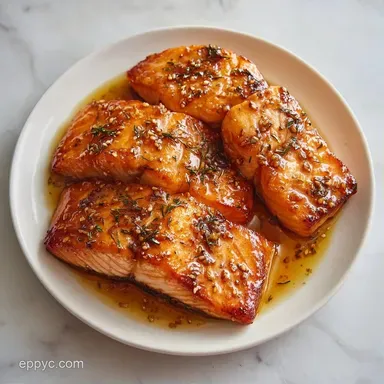
Quick Honey Glazed Salmon: Sticky and Caramelized
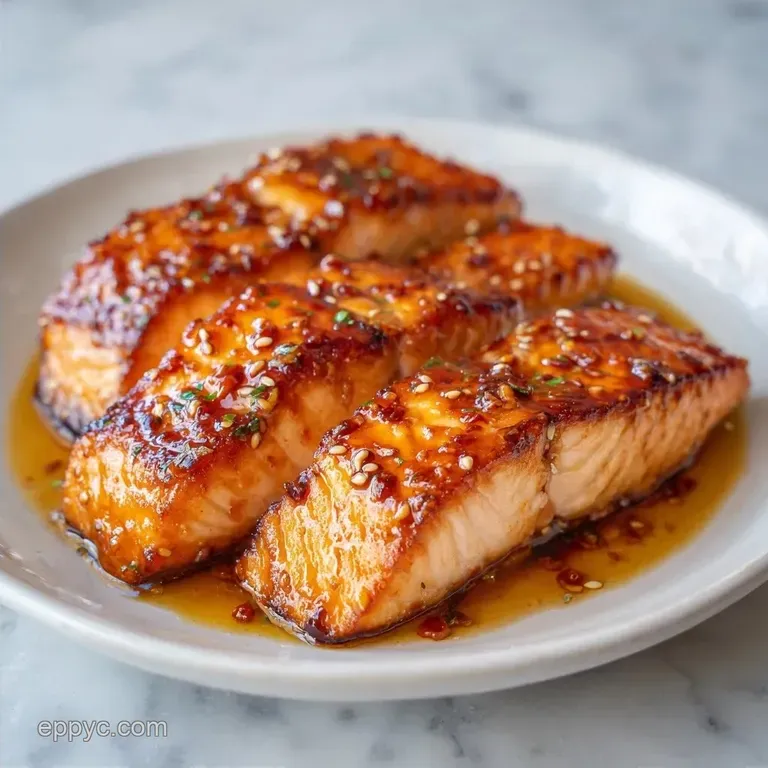
- Time: 10 min active + 10 min cooking
- Flavor/Texture Hook: Velvety, sticky glaze with a crisp, salty skin
- Perfect for: Stressful weeknight dinners or a fancy date night on a budget
- Quick Honey Glazed Salmon
- Why the Glaze Sticks
- The Flavor Building Blocks
- Essential Gear List
- Step by Step Cooking
- Fixing Common Salmon Mistakes
- Troubleshooting Common Issues
- Ways to Switch Flavors
- Scaling Your Portions
- Salmon Cooking Truths
- Storage and Waste Tips
- The Best Side Pairings
- High in Sodium
- Recipe FAQs
- 📝 Recipe Card
Quick Honey Glazed Salmon
That sharp, salty sizzle when the salmon hits the hot oil is the best part. I remember the first time I tried this, I was starving and just threw everything in the pan at once. The honey burnt in seconds, leaving me with a bitter, black crust and raw fish. It was a disaster.
But after figuring out the timing, I realized the secret is all in the order of operations.
You want a over high heat sear first, then a gentle reduction of the sauce. This method gives you that restaurant style gloss without needing a fancy torch or hours of prep. It's a straightforward process that feels a bit like magic when the sauce bubbles down into a thick syrup.
The result is a piece of fish that's tender on the inside and has a shatter crisp exterior. If you've been scared of overcooking salmon, this Quick Honey Glazed Salmon is the way to get comfortable. We're going to use a few smart tricks to make sure the fish stays juicy while the glaze gets thick and tacky.
Why the Glaze Sticks
Sugar Caramelization: Honey contains fructose and glucose which brown quickly at high heat, creating a sticky film that grips the protein.
Fat Emulsion: The butter mixed with lemon juice and soy sauce creates a temporary emulsion, ensuring the sauce coats the fillets instead of sliding off.
Acid Balance: Lemon juice cuts through the heavy sweetness of the honey, preventing the glaze from tasting like candy and helping the flavors penetrate the fish.
Protein Searing: A hard sear on the flesh side creates a textured surface that gives the glaze more "hooks" to hold onto.
| Feature | Fresh Squeezed Method | Shortcut Version | Impact |
|---|---|---|---|
| Lemon | Fresh Lemon Juice | Bottled Juice | Fresh is zingier; bottled is more consistent |
| Garlic | Fresh Minced | Garlic Powder | Fresh adds a nutty aroma; powder is milder |
| Honey | Raw Honey | Maple Syrup | Maple is woodier; honey is more floral |
The Flavor Building Blocks
The magic here isn't in expensive ingredients, but in how they interact. We're using budget friendly staples that punch way above their weight class.
| Ingredient | Science Role | Pro Secret |
|---|---|---|
| Honey | Thickening Agent | Use a runny honey for faster blending |
| Soy Sauce | Umami & Salt | Low sodium prevents the glaze from becoming too salty |
| Lemon Juice | pH Balancer | Add it at the end to keep the brightness |
| Unsalted Butter | Gloss & Body | Cold butter helps the sauce emulsify better |
Essential Gear List
You don't need a professional kitchen for this. A decent non stick skillet or a cast iron pan is the only real requirement. Cast iron holds heat better, which means your sear will be more consistent across all four fillets.
I usually use a silicone whisk or a spoon for the basting part. If you have a stainless steel pan, just be extra careful with the oil temperature so the fish doesn't stick. A fish spatula is also a lifesaver here since salmon fillets can be fragile when they're flipping.
Step by step Cooking
- Pat the salmon fillets bone dry with paper towels. Note: Moisture on the surface creates steam, which prevents that golden crust.
- Season both sides generously with 1/2 tsp salt and 1/4 tsp black pepper.
- Heat 1 tbsp olive oil in a large non stick or cast iron skillet over medium high heat until it shimmers.
- Place fillets skin side up in the skillet. Sear for 3–5 minutes without moving them until a golden brown crust forms.
- Flip the fillets and cook for another 2 minutes on the skin side.
- Reduce heat to medium. Push the salmon to the sides of the pan and add 1 tbsp unsalted butter and 3 cloves minced garlic to the center.
- Once the garlic is fragrant (about 30 seconds), whisk in 1/3 cup honey, 2 tbsp soy sauce, and 1 tbsp fresh lemon juice.
- As the sauce bubbles and thickens, continuously baste the salmon with the glaze for 2–3 minutes.
- Remove from heat once the sauce has reduced by one third and the salmon reaches an internal temperature of 145°F (63°C).
Fixing Common Salmon Mistakes
One of the biggest issues people have with this Quick Honey Glazed Salmon is the sauce burning. Because honey has so much sugar, it can go from "sticky" to "burnt" in about ten seconds. If you see the sauce turning a very dark brown or smelling like toasted marshmallows, pull the pan off the heat immediately.
Another common struggle is the "white stuff" (albumin) leaking out of the fish. This is just protein pushing out because the fish is cooking too fast or getting too hot. It's harmless, but for a cleaner look, don't overcook the fillets.
Troubleshooting Common Issues
| Issue | Solution |
|---|---|
| Why Your Salmon Stuck | If your fish is clinging to the pan, your oil wasn't hot enough. You need to hear that aggressive sizzle the moment the fish touches the metal. |
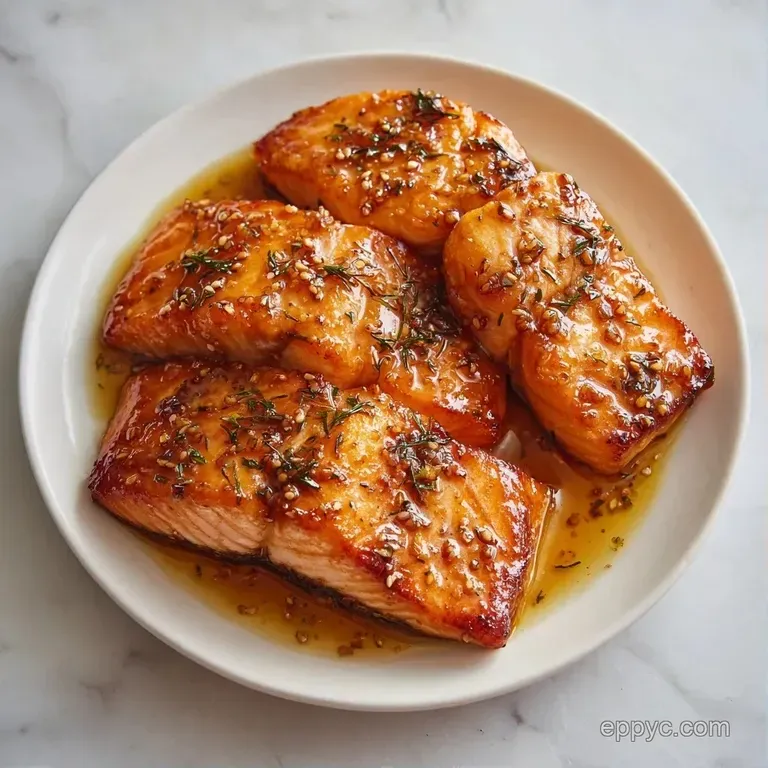
| Why Your Glaze is Runny | A runny glaze usually means you didn't reduce the sauce long enough. You want to see large, slow popping bubbles. This indicates the water has evaporated and the sugars are concentrating. |
| Why Your Fish is Dry | Overcooking is the enemy. If you cook the salmon for 10 minutes on each side, you'll have salmon jerky. Use a thermometer to hit exactly 145°F. |
Checklist for Success:
- ✓ Fillets are completely dry before oil hits the pan.
- ✓ Garlic is sautéed for only 30 seconds to avoid bitterness.
- ✓ Sauce is basted continuously to build layers of flavor.
- ✓ Internal temperature is checked with a digital probe.
Ways to Switch Flavors
If you want to move away from the classic profile, you can easily tweak this. For a bit of heat, I highly recommend using a Hot Honey Recipe instead of regular honey. It adds a spicy kick that cuts through the fat of the salmon beautifully.
If you're in the mood for something saltier, you can lean more into the soy side of things. I've made a Soy Sauce Glazed Salmon that swaps some of the honey for more aromatics, giving it a deeper, more savory vibe.
For those who prefer the oven, you can turn this into a Baked Honey Glazed Salmon. Just sear the fillets for 2 minutes per side, pour the sauce over them in a baking dish, and bake at 400°F (200°C) for 8-12 minutes.
If you have a Honey Glazed Salmon Air Fryer, set it to 380°F (190°C) and cook for 7-10 minutes, basting halfway through.
Scaling Your Portions
When you're cooking for a crowd, don't just double everything in one pan. If you crowd the skillet, the temperature drops, and instead of searing, your salmon will poach in its own juices. This ruins the crust.
Cooking for 2 (Half Batch): Use a smaller pan to keep the sauce concentrated. Reduce the cooking time by about 20% because the pan will heat up and cool down faster. Beat one egg if you're doing a breaded version, but for this glaze, just halve the measurements exactly.
Cooking for 8 (Double Batch): Work in two batches. Sear four fillets, remove them to a plate, and then do the next four. Once all are seared, add them all back in for the final glazing step. Only increase salt and spices to 1.5x; otherwise, it can become overwhelming.
Reduce the total liquid by about 10% so you don't end up with a soup instead of a glaze.
Salmon Cooking Truths
A lot of people believe that searing meat "seals in the juices." This is actually a myth. Moisture loss happens throughout the cooking process regardless of how you start. Searing is about flavor creating those brown, savory bits that make the Quick Honey Glazed Salmon taste complex.
Another common misconception is that you should cook salmon until it's opaque all the way through. In reality, salmon is best when it's slightly translucent in the very center. This keeps the texture velvety rather than chalky.
Storage and Waste Tips
Keep your leftovers in an airtight container in the fridge for up to 3 days. When reheating, avoid the microwave if you can. The microwave tends to "pop" the fish and make it rubbery. Instead, put it in a pan over low heat with a tiny splash of water or butter to loosen the glaze.
This dish doesn't freeze well because the honey glaze can separate and the texture of the fish becomes grainy. It's best enjoyed fresh.
For zero waste, don't throw away the salmon skins if you trimmed them. Toss them in a pan with a bit of salt and oil until they're shatter crispy. They make great snacks or a garnish for salads.
If you have leftover glaze in the pan, whisk in a tablespoon of water and toss in some steamed broccoli or asparagus to use up every bit of flavor.
The Best Side Pairings
Because this Quick Honey Glazed Salmon is quite rich and sweet, you need sides that bring acidity or freshness to balance the plate.
A simple bed of jasmine rice is the classic choice because it soaks up the extra glaze. For vegetables, I love something with a snap. Roasted broccoli is a great partner, as the charred florets mimic the caramelization of the honey.
If you want something lighter, a cucumber salad with rice vinegar and sesame oil works wonders. The cool, crisp texture of the cucumber resets your palate between bites of the sticky fish. You could also serve it with a side of sautéed spinach or garlicky kale to add some earthy bitterness to the meal.
High in Sodium
875 mg 875 mg of sodium per serving (38% 38% of daily value)
The American Heart Association recommends a limit of 2,300mg of sodium per day for most adults to maintain heart health.
Tips to Reduce Sodium
-
Omit Added Salt-25%
Skip the 1/2 tsp of salt entirely. The soy sauce and the natural sodium in salmon provide sufficient seasoning.
-
Swap Soy Sauce-20%
Replace regular soy sauce with low-sodium soy sauce or coconut aminos to significantly cut the salt content.
-
Boost Lemon Juice-10%
Increase the fresh lemon juice to 2 tablespoons. The acidity mimics saltiness and enhances the flavor of the salmon.
-
Increase Fresh Garlic-10%
Add an extra clove of minced garlic to build a stronger flavor profile, reducing the need for added salt.
-
Add Fresh Herbs
Garnish the finished dish with fresh dill or parsley for an aromatic, fresh taste without adding any sodium.
Recipe FAQs
What is a good honey glaze for salmon?
A mixture of honey, soy sauce, lemon juice, garlic, and butter. This combination balances sweetness, saltiness, and acidity to create a rich, professional finish.
Do you add honey to salmon before or after cooking?
Add it toward the end of the cooking process. Adding honey too early causes the sugars to burn before the fish reaches an internal temperature of 145°F.
How to make a quick honey sauce?
Whisk honey, soy sauce, and lemon juice into melted butter and sautéed garlic. Simmer the mixture in the pan for 2 3 minutes until it reduces by one-third and thickens.
Is it true that you should cook salmon for 10 minutes on each side to ensure it is fully cooked?
No, this is a common misconception. Cooking for that long results in dry, rubbery fish; instead, sear for 3 5 minutes skin side up and 2 minutes on the skin side.
What are some good salmon recipes without lemon?
Substitute the lemon juice with a splash of apple cider vinegar or extra soy sauce. If you enjoy this sweet savory balance, see how we use a similar flavor profile in our brown sugar chicken.
How to prevent the salmon from sticking to the pan?
Heat olive oil over medium high heat until it shimmers. Ensure the fillets are patted bone dry with paper towels before adding them to the skillet to ensure a clean release.
What is the best way to reheat leftover honey glazed salmon?
Warm it in a pan over low heat with a splash of water or butter. Avoid the microwave, as it tends to make the fish rubbery and causes the glaze to pop.
Quick Honey Glazed Salmon