Velvety Baked Mac and Cheese Recipe
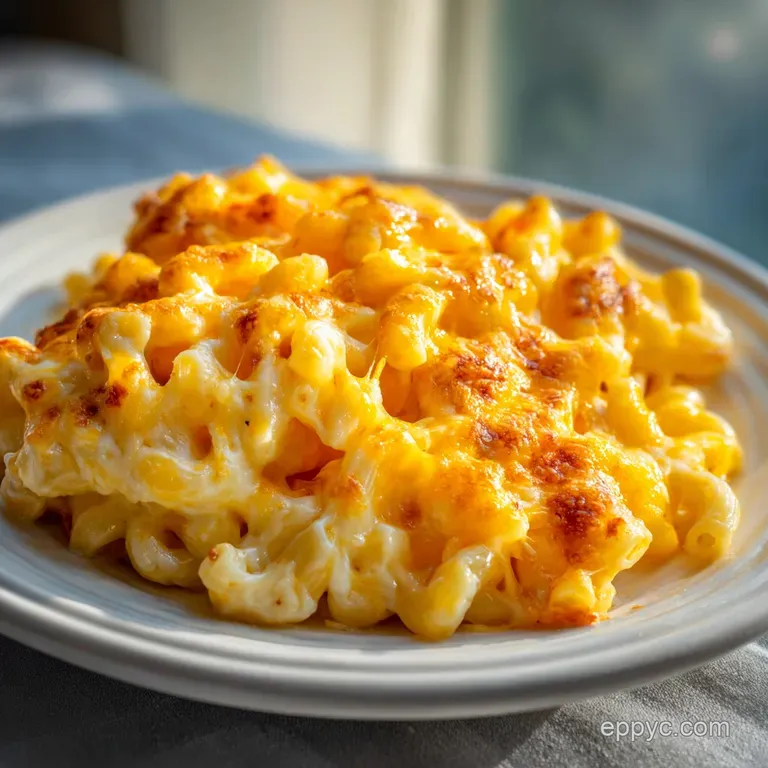
- Time: Active 20 minutes, Passive 30 minutes, Total 50 minutes
- Flavor/Texture Hook: Velvety cheese sauce with a shattering Panko topping
- Perfect for: budget-friendly family dinners or weekend meal prep
- Creating the Ultimate Baked Mac and Cheese
- Why This Budget Recipe Always Wins
- Ingredient Component Analysis
- Affordable Ingredients and Smart Substitutions
- Essential Tools for Every Kitchen
- Detailed Steps for Golden Perfection
- Solving Common Cooking Problems Fast
- Tasty Variations for Any Occasion
- Safe Storage and Reheating Guidelines
- Best Ways to Serve This
- Myths About This Dish
- High in Sodium
- Recipe FAQs
- 📝 Recipe Card
Creating the Ultimate Baked Mac and Cheese
I remember standing in my tiny kitchen years ago, staring at a pot of what was supposed to be a "gourmet" dinner. Instead, I had a greasy, separated mess of noodles and expensive cheese.
I had spent a fortune on aged cheddar only to watch it turn into oily clumps because I did not understand the technology of a proper emulsion. It was heartbreaking, but it was also the moment I decided to stop guessing and start learning how the chemistry of cheese actually behaves.
We have all been there, right? You want that golden, bubbling tray that smells like a warm hug, but you end up with something dry or grainy. This version of the Baked Mac and Cheese is the result of all my failures. It is designed to be budget friendly without sacrificing that high end, velvety feel.
We are going to use smart techniques to empower you in the kitchen, turning basic pantry staples into something truly heartfelt and satisfying.
This is more than just a quick meal; it is a reliable system for comfort. Whether you are looking for an The Homemade Baked recipe that actually works or just want to master the basics, I have got you covered. We are going to focus on the ratio of liquid to pasta, ensuring every bite is as creamy as the first, even after it comes out of the oven at 180°C.
Why This Budget Recipe Always Wins
- Starch Stabilization: Coating the pasta in a flour based roux prevents the cheese fats from separating into an oily mess.
- Residual Hydration: Using 4 cups of milk for 1 lb of pasta ensures the noodles absorb flavor without soaking the dish dry.
- The Cold Start Emulsion: Adding room temperature milk to a hot roux prevents lumps from forming, creating a smoother sauce base.
- Dual Stage Cooking: Par boiling the pasta ensures it reaches the ideal texture only after the final bake, avoiding mushiness.
| Pasta Thickness | Baking Temp | Oven Time | Visual Cue |
|---|---|---|---|
| Large Elbows | 180°C (350°F) | 30 minutes | Bubbling edges and golden top |
| Cavatappi | 180°C (350°F) | 28 minutes | Sauce thickens and clings to spirals |
| Penne Rigate | 180°C (350°F) | 32 minutes | Top turns deep mahogany brown |
Choosing the right pasta shape is a digital age shortcut to success. Cavatappi is my favorite because the ridges act like tiny technology designed to trap the maximum amount of cheese sauce in every single bite. If you use a thinner pasta, you'll need to watch the clock closely to prevent overcooking.
Ingredient Component Analysis
| Ingredient | Science Role | Pro Secret |
|---|---|---|
| Whole Milk (4 cups) | Liquid base for the emulsion | Use room temperature to avoid shocking the roux |
| Sharp Cheddar (3 cups) | Primary flavor and fat carrier | Grate it yourself to avoid anti clumping starches |
| All Purpose Flour (0.5 cup) | Thickening agent for the Mornay | Cook for 2 minutes to remove the raw grain taste |
| Mustard Powder (1 tsp) | Natural emulsifier and flavor enhancer | It cuts through the fat and brightens the cheese |
Each of these elements plays a specific role in the architecture of the dish. The mustard powder, for instance, contains lecithin, which helps keep the cheese and milk from separating during the high heat of the oven.
Affordable Ingredients and Smart Substitutions
- 1 lb Cavatappi or Large Elbow Macaroni: Why this? The shape holds onto the heavy sauce effectively.
- 1 tbsp Sea Salt: For the pasta water.
- 0.5 cup Unsalted Butter: The fat base for our roux.
- 0.5 cup All Purpose Flour: The binder for the sauce.
- 4 cups Whole Milk: Why this? Provides the necessary fat for a silky texture.
- 1 tsp Mustard Powder: For tang and stability.
- 0.5 tsp Garlic Powder: For a savory backbone.
- 0.5 tsp Smoked Paprika: Adds a hint of woodsy depth.
- 0.25 tsp Nutmeg: Why this? Traditional secret for enhancing dairy flavors.
- 0.5 tsp Fine Sea Salt: To season the sauce.
- 0.25 tsp Black Pepper: For a subtle bite.
- 3 cups Sharp Cheddar: Why this? Provides the classic "mac" flavor profile.
- 1.5 cups Gruyère or Fontina: For the ultimate cheese pull.
- 0.5 cup Parmesan: Adds a salty, nutty finish.
- 1.5 cups Panko breadcrumbs: For the signature crunch.
- 3 tbsp Unsalted Butter (melted): To toast the crumbs.
- 1 tbsp Fresh Parsley: For a pop of color.
| Original Ingredient | Substitute | Why It Works |
|---|---|---|
| Gruyère (1.5 cups) | Extra Sharp White Cheddar | High fat content. Note: Less melt factor but more bite. |
| Whole Milk (4 cups) | 2% Milk + 2 tbsp Butter | Mimics the fat density of whole milk effectively. |
| Panko (1.5 cups) | Crushed Ritz Crackers | Adds a buttery, salty crunch that is very budget friendly. |
Using crackers instead of Panko is a classic move when you want to save a few pennies but still get that shattering texture. Just make sure to reduce the added salt in the topping if your crackers are already heavily salted.
Essential Tools for Every Kitchen
You don't need fancy technology to make this work, but a few basics help. A heavy bottomed saucepan is vital for the sauce; it distributes heat evenly so you don't burn the flour. I also recommend a box grater. Honestly, don't even bother with pre shredded cheese.
It is coated in cellulose (wood pulp, basically) which prevents it from melting into that velvety puddle we are looking for.
Mastering the Emulsion: The Science of Roux
The secret to this Baked Mac and Cheese is the roux. When you whisk flour into melted butter, you are coating the starch granules in fat. When the milk hits those granules, they swell up without clumping. This creates a stable network that holds the cheese in suspension.
Without it, the cheese would just melt into a puddle of oil at the bottom of your baking dish.
Detailed Steps for Golden Perfection
- Boil the water. Bring a large pot of water to a boil with 1 tbsp sea salt. Note: Salted water is the only chance to season the pasta itself.
- Par boil the pasta. Cook the 1 lb Cavatappi for 2 minutes less than the box instructions. Cook until slightly firm to the bite.
- Melt the butter. In a large saucepan over medium heat, melt 0.5 cup unsalted butter until it starts to sizzle.
- Create the roux. Whisk in 0.5 cup all purpose flour. Cook for 2 minutes until it smells slightly nutty.
- Add the milk. Slowly pour in 4 cups room temperature milk while whisking constantly. Whisk until the sauce is thick and glossy.
- Season the base. Stir in mustard powder, garlic powder, smoked paprika, nutmeg, salt, and pepper. Note: Spices bloom better in the warm sauce.
- Melting the cheese. Remove from heat and fold in 2 cups of Cheddar and all the Gruyère. Stir until the cheese is completely melted and velvety.
- Combine. Toss the par boiled pasta into the cheese sauce. Ensure every noodle is fully coated.
- Assemble the dish. Pour half the mixture into a greased 9x13 dish, sprinkle with remaining 1 cup Cheddar, then add the rest of the pasta.
- Add the crunch. Mix 1.5 cups Panko with 3 tbsp melted butter and Parmesan. Sprinkle over the top until the surface is covered.
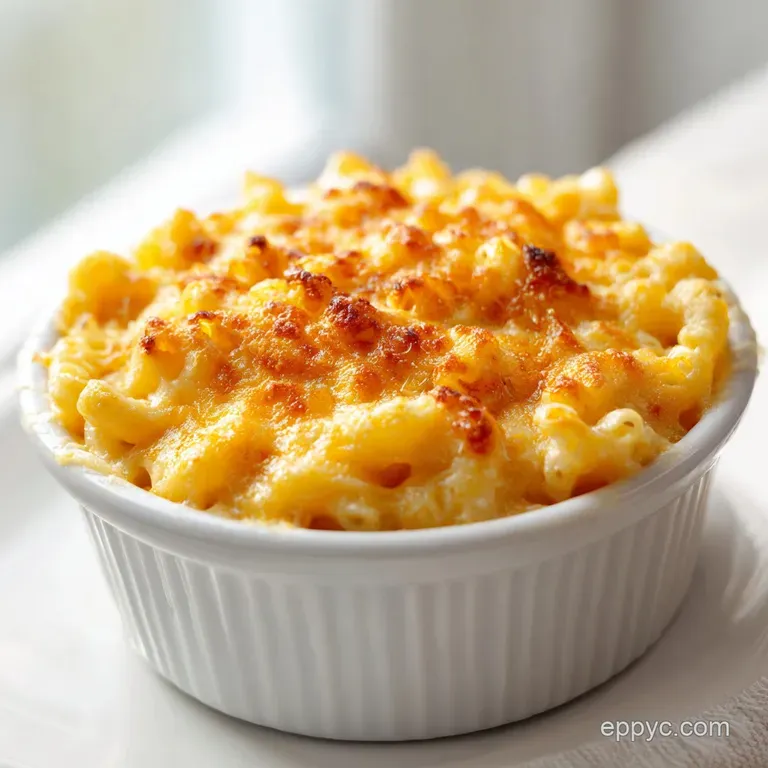
- Bake. Place in the oven at 180°C for 30 minutes. Bake until the top is golden and the sauce is bubbling.
Chef's Tip: If the sauce looks too thick before you add the cheese, splash in an extra 1/4 cup of milk. It should look like a thick soup before the pasta goes in, as the noodles will continue to absorb liquid while baking.
Solving Common Cooking Problems Fast
Why Your Sauce Is Gritty
This usually happens because the heat was too high when the cheese was added. Cheese is a delicate emulsion of fat and protein. If it gets too hot (above 75°C), the proteins tighten up and squeeze out the fat, leaving you with grainy clumps.
Always remove the pot from the burner before stirring in your grated cheese to keep things smooth.
Stopping the Sauce from Breaking
If you notice oil beads forming on the surface, your emulsion is breaking. This is common with How to Bake recipe versions that use too much fat and not enough binder. You can often save a breaking sauce by whisking in a tablespoon of cold milk very vigorously. The cold liquid helps bring the temperature down and re stabilize the bond between the fat and the water in the milk.
| Problem | Root Cause | Solution |
|---|---|---|
| Greasy surface | Cheese overheated or "broken" | Add a splash of cold milk and whisk off heat. |
| Mushy pasta | Overboiled before baking | Reduce boiling time by 3 minutes next time. |
| Dry texture | Not enough sauce/too much pasta | Stick to the 4 cup milk to 1 lb pasta ratio. |
Checklist for a perfect bake:
- ✓ Grate cheese from a block for better melting.
- ✓ Use room temperature milk to prevent roux lumps.
- ✓ Let the dish sit for 5 minutes after baking to set the sauce.
- ✓ Ensure the oven is fully preheated to 180°C before the dish goes in.
Tasty Variations for Any Occasion
If you want to try something different, like a Queens Mac Homemade recipe, you can easily adapt this base. The technology of the Mornay sauce remains the same, but you can swap out the flavor profile. For a BBQ chicken version, simply fold in 2 cups of shredded rotisserie chicken and a drizzle of your favorite smoky sauce before topping with the Panko.
Creating BBQ Chicken Baked Mac and Cheese
Fold in cooked chicken and a swirl of BBQ sauce. Use smoked gouda instead of Gruyère to emphasize the outdoor grill flavor. This is a great way to use up leftover Sunday roast chicken.
Designing Baked Mac and Cheese Bites
Grease a muffin tin and press the mixture into the cups. Increase the Parmesan in the topping for a sturdier crust. Bake for only 20 minutes at 180°C until they are set and easy to pop out. These are perfect for game day or kid friendly snacking.
Safe Storage and Reheating Guidelines
You can keep this Baked Mac and Cheese in the fridge for up to 4 days. Make sure it is in an airtight container to prevent the pasta from absorbing fridge odors. For long term storage, you can freeze individual portions for up to 3 months. When you are ready to eat, don't just microwave it on high.
That will make the cheese oily.
To reheat, add a tiny splash of milk to the dish and cover it with foil. Bake at 150°C for about 15 minutes. This gently steams the pasta and loosens the sauce without breaking the emulsion.
For zero waste, take any leftover crunchy topping that has gone soft and fry it in a pan with a little butter to make "mac and cheese croutons" for a salad.
Best Ways to Serve This
This dish is a heavyweight, so I usually pair it with something bright and acidic. A simple green salad with a lemon vinaigrette works wonders to cut through the richness of the Gruyère and Cheddar.
If you are feeling extra, a side of roasted broccoli with a squeeze of lime provides a nice charred contrast to the soft, velvety pasta.
Scaling this recipe is easy. If you are cooking for 2, just halve everything and use an 8x8 inch pan. If you are doubling it for a crowd, keep the spices at 1.5x the original amount so they don't overpower the cheese. Always work in batches when making the roux for a double recipe to ensure you don't get lumps.
| Goal | Action | Result |
|---|---|---|
| Extra Creamy | Add 4 oz of Cream Cheese | Velvety, tangy finish. |
| Budget Friendly | Use 100% Sharp Cheddar | Strong flavor, saves $5-7. |
| Spicy Kick | Add 1 tsp Cayenne Pepper | Cuts through the richness. |
Myths About This Dish
"You must use expensive cheese for good flavor." This is simply not true. While Gruyère is lovely, a good quality sharp supermarket cheddar provides the bulk of the flavor. The key is the technique, not the price tag. The roux and the milk ratio are what create the luxury, not just the ingredients.
"Searing the breadcrumbs in a pan first is unnecessary." Actually, if you don't toss them in butter, they often stay dry and floury in the oven. The fat helps them conduct heat, leading to that shattering, golden crust we all crave.
It's a small step that makes a massive digital to analog difference in the final texture.

High in Sodium
985 mg mg of sodium per serving (43% % of daily value)
The American Heart Association recommends limiting sodium intake to about 2,300mg per day for overall cardiovascular health.
Tips to Reduce Sodium in Your Mac & Cheese
-
Reduce Parmesan-15%
Parmesan cheese is a significant source of sodium. Reduce the amount of Parmesan by half, using only 0.25 cup, to decrease sodium content. Use a strongly flavored cheese in smaller quantities to maintain flavor.
-
Omit Added Salt-12%
This recipe includes sea salt added to the pasta water and to the sauce. Omit the 0.5 tsp of fine sea salt added to the cheese sauce. You can also consider reducing or omitting the sea salt in the pasta water, especially if sensitive to sodium.
-
Low-Sodium Cheese Blend-10%
Consider swapping out half of the sharp cheddar (1.5 cups) for a lower sodium cheddar cheese. Look for labels with less than 50mg sodium per serving.
-
DIY Breadcrumbs-8%
Panko breadcrumbs can sometimes be high in sodium. Make your own by toasting day-old bread and pulsing it in a food processor. Season lightly or not at all.
-
Enhance with Herbs & Spices
Experiment with fresh herbs like chives or thyme, or spice blends such as Italian seasoning. These will enhance flavor without adding any sodium.
Recipe FAQs
How long should you cook mac and cheese in the oven?
30 minutes is standard at 180°C (350°F). Since the pasta is par-boiled, this time is primarily for setting the sauce and developing the golden crust. Watch for bubbling edges and a visibly set topping.
What's the secret to good mac & cheese?
The secret is a stable Mornay sauce base. You must create a smooth, lump free roux and remove the sauce from the heat before incorporating the cheese to prevent separation. Mastering this emulsion is key to velvety results; the same stable base principle applies when you are trying to achieve perfect texture in something like our Cheesy Hashbrown Casserole Recipe.
What are the three best cheeses for baked mac and cheese?
Sharp Cheddar, Gruyère, and Parmesan are the top trio. Cheddar provides the foundational, tangy flavor, Gruyère melts beautifully and adds nuttiness, and Parmesan delivers a salty, dry finish to the topping.
Is it better to bake or broil mac n cheese?
Bake it initially, then use a brief broil only if necessary. Baking sets the internal structure of the sauce over 30 minutes, whereas broiling only browns the top quickly, risking oil separation underneath. Use the broiler for a maximum of 1 minute to crisp the final peaks of the topping.
How to ensure the baked mac and cheese doesn't dry out?
Use a higher liquid ratio than usual before baking. Aim for a sauce consistency that seems slightly looser than you want when you mix it with the pasta. The pasta continues to absorb liquid in the oven, so this residual moisture prevents a dry result later.
What temperature should the oven be for the bake?
Set the oven to 180°C (350°F). This moderate temperature allows the heat to penetrate the dish slowly enough to cook the pasta through without forcing the cheese emulsion to break apart too aggressively.
Why does my cheese separate and look oily after baking?
This is almost always due to overheating the cheese. You must remove the sauce from the direct heat before stirring in the grated cheese. If the sauce boils with the cheese already mixed in, the proteins tighten and force the fat out. This temperature control is crucial, just as it is when you are learning How to Make recipe and need the breading to adhere properly.
Velvety Baked Mac And Cheese

Ingredients:
Instructions:
Nutrition Facts:
| Calories | 777 kcal |
|---|---|
| Protein | 30.3 g |
| Fat | 42.1 g |
| Carbs | 62.4 g |
| Fiber | 2.2 g |
| Sugar | 6.1 g |
| Sodium | 985 mg |
