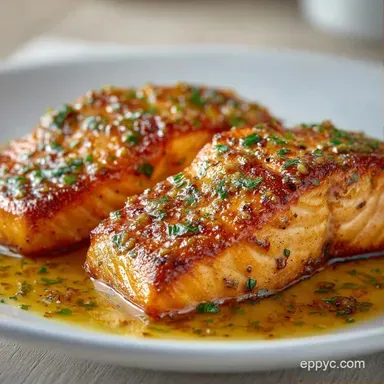
Garlic Glazed Salmon Filet: Shatter Crisp Crust
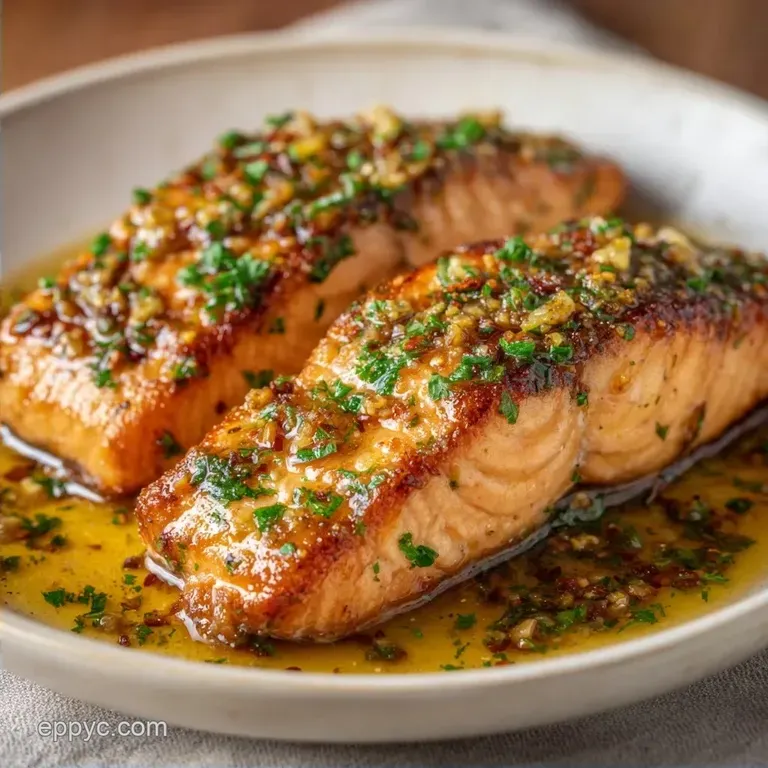
- Time: 5 min active + 10 min cook
- Flavor/Texture Hook: Velvety, sticky glaze with a shatter crisp crust
- Perfect for: Busy weeknight dinners or a fast date night meal
- Perfect Garlic Glazed Salmon Filet
- What Makes This Dish Work
- Recipe Specs and Details
- The Essential Ingredient List
- Required Kitchen Gear
- Step by Step Cooking Guide
- Fixing Common Cooking Mistakes
- Different Flavor Twists
- Storing and Reducing Waste
- The Best Side Pairings
- High in Sodium
- Recipe FAQs
- 📝 Recipe Card
Perfect Garlic Glazed Salmon Filet
That first sizzle when the salmon hits the hot oil is the best part. I remember one Tuesday night when I was absolutely drained from work, starving, and tempted to just order another bland takeout bowl. I had two fillets in the fridge and a half used jar of honey, so I decided to just wing it.
The smell of the garlic hitting the melted butter filled the whole kitchen in seconds, and suddenly, dinner felt like an event rather than a chore.
You don't need a fancy kitchen or a degree in culinary arts to get this right. The beauty of this Garlic Glazed Salmon Filet is that it uses basic pantry staples to create a flavor that feels complex. You get that sweet, sticky coating that clings to the fish, while the inside stays tender and flaky.
Expect a process that moves quickly. Once the fish is in the pan, things happen fast. You'll see the edges turning golden and the glaze thickening into a glossy syrup. It's a straightforward method that delivers a high end result without the stress of a complicated recipe.
What Makes This Dish Work
- Surface Moisture Control: Patting the fish dry prevents it from steaming. This ensures you get a brown crust instead of a grey, rubbery exterior.
- The Butter Bridge: Butter doesn't just add flavor, it acts as a carrier for the garlic and helps the honey and soy sauce bond into a velvety glaze.
- Acid Balance: The lemon juice cuts through the heavy sugars of the honey and the richness of the salmon fats, keeping the dish from feeling cloying.
- Sugar Caramelization: Honey contains fructose and glucose which brown quickly. This creates that sticky, lacquer like finish on the fillets.
| Method | Time | Texture | Best For |
|---|---|---|---|
| Searing (This Recipe) | 15 mins | Crispy crust, velvety glaze | Fast weeknights |
| Oven Baking | 20 mins | Uniformly soft, moist | Meal prep batches |
| Poaching | 12 mins | Very tender, clean taste | low-fat diets |
Recipe Specs and Details
When you're working with salmon, the biggest risk is overcooking. According to USDA FoodData, salmon is rich in omega-3 fatty acids, which can break down and make the fish dry if you leave it on the heat too long. You want to pull the fish when it's just barely opaque in the center.
The glaze is a simple emulsion. By adding the liquids to the melted butter and garlic, you're creating a sauce that is thick enough to coat a spoon. This is what gives the Garlic Glazed Salmon Filet its signature look.
Right then, let's look at the specific components. We're aiming for a over high heat start and a over medium heat finish. This prevents the honey from burning while ensuring the fish is cooked through.
| Ingredient | Science Role | Pro Secret |
|---|---|---|
| Honey | Thickener & Sweetener | Heat slowly to avoid bitter burnt sugar |
| Soy Sauce | Umami & Salt | Use low sodium to control the saltiness |
| Garlic | Aromatic Base | Mince finely for even distribution |
| Lemon Juice | pH Balancer | Add at the end to keep the brightness |
The Essential Ingredient List
For this recipe, I prefer using center cut fillets for consistency. If your pieces are different thicknesses, the thinner ones will finish faster, so keep an eye on them.
- 4 salmon fillets, 6 oz (170g) each Why this? Consistent size ensures even cooking
- 1/2 tsp salt Why this? Basic seasoning for protein
- 1/4 tsp black pepper Why this? Adds a subtle woody heat
- 1 tbsp olive oil Why this? High smoke point for searing
- 3 tbsp unsalted butter Why this? Adds richness and emulsifies glaze
- 4 cloves garlic, minced Why this? Fresh garlic has a sharper punch
- 1/4 cup honey Why this? Creates the sticky, glossy finish
- 2 tbsp soy sauce Why this? Adds depth and salt
- 1 tbsp fresh lemon juice Why this? Brightens the overall flavor
Substitution Options
| Original Ingredient | Substitute | Why It Works |
|---|---|---|
| Honey | Maple Syrup | Similar viscosity. Note: Adds a more earthy, autumnal flavor |
| Soy Sauce | Tamari | gluten-free option. Note: Slightly richer, saltier taste |
| Unsalted Butter | Coconut Oil | dairy-free. Note: Adds a slight coconut aroma |
| Lemon Juice | Lime Juice | Similar acidity. Note: Gives it a more Zesty, Thai inspired vibe |
Trust me on this: don't use honey that has crystallized into a hard block. If it has, warm it up slightly according to King Arthur Baking guidelines to make it pourable again. Otherwise, you'll end up with lumps of sugar in your pan.
Required Kitchen Gear
You don't need a mountain of tools for this. In fact, the fewer things you use, the easier the cleanup. I suggest a large stainless steel or cast iron skillet. Non stick works, but you won't get as good of a crust.
A good pair of tongs is a must. You need to be able to flip the fillets without breaking the delicate flesh. Also, have a spoon ready for the basting step, as that's where the magic happens.
Let's crack on with the process. Make sure your salmon is at room temperature for about 10 minutes before cooking. If it's ice cold from the fridge, the outside will burn before the middle is actually done.
Step by step Cooking Guide
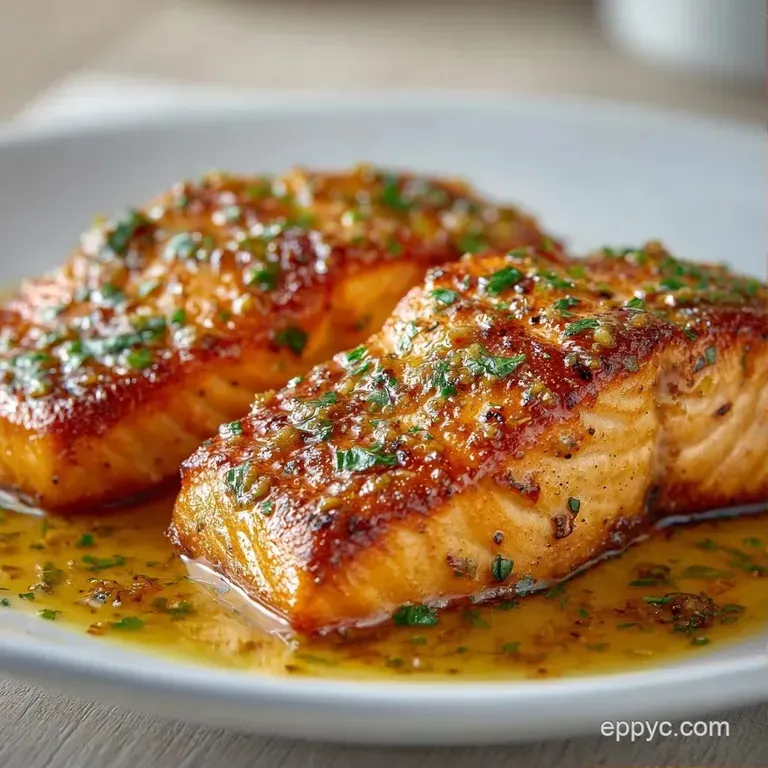
- Pat the salmon fillets completely dry using paper towels. Note: Moisture creates steam, which stops the crust from forming.
- Season both sides evenly with 1/2 tsp salt and 1/4 tsp black pepper.
- Heat 1 tbsp olive oil in a large skillet over medium high heat until shimmering.
- Place salmon in the pan, skin side down, and press down lightly. Cook for 3-5 minutes until a golden brown crust forms.
- Flip the fillets and cook for another 2 minutes.
- Lower the heat to medium. Push the fillets to the sides of the pan and add 3 tbsp butter to the center.
- Stir in 4 cloves minced garlic for 30 seconds until fragrant but not brown.
- Pour in 1/4 cup honey, 2 tbsp soy sauce, and 1 tbsp lemon juice. Let it bubble for 2-3 minutes.
- Using a spoon, continuously pour the thickening glaze over the Garlic Glazed Salmon Filet.
- Remove from heat once the sauce is velvety and the salmon is cooked to your liking.
Chef's Note: If the sauce starts to thicken too quickly and looks like it's about to burn, just add a teaspoon of water to loosen it up.
Fixing Common Cooking Mistakes
Cooking fish can be nerve wracking because the window between "perfect" and "overdone" is tiny. Most people panic and flip the fish too early, which leads to the fillet sticking to the pan.
Why Your Salmon Sticks
If the fish isn't releasing from the pan, it usually means the pan wasn't hot enough or the fish wasn't dry. Wait for the crust to form naturally; the fish will "release" itself once it's seared.
Why Your Garlic Turns Bitter
Garlic burns in a heartbeat. If you add it to a screaming hot pan without the butter to buffer the temperature, it will turn black and bitter. Always lower the heat first.
Avoiding Overcooked Fish
Salmon continues to cook for a few minutes after you take it off the heat. This is called carryover cooking. Pull your fillets when they are slightly under your target doneness.
| Problem | Root Cause | Solution |
|---|---|---|
| Glaze is too thin | Not enough reduction time | Bubble for another 60 seconds |
| Burnt honey taste | Heat too high during glazing | Use medium heat for the sauce phase |
| Dry, chalky fish | Cooked too long | Use a meat thermometer (125°F/52°C) |
Common Mistakes Checklist
- ✓ Did you pat the salmon dry?
- ✓ Did you wait for the oil to shimmer before adding fish?
- ✓ Did you lower the heat before adding garlic?
- ✓ Did you baste continuously during the final 2 minutes?
- ✓ Did you let the fish rest for 3 minutes before serving?
Different Flavor Twists
Once you've nailed the basic Garlic Glazed Salmon Filet, you can start playing with the ingredients. The honey soy base is very forgiving.
If you want a bit of heat, stir in a teaspoon of Sriracha or red pepper flakes when you add the honey. This creates a spicy sweet contrast that works brilliantly with the richness of the fish.
For a more aromatic version, add a teaspoon of freshly grated ginger. The ginger adds a zingy, fresh note that cuts through the butter. If you're looking for something different, you might enjoy my Soy Sauce Glazed Salmon which uses a slightly different reduction method.
You can also swap the honey for maple syrup. This gives the dish a deeper, woodsy flavor that is especially great in the autumn. Just be aware that maple syrup has a different sugar profile, so it might brown a bit faster.
Storing and Reducing Waste
If you happen to have leftovers, store the Garlic Glazed Salmon Filet in an airtight container in the fridge for up to 2 days. To reheat, I recommend a over low heat oven or an air fryer. Microwaving salmon often makes it rubbery and gives it a strong "fishy" smell that can take over the room.
For freezing, it's better to freeze the raw fillets and the marinade separately. Once the cooked fish is frozen and thawed, the texture of the glaze changes and becomes less glossy.
To reduce waste, don't throw away any leftover glaze in the pan. You can drizzle it over steamed vegetables or even use it as a base for a quick stir fry sauce the next day. If you have salmon scraps or skin left over, fry the skin in a separate pan until it's a crisp cracker it's a great snack.
The Best Side Pairings
Because this dish is quite rich and sweet, you need sides that provide a fresh or acidic contrast. A simple steamed bok choy or roasted asparagus with a squeeze of lemon works wonders.
I love serving this with a side of fluffy jasmine rice to soak up all that extra garlic butter sauce. If you want something a bit more refreshing, my Ramen Noodle Asian Salad provides the perfect crunch and tang to balance the velvety fish.
Another great option is a simple quinoa salad with cucumber and parsley. The earthiness of the grain and the coolness of the cucumber prevent the meal from feeling too heavy.
Scaling the Recipe
Scaling Down (2 Fillets) Use 1.5 tbsp butter and half the honey and soy sauce. Use a smaller skillet to ensure the sauce doesn't evaporate too quickly. Reduce the glazing time by about 30 seconds.
Scaling Up (8 Fillets) Do not crowd the pan. Work in batches of 4 fillets. If you put 8 in one pan, the temperature will drop, and you'll end up steaming the fish instead of searing it.
Keep the salt and pepper ratios the same, but only increase the glaze ingredients by 1.5x rather than 2x, as the reduction process is more efficient in larger volumes.
Common Kitchen Myths
Myth: Searing seals in the juices. This is simply not true. Searing creates a flavorful crust on the outside, but moisture is lost through the entire surface of the meat regardless of the sear. The crust is for taste, not for "locking in" liquid.
Myth: You must cook salmon until it's opaque throughout. Actually, many chefs prefer salmon medium rare. As long as it's cooked to a safe internal temperature, a translucent center is often more tender and flavorful than a fully opaque fillet.
Myth: Frozen salmon is inferior to fresh. Most "fresh" salmon at the store was frozen on the boat anyway. As long as you thaw it slowly in the fridge and pat it dry, the difference in quality is negligible for a Garlic Glazed Salmon Filet.
High in Sodium
840 mg 840 mg of sodium per serving (37% 37% of daily value)
The American Heart Association recommends a daily limit of 2,300 mg of sodium to help manage blood pressure and heart health.
Tips to Reduce Sodium
-
Swap Soy Sauce-25%
Replace regular soy sauce with low-sodium soy sauce or coconut aminos to significantly cut the salt content of the glaze.
-
Omit Added Salt-20%
Eliminate the 1/2 tsp of added salt entirely, as the soy sauce already provides a strong savory profile.
-
Increase Acidity-10%
Double the fresh lemon juice to 2 tbsp; the acidity enhances the perception of salt, allowing you to use less.
-
Enhance with Herbs
Garnish with fresh parsley or chopped dill to add complex flavor profiles without adding any sodium.
Recipe FAQs
Is this a good recipe for beginners?
Yes, it is very beginner friendly. The total time is only 15 minutes, and using a single skillet minimizes cleanup.
Can I make this salmon without lemon juice?
Yes, you can omit it. The honey and soy sauce still provide a rich, sweet and-salty flavor profile without the acidity.
Why isn't my salmon getting a golden brown crust?
Excess moisture is the cause. Pat the fillets completely dry with paper towels before seasoning to prevent steam from blocking the sear.
How should I reheat leftover glazed salmon?
Use an oven or air fryer on low heat. Microwaving often makes the fish rubbery and creates a strong fishy smell that lingers.
How do I make the honey glaze thicken into a reduction?
Simmer the honey, soy sauce, and lemon juice for 2-3 minutes. Let the sauce bubble over medium heat until it becomes velvety before spooning it over the fish.
Is it okay to freeze the salmon after it has been glazed?
No, this is a common misconception. Freezing cooked glaze alters the texture and removes the glossy finish; freeze the raw fillets and marinade separately instead.
What is a great side pairing for this salmon?
Serve it with a light, creamy accompaniment. If you enjoyed the balance of sweet and salty here, you might appreciate the flavor profile of our homemade creme fraiche on the side.
Garlic Glazed Salmon Filet